Tactical Gear Essentials for Nighttime Defense
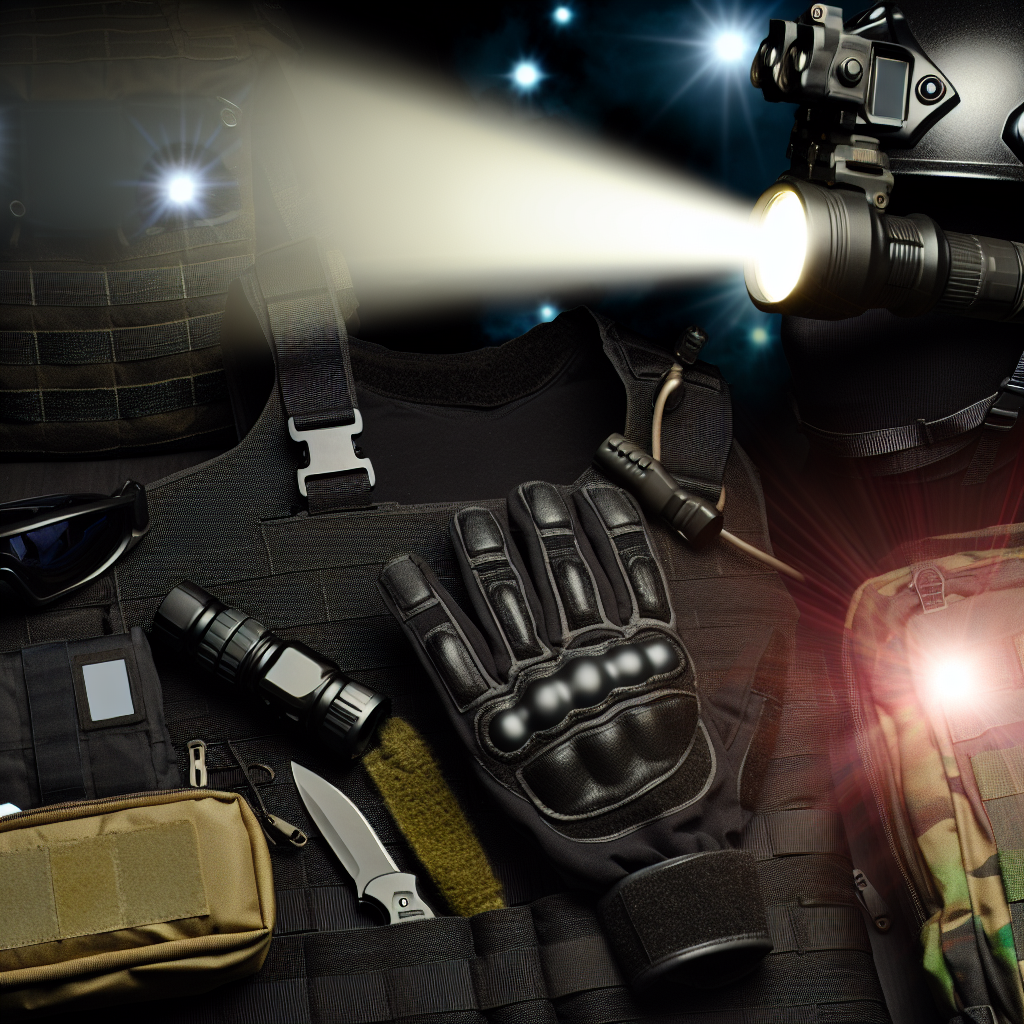
Operating in low-light or nighttime conditions presents unique challenges that demand specialized tactical gear to ensure safety, effectiveness, and situational awareness. Whether you are a law enforcement officer, military personnel, security professional, or a civilian preparing for emergencies, understanding the essential equipment for nighttime defense is crucial. This article delves into the key components of tactical gear designed specifically for nighttime operations, providing detailed insights, real-world examples, and practical advice to help you make informed decisions.
The Importance of Specialized Gear for Nighttime Defense
Nighttime scenarios inherently reduce visibility and increase the risk of errors or misjudgments. According to a 2019 study by the National Safety Council, over 50% of fatal crashes in the United States occur during night or low-light conditions. While this statistic pertains to driving, it highlights how diminished visibility can significantly affect performance and safety across various activities.
In tactical defense situations—such as home defense, patrols, or search and rescue—the ability to see clearly and react quickly can mean the difference between success and failure. Standard daytime gear often falls short under these conditions due to its reliance on ambient light or insufficient illumination features. Therefore, specialized equipment that enhances vision, communication, and mobility at night is essential.
Essential Night Vision and Illumination Tools
Enhancing visual capabilities in darkness is the cornerstone of effective nighttime defense. The following tools are fundamental for improving situational awareness:
- Night Vision Devices (NVDs): These devices amplify available light to create a visible image in near-total darkness. They range from monoculars and binoculars to helmet-mounted goggles. Modern NVDs use generations of technology (Gen 1 through Gen 3), with higher generations offering clearer images and better resolution.
- Infrared (IR) Illuminators: Since many NVDs rely on infrared light (invisible to the naked eye), IR illuminators serve as flashlights that emit IR light to illuminate dark areas without revealing your position. This is invaluable for covert operations.
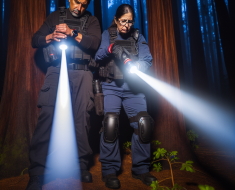
- Tactical Flashlights: High-lumen LED flashlights with strobe functions are crucial for disorienting threats and illuminating dark spaces. Features such as adjustable beams and durable construction enhance their utility.
- Weapon-Mounted Lights: Integrating illumination directly onto firearms allows rapid target identification without compromising grip or aim.
Case Study: During a 2018 law enforcement operation in rural Texas, officers equipped with Gen 3 night vision goggles successfully navigated dense forest terrain at night, locating suspects without alerting them—a task impossible with standard flashlights alone.
Tactical Clothing and Protective Gear for Darkness
Tactical clothing designed for nighttime use focuses on camouflage, comfort, and protection while minimizing visibility to adversaries. Key considerations include:
- Dark-Colored or Camouflaged Apparel: Wearing dark shades such as black, navy blue, or specialized night camo patterns helps blend into shadows.
- Moisture-Wicking Fabrics: Staying dry reduces discomfort and prevents distractions during prolonged operations.
- Ballistic Protection: Body armor rated for ballistic resistance is vital in hostile encounters; lightweight materials like Kevlar ensure mobility without sacrificing protection.
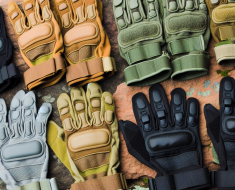
- Gloves with Tactile Sensitivity: Nighttime tasks often require fine motor skills; gloves that balance protection with dexterity improve weapon handling and equipment manipulation.
- Knee Pads and Elbow Guards: Protect joints during low-visibility movement across rough terrain or urban environments.
Example: Military special forces units routinely use uniforms made from ripstop nylon blended with moisture-wicking fibers combined with body armor inserts optimized for night missions. These materials help maintain stealth while providing critical protection.
Communication Devices Tailored for Night Operations
Effective communication remains paramount during nighttime defense missions where coordination can be complicated by limited visibility and environmental noise. Essential communication tools include:
- Tactical Radios with Noise-Canceling Headsets: Radios designed for secure transmission paired with headsets reduce ambient noise interference while maintaining situational awareness through bone conduction technology or ambient microphones.
- Encrypted Communication Systems: Prevent interception by adversaries through encrypted channels—especially important in military or sensitive security operations.
- SILENT Communication Tools: Hand signals augmented by wearable gesture-recognition devices allow silent interaction when radio silence is necessary.
A report from the U.S. Department of Defense highlights that over 70% of failed nighttime missions involve communication breakdowns—a problem mitigated by using advanced tactical radios paired with effective training on silent communication protocols.
Maneuverability Enhancers: Footwear and Mobility Accessories
Maneuvering effectively in darkness requires gear that supports silent movement and agility without compromising stability or safety. Considerations include:
- Tactical Boots with Quiet Soles: Footwear featuring rubber soles designed to minimize noise helps maintain stealth during patrols or defensive positioning.
- Ankle Support Features: Enhanced ankle support reduces injury risk on uneven terrain often encountered during nocturnal operations.
<