State-by-State Breakdown of Concealed Carry Laws in 2025
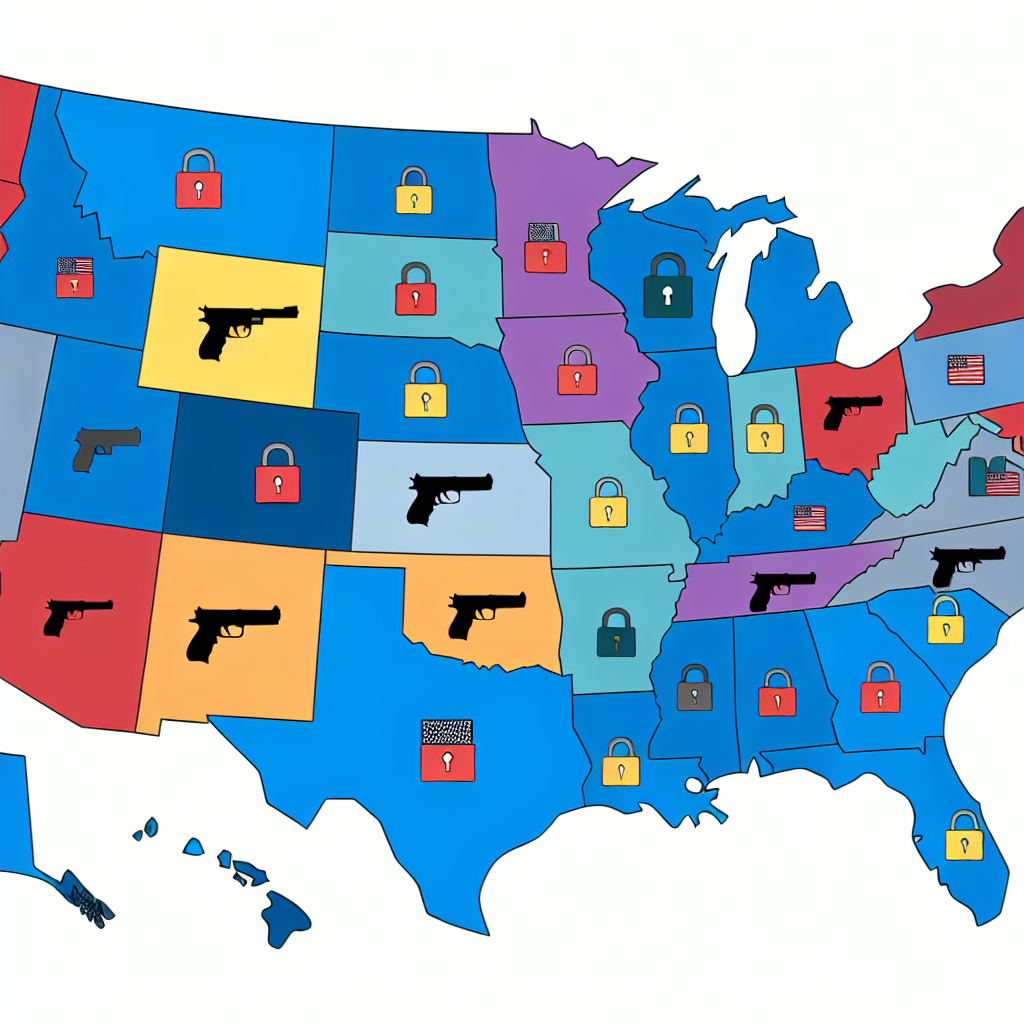
The landscape of concealed carry laws in the United States continues to evolve rapidly, reflecting ongoing debates about gun rights, public safety, and constitutional interpretations. As of 2025, understanding the nuances of concealed carry regulations in each state is essential for gun owners, legal professionals, and policymakers alike. This comprehensive article provides a detailed breakdown of concealed carry laws across all 50 states, highlighting key differences, recent changes, and practical implications for residents and travelers.
Overview of Concealed Carry Laws: Fundamentals and Federal Context
Concealed carry refers to the practice of carrying a firearm in a concealed manner on one’s person or in close proximity. The regulatory framework governing this practice is predominantly state-based, with significant variation in requirements, restrictions, and enforcement.
At the federal level, the Gun Control Act of 1968 provides baseline regulations but defers much authority to states. The landmark Supreme Court decision in New York State Rifle & Pistol Association Inc. v. Bruen (2022) further reshaped the legal landscape by affirming an individual’s right to carry firearms outside the home for self-defense under the Second Amendment. This ruling has prompted many states to revise their laws to align with constitutional standards.
- Permit Types: Most states require a permit or license for concealed carry; however, some have adopted permitless carry policies.
- Training Requirements: States vary on whether they mandate firearm safety training as part of the permitting process.
- Reciprocity: Recognition of out-of-state permits is inconsistent, complicating travel for permit holders.
The following sections break down these issues state-by-state with emphasis on key trends and notable examples.
States with Permitless (Constitutional) Carry: Expanding Freedom or Public Risk?
As of 2025, a growing number of states have adopted “constitutional carry” laws — allowing eligible adults to carry concealed firearms without obtaining a permit. These laws reflect a philosophy that law-abiding citizens should not be burdened by bureaucratic hurdles to exercise their Second Amendment rights.
Examples of Constitutional Carry States:
- Alaska: One of the earliest adopters since 2003; no permit required for residents over 21 years old.
- Arizona: Since 2010, allows permitless concealed carry for adults legally allowed to possess firearms.
- Florida: Adopted constitutional carry in 2023; previously required permits with extensive training prerequisites.
- Tennessee: Implemented permitless carry in July 2021; permits still issued for reciprocity purposes.
The shift toward constitutional carry has sparked debate. Advocates argue it restores fundamental rights and reduces government overreach. Critics raise concerns about increased risks due to lack of mandatory training or background checks beyond initial firearm purchase requirements.
A case study from Idaho, which enacted constitutional carry in July 2016, showed mixed results. According to a report by the Idaho State Police (2024), violent crime rates did not significantly increase post-law enactment; however, accidental discharges rose slightly among first-time carriers lacking formal training.
States Requiring Permits: Varied Approaches to Regulation and Training
The majority of U.S. states maintain systems that require individuals to obtain a permit or license before carrying a concealed weapon. These systems often include background checks, fingerprinting, fees, and sometimes mandatory safety training courses.
The stringency and nature of these requirements vary widely:
- “Shall-Issue” States: These states must issue permits if applicants meet objective criteria (e.g., clean criminal record). Examples include Texas and Ohio.
- “May-Issue” States: Authorities have discretion whether to issue permits even if criteria are met. California remains one of the few states employing this model post-Bruen but has faced legal challenges questioning its constitutionality.
- “Enhanced Permit” Programs: Some states offer enhanced permits providing benefits like expanded reciprocity or access to restricted areas (e.g., Illinois’ FOID card enhancements).
Nevada’s system, revised significantly in late 2024 following federal court rulings, now requires applicants to complete an eight-hour firearm safety course before issuance but maintains “shall-issue” status ensuring permits are granted promptly upon meeting criteria.
Training Requirements: Ensuring Safety or Creating Barriers?
The debate around mandatory training remains central. States such as Massachusetts require comprehensive training before issuing permits, including live-fire exercises and classroom instruction covering laws and safe handling practices. Conversely, some states like Mississippi only require minimal education or none at all under constitutional carry provisions.
A study published by the Journal of Firearms Safety (2023) found that jurisdictions requiring formal firearm training experience fewer accidental discharges among new permit holders compared to those without such mandates. However, critics argue that overly burdensome training requirements may discourage lawful carriers or disproportionately affect low-income applicants.
Reciprocity: Navigating Cross-State Concealed Carry Permissions An important consideration for concealed carriers who travel interstate is whether their home state’s permit is recognized by other states. This can greatly affect the ability of individuals to carry their firearms legally while traveling.
Understanding these laws is crucial for responsible gun ownership and ensuring compliance while exercising the right to bear arms.