How to Stay Compliant with Magazine Capacity Restrictions
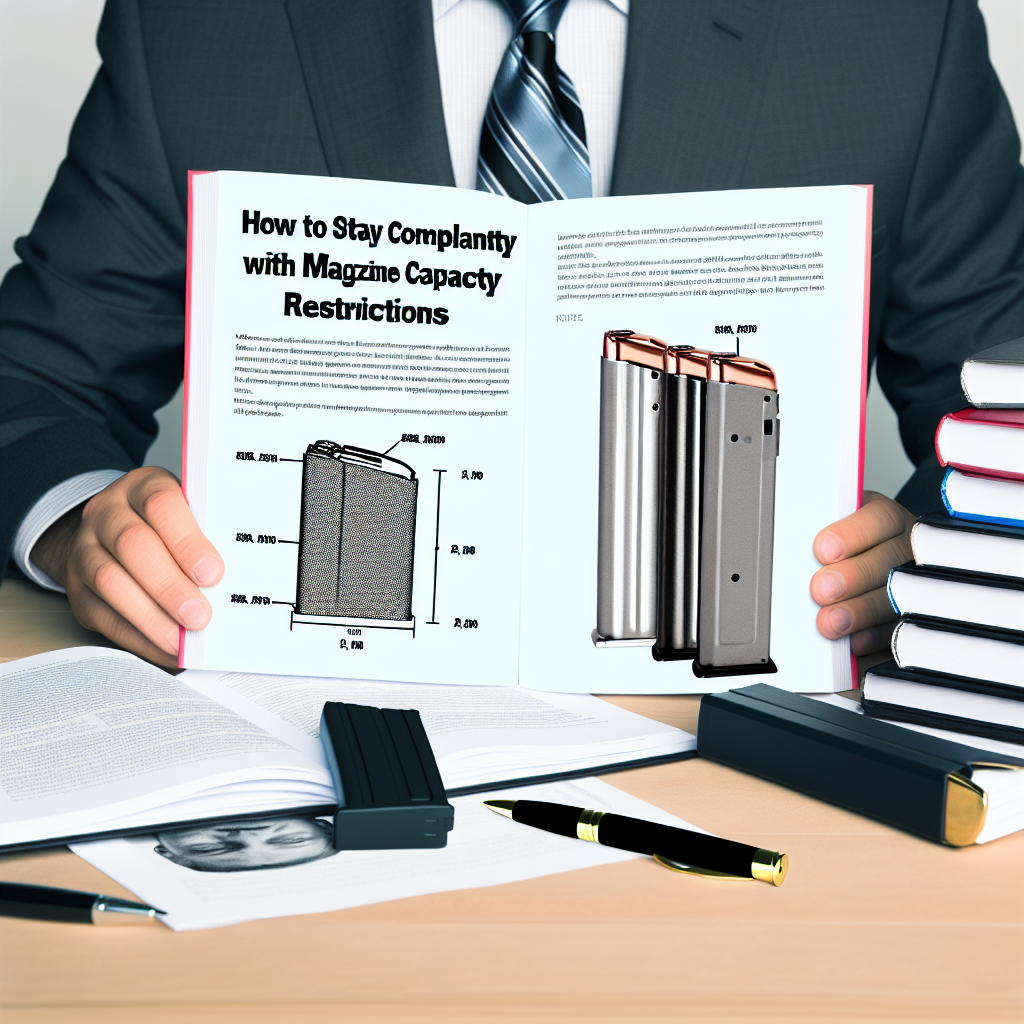
Magazine capacity restrictions have become a critical aspect of firearm regulations in many jurisdictions around the world. These laws aim to limit the number of rounds a magazine can hold, thereby potentially reducing the lethality of firearms in mass shootings and other violent incidents. However, navigating these regulations can be complex for gun owners, retailers, and manufacturers alike.
This article provides a comprehensive guide on how to stay compliant with magazine capacity restrictions. We will explore the legal landscape, practical steps to ensure compliance, challenges faced by stakeholders, and real-world examples to illustrate best practices.
Understanding Magazine Capacity Restrictions: The Legal Landscape
Magazine capacity restrictions vary widely depending on location and legislative context. Typically, these laws limit magazines to holding between 5 to 15 rounds, although some states or countries may have different thresholds or exemptions.
For example, in the United States:
- California limits magazines to 10 rounds.
- New York also enforces a 10-round limit under the New York Secure Ammunition and Firearms Enforcement Act (SAFE Act).
- Colorado caps magazines at 15 rounds.
- Massachusetts restricts magazines to 10 rounds but exempts certain firearms like .22 caliber rimfire rifles.
Internationally, countries like Canada have similar limits, generally capping magazines at five or ten rounds depending on the firearm type.
The rationale behind these restrictions is often linked to public safety concerns. Studies have indicated that limiting magazine capacity may reduce the number of casualties in mass shooting incidents by forcing shooters to reload more frequently—potentially providing opportunities for intervention or escape.
Key Steps for Firearm Owners to Ensure Compliance
For individual firearm owners, staying compliant with magazine capacity laws involves several important steps:
- Know Your Local Laws: Regulations can change frequently. It is crucial for gun owners to regularly check official state or country websites and stay updated on legislative changes.
- Audit Your Magazines: Identify the capacity of each magazine you own. Many manufacturers print capacity information directly on the magazine; if not, consult manufacturer specifications or measure manually.
- Modify Magazines if Necessary: In some jurisdictions, it is legal to modify high-capacity magazines by blocking rounds or physically altering them so they cannot hold more than the legal limit. However, this must be done carefully and lawfully.
- Avoid Purchasing Illegal Magazines: Before buying new magazines, verify that their capacity complies with your local laws. Retailers often label magazines accordingly, but it is your responsibility as an owner.
- Secure Storage and Transportation: Some laws require that high-capacity magazines be stored separately from firearms or transported in specific manners. Understand and follow these rules rigorously.
A practical example: In California, gun owners must not only ensure their magazines do not exceed ten rounds but also cannot possess “grandfathered” high-capacity magazines if they were acquired after a certain date. This has led many owners to either surrender such magazines through buyback programs or modify them appropriately.
The Role of Manufacturers and Retailers in Compliance
The firearm industry plays a significant role in maintaining compliance with magazine capacity restrictions through responsible manufacturing and sales practices:
- Designing Compliant Products: Many manufacturers produce magazines specifically designed to meet regional capacity laws. For instance, companies might offer “California-compliant” versions capped at ten rounds or less.
- Clear Labeling: Transparent product labeling helps consumers identify compliant products easily—this includes stamping capacity numbers clearly on packaging and products themselves.
- Loyalty to Regulatory Updates: Industry stakeholders need systems in place that promptly adapt product offerings when new legislation is passed or existing laws change.
- E-commerce Vigilance: Online retailers must enforce age verification and geographic restrictions rigorously since shipping non-compliant magazines across state lines can result in severe penalties.
A notable case study is Ruger’s approach after California enacted its magazine ban amendments. Ruger introduced their SR9 pistol with a reduced-capacity magazine specifically engineered for California customers while continuing standard offerings elsewhere. This proactive approach helped both consumers comply easily and avoided legal conflicts for the company.
Navigating Common Challenges and Legal Pitfalls
Navigating magazine capacity restrictions is not always straightforward; various challenges can complicate compliance efforts:
- Lack of Awareness: Many gun owners remain unaware of specific local restrictions until confronted by law enforcement or legal proceedings. Public education campaigns remain crucial for raising awareness.
- Ambiguous Definitions: Some laws define “capacity” differently—for example, counting only standard loaded rounds versus maximum possible expansion—which can cause confusion.
- Crossover Jurisdictions: Travelers crossing state or national borders may inadvertently violate local laws if unaware of differing regulations. For example, transporting a fully loaded high-capacity magazine purchased legally elsewhere could lead to prosecution if transported into a restricted area without proper precautions.
- Punitive Measures for Non-Compliance: Penalties
Punitive Measures for Non-Compliance: Penalties can vary widely, ranging from fines to criminal charges, depending on the jurisdiction and the nature of the violation. Staying informed and proactive can help mitigate these risks.
Ultimately, understanding and adhering to magazine capacity restrictions is essential for responsible gun ownership.