How Local Ordinances Affect Your Gun Ownership
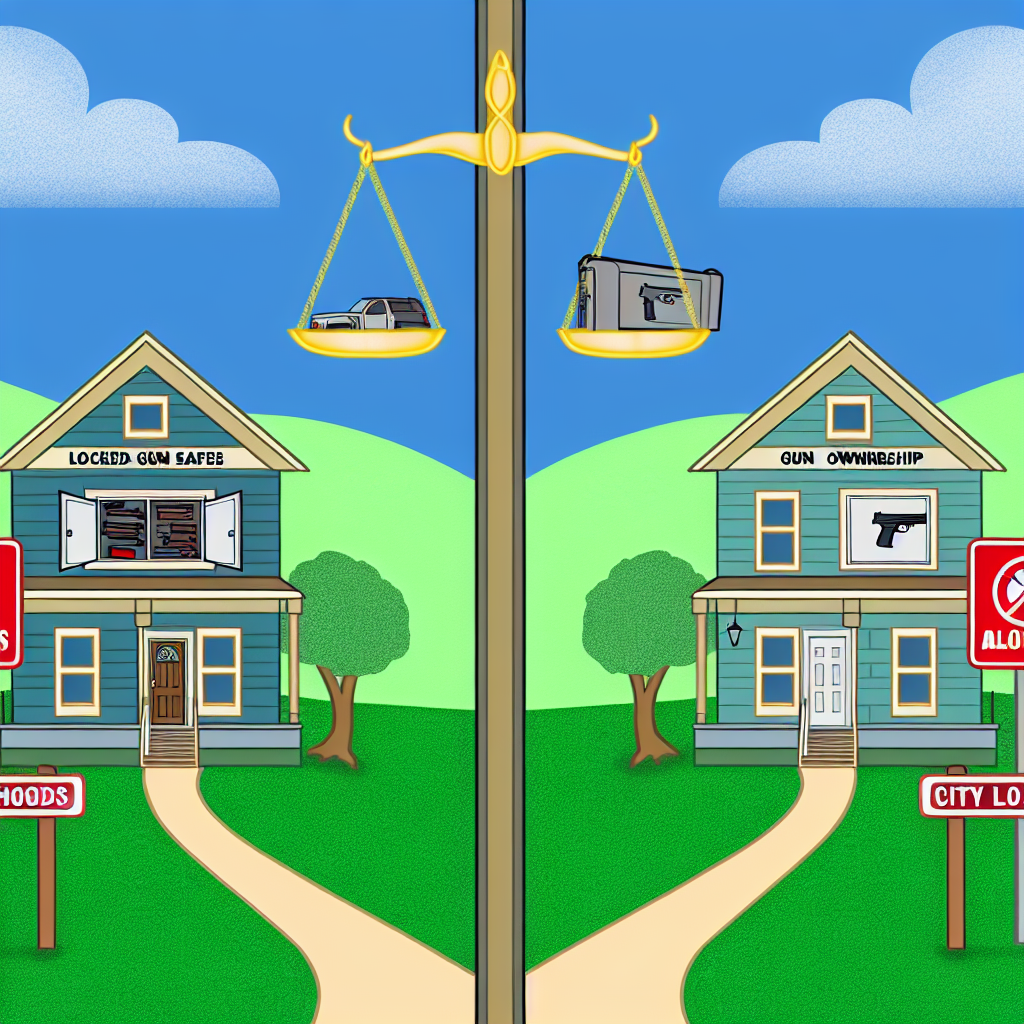
Gun ownership in the United States is governed by a complex web of laws at the federal, state, and local levels. While federal and state laws often receive the most attention, local ordinances can have a significant impact on how residents exercise their Second Amendment rights. These local regulations vary widely from one municipality to another, influencing everything from where you can carry a firearm to what types of guns are permitted.
Understanding the role of local ordinances in gun ownership is crucial for responsible gun owners and those considering owning firearms. This article explores how local laws affect gun ownership, highlighting key areas such as carrying restrictions, storage requirements, licensing, and enforcement practices. By examining relevant examples and statistics, we aim to provide a comprehensive guide to navigating this often overlooked layer of firearm regulation.
The Role of Local Ordinances in Gun Control
Local ordinances are laws passed by city or county governments that regulate behavior within their jurisdiction. Unlike state or federal laws that apply broadly across larger regions, local ordinances address community-specific concerns and priorities. When it comes to gun ownership, these laws can either complement or complicate state regulations.
While the Second Amendment protects an individual’s right to bear arms, courts have consistently upheld that this right is not unlimited. Local governments have some authority to regulate firearms to promote public safety. However, this authority varies depending on state preemption laws—rules that prevent municipalities from enacting firearm regulations more restrictive than state law.
- Preemption Laws: Many states have enacted preemption laws that limit or prohibit local governments from passing their own gun control measures. For example, Florida’s preemption law restricts cities from banning open carry or imposing additional licensing requirements beyond state law.
- Home Rule States: Some states allow “home rule” municipalities greater autonomy in regulating firearms within their borders. Cities like Chicago and New York have historically imposed strict local gun ordinances despite broader state laws.
This patchwork system means that gun owners must be aware not only of federal and state regulations but also of the specific rules enforced by their city or county.
Common Types of Local Gun Ordinances
Local governments regulate firearms through various types of ordinances tailored to address particular issues within their communities. These often include restrictions on carrying guns in public spaces, requirements for safe storage, bans on specific weapons or accessories, and rules governing firearm sales.
1. Carrying Restrictions
One of the most impactful ways local ordinances affect gun owners is through restrictions on carrying firearms in public—whether openly or concealed. Some cities impose stricter rules than those found at the state level:
- No Open Carry Zones: Certain municipalities prohibit open carry in designated areas such as parks, government buildings, or downtown districts.
- Concealed Carry Limitations: Even if a state issues concealed carry permits broadly, some cities may require additional permits or restrict where concealed weapons can be carried.
- Gun-Free Zones: Schools, transit systems, and other sensitive locations are commonly subject to local ordinances banning firearms altogether.
Case Study: In Washington D.C., which has its own set of strict firearm regulations despite being a federal district rather than a city within a state, residents face rigorous permitting requirements for carrying concealed weapons. The city’s regulations were upheld by the Supreme Court only recently in D.C. v. Heller, which recognized an individual’s right to possess firearms but also acknowledged permissible restrictions on carrying them in public spaces.
2. Safe Storage Requirements
To reduce accidental shootings and unauthorized access—especially by children—many cities enact safe storage ordinances requiring gun owners to securely lock up their firearms when not in use.
- Mandates for using gun safes or lockboxes
- Laws penalizing negligent storage leading to thefts or accidents
- Requirements for childproof locks on handguns
Example: San Francisco enforces strict safe storage rules including criminal penalties if an unsecured firearm is accessed by minors resulting in injury or death. Research published by the Johns Hopkins Center for Gun Policy and Research found that safe storage laws correlate with reductions in accidental shootings among children.
3. Assault Weapons Bans and Magazine Limits
Cities like Chicago and Los Angeles have banned so-called “assault weapons” and limited magazine capacities beyond what state law mandates. These bans typically target semi-automatic rifles with certain features like pistol grips or detachable magazines exceeding a specified round count (usually 10 rounds).
- Bans on assault-style rifles with military features
- Mags restricted to low capacity (10-15 rounds)
- Laws restricting sales or transfers within city limits
The efficacy of these bans remains debated; however, proponents argue they help reduce mass shooting lethality while opponents claim they infringe on constitutional rights without significantly impacting crime rates.
The Impact of Local Ordinances on Gun Owners: Challenges and Responsibilities
The diversity of local firearm laws creates challenges for gun owners who travel frequently between jurisdictions or move to new areas with different rules.
Violating even minor local ordinances can lead to serious legal consequences including fines, confiscation of firearms, or criminal charges. Understanding and adhering to these regulations is crucial for responsible gun ownership.