Reloading Tips for Beginners: Where to Start
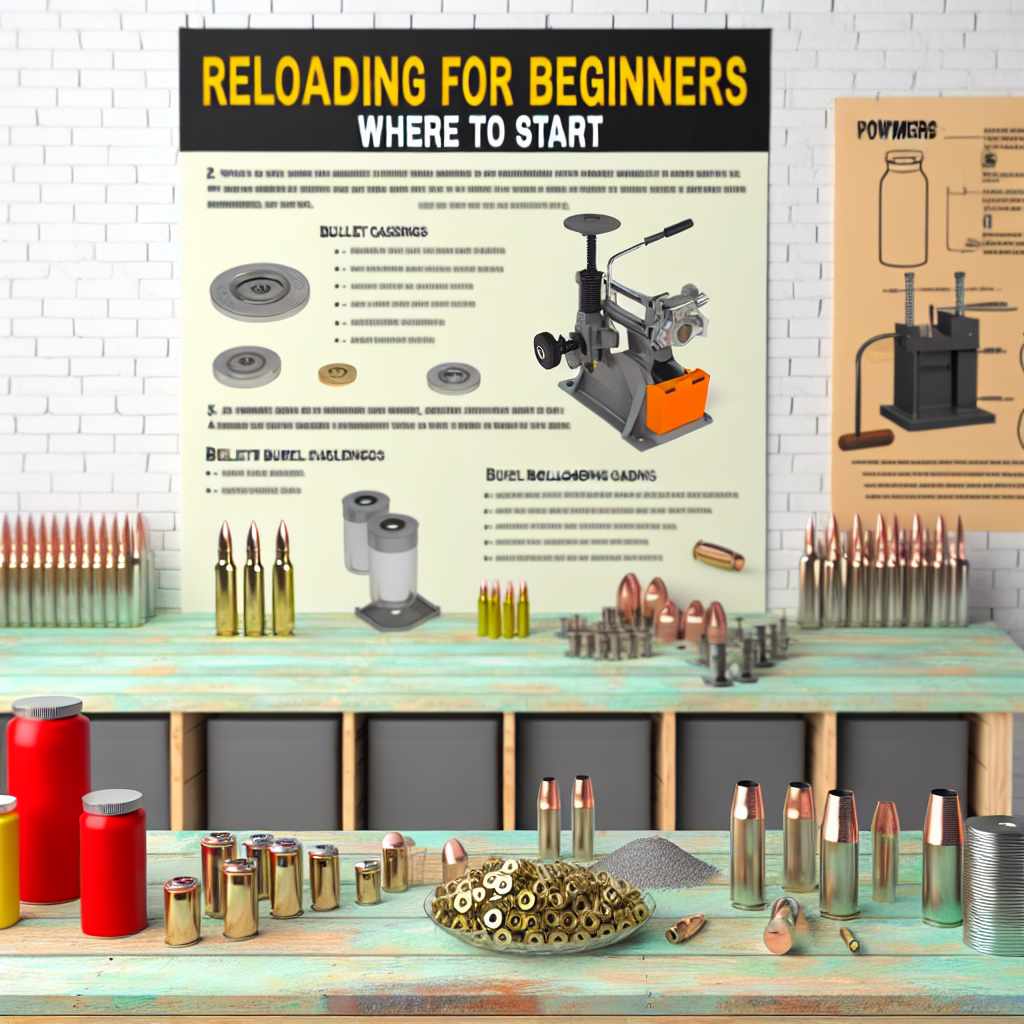
Reloading ammunition is a rewarding and cost-effective hobby that many shooting enthusiasts embrace. Whether you’re aiming to improve your shooting accuracy, save money on ammunition, or simply enjoy the craftsmanship behind making your own rounds, reloading offers numerous benefits. However, for beginners, the process can seem overwhelming due to the variety of equipment, components, and safety considerations involved.
This comprehensive guide aims to provide clear and actionable tips to help novice reloaders get started confidently and safely. From understanding the basics of reloading equipment to mastering essential techniques, this article covers everything you need to embark on your reloading journey.
Understanding the Basics: What Is Reloading?
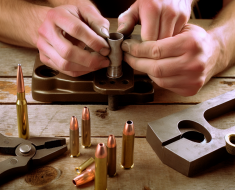
Before diving into the practical aspects of reloading, it’s crucial to grasp what reloading actually entails. Reloading is the process of assembling firearm cartridges by hand using components such as brass cases, primers, powder, and bullets. Instead of buying factory-loaded ammunition, reloaders create their own rounds tailored to their specific needs.
Reloading can be broken down into several key steps:
- Cleaning and inspecting cases: Ensuring brass cases are free from damage or defects.
- Resizing: Using a resizing die to restore the case dimensions so they fit properly in your firearm.
- Priming: Installing a new primer in the case’s primer pocket.
- Charging with powder: Adding a precise amount of gunpowder suitable for your bullet and firearm.
- Seating the bullet: Pressing the bullet into the case mouth at a specified depth.
- Capping or crimping: Securing the bullet firmly in place if necessary.
The goal is producing reliable, safe ammunition that performs consistently with your firearm. According to data from the National Shooting Sports Foundation (NSSF), handloaders can save up to 50% on ammunition costs compared to factory rounds while tailoring loads for specific shooting activities like hunting or target practice.
Essential Equipment and Components for Beginners
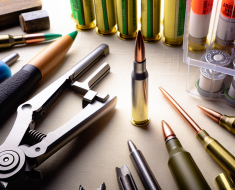
A successful start in reloading requires investing in some basic equipment and understanding the types of components you’ll be working with. Here’s a breakdown of what every beginner should consider acquiring:
Basic Reloading Equipment
- Reloading Press: The heart of your setup; presses come in single-stage (recommended for beginners), turret, and progressive models. Single-stage presses are simpler and allow you to focus on mastering each step individually.
- Dies: Specific to your cartridge caliber; resizing and seating dies are essential. You may also want a decapping die (to remove spent primers) if not integrated into resizing dies.
- Scale: Accurate powder measurement is critical for safety; digital scales are recommended for precision.
- Sizing Lubricant: For lubricating brass during resizing unless using carbide dies which require no lube.
- Case Tumbler or Cleaner: To clean fired brass before reloading; clean cases ensure better quality reloads.
- Calipers: To measure overall cartridge length (OAL) and ensure consistency.
Main Components
- Brist Cases: Collect spent brass from fired ammo; quality matters since repeated use shortens lifespan.
- Primers: The ignition source; available in large or small sizes depending on cartridge type.
- Powder: Different powders burn at different rates; choose appropriate powders based on published load data.
- Bullets: Projectiles come in various weights and designs optimized for different purposes like target shooting or hunting.
A good practice is starting with popular calibers such as .223 Remington or .308 Winchester due to abundant information and readily available components. For example, Hornady’s Handbook of Cartridge Reloading lists hundreds of tested loads for these calibers that beginners can safely reference as they learn.
The Importance of Safety: Precautions Every Beginner Must Take
The reloading process involves handling explosive components like primers and gunpowder, making safety paramount. Mistakes can lead to dangerous outcomes such as accidental detonations or improperly loaded cartridges that could damage firearms or cause injury. Here are some essential safety tips every beginner must follow:
- Create a Dedicated Workspace: Use a clean, well-lit area free from distractions where you can organize components carefully without risk of contamination or spills.
- Avoid Mixing Powders or Primers: Always keep powders separated by type and label them clearly. Never mix primers with other chemicals or store them near heat sources.
- Follow Published Load Data Strictly: Use reputable sources such as manufacturer manuals or Hodgdon’s online database; never exceed recommended powder charges even if you think it might increase performance.
- Create an Inventory System: Track batches of loaded ammo including powder charge, bullet type, primer brand, date loaded — this helps identify any anomalies if issues arise during shooting tests.
-
By adhering to these guidelines, you can ensure a safer and more enjoyable reloading experience.