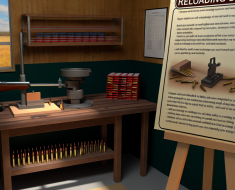
Reloading Reloading Bullet Swaging Basics
Reloading ammunition has become a popular hobby and practical skill among shooting enthusiasts, hunters, and competitive marksmen. One of the more specialized aspects of reloading is bullet swaging—a process that allows reloaders to create their own bullets from raw materials with precision and consistency. This article dives deep into the basics of bullet swaging within the context of reloading, offering valuable insights, practical advice, and examples to help you understand this fascinating craft.
What is Bullet Swaging? An Introduction
At its core, bullet swaging is a metal-forming process used to create bullets by shaping lead or other metals under high pressure. Unlike casting, which involves melting lead and pouring it into molds, swaging uses dies to press and form bullets from solid or pre-formed metal slugs. This method produces bullets that are highly uniform in size, weight, and shape—qualities essential for achieving superior accuracy in shooting.
Swaging dates back to the 19th century but has gained renewed interest among reloaders because it offers several advantages:
- Precision: Swaged bullets have tight tolerances that contribute to consistent ballistics.
- Customization: Reloaders can produce bullets tailored for specific calibers, weights, or purposes.
- Cost Efficiency: Although initial equipment investment can be high, making your own bullets reduces long-term costs.
- Quality Control: Reloaders have full control over bullet hardness, shape, and other characteristics.
While casting remains popular due to its simplicity and lower startup cost, swaging offers unparalleled precision that many serious reloaders value highly.
The Swaging Process: How It Works
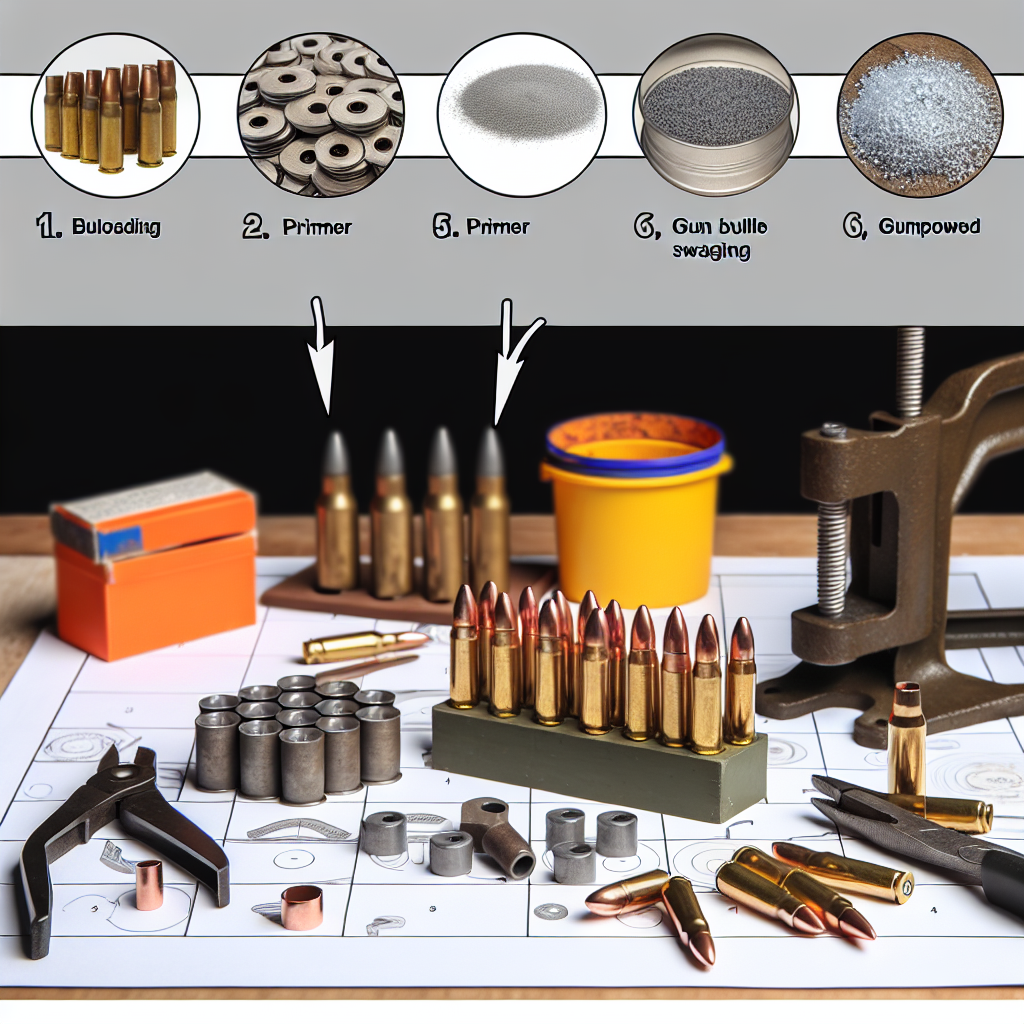
The bullet swaging process involves several steps where metal is formed using specially designed dies and presses. Here’s a breakdown of the typical procedure:
- Material Selection: Most reloaders use lead alloys (often mixed with antimony or tin) due to their malleability and density. Some also use copper or jacket materials for jacketed bullet swaging.
- Slug Preparation: The base material is cut or formed into slugs—small cylindrical pieces—that are then placed into the swage die.
- Swage Dies Setup: Swage dies consist of multiple parts designed to perform specific shaping functions such as forming the nose profile, creating the bearing surface, or adding cannelures (grooves).
- Press Operation: Using a hydraulic or manual press, the slug is subjected to intense pressure inside the die cavity. The metal flows and conforms exactly to the die shape without melting.
- Final Inspection: Finished bullets are checked for weight consistency, dimensions (diameter, length), surface finish, and any defects like cracks or voids.
The entire process requires careful attention to detail and precise control of pressure levels. Even small variations can affect the bullet’s performance in flight.
The Equipment You Need for Bullet Swaging
If you’re considering getting started with bullet swaging as part of your reloading setup, understanding the essential equipment is critical. Here’s an overview of what you’ll need:
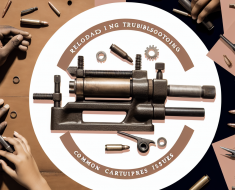
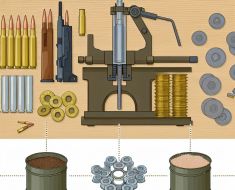
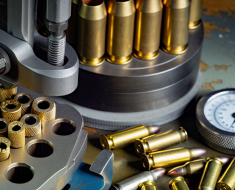
- Swage Press: The heart of the operation—a press capable of generating high pressure (usually tens of tons). Options range from manual arbor presses adapted for swaging to dedicated hydraulic presses designed specifically for this purpose.
- Swage Dies: Custom-made dies are required for each caliber and bullet design you want to produce. Dies can be sourced from manufacturers like Lyman, Redding, or custom die makers specializing in swaging tools.
- Slug Cutters/Metal Feeders: Devices that prepare uniform slugs from raw lead wire or bar stock before placing them into dies.
- Lubricants: Special lubricants may be used on dies to reduce friction during pressing and extend tool life.
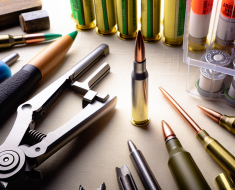
- Measuring Tools: Micrometers and scales are essential for checking dimensions and weight consistency during production runs.
A typical beginner setup might involve a robust arbor press with a set of swage dies for popular calibers like .308 Winchester or .45 ACP. As proficiency grows, some reloaders invest in hydraulic presses which offer more power and repeatability but come at a higher cost.
The Advantages of Swaged Bullets Over Cast Bullets
Casting bullets at home has long been favored by reloaders because it requires minimal equipment—mainly a melting pot and molds. However, swaged bullets offer several distinct advantages that make them attractive despite higher complexity:
- Tight Dimensional Control: Swaged bullets typically have diameter variations within ±0.001 inches compared to ±0.002–0.003 inches for cast bullets. This tighter control leads to improved accuracy downrange.
- Smoother Surface Finish: Because no molten metal is involved, swaged bullets exhibit fewer surface imperfections such as voids or pits common in cast bullets.
- Tougher Structural Integrity: Swaged bullets undergo cold working which increases hardness uniformly throughout the bullet
Tougher Structural Integrity: Swaged bullets undergo cold working which increases hardness uniformly throughout the bullet, resulting in better performance under high pressures.
Overall, the advantages of swaged bullets can significantly enhance the shooting experience for reloaders seeking precision and consistency.