Recent Changes to Firearm Purchase Age Restrictions
Firearm purchase age restrictions have been a pivotal aspect of gun control legislation in many countries, particularly in the United States. These laws are designed to balance individual rights with public safety concerns by regulating the minimum age at which a person can legally acquire firearms. In recent years, there have been significant changes to these age restrictions at both federal and state levels, reflecting evolving societal attitudes toward gun violence, youth safety, and Second Amendment rights.
This article provides a comprehensive overview of the recent changes to firearm purchase age restrictions, exploring the legislative shifts, their motivations, and their implications for public safety. It also discusses case studies, statistical data, and ongoing debates surrounding this sensitive and impactful issue.
Historical Context of Firearm Purchase Age Restrictions
Understanding recent changes requires some background on how firearm purchase age restrictions have evolved historically.
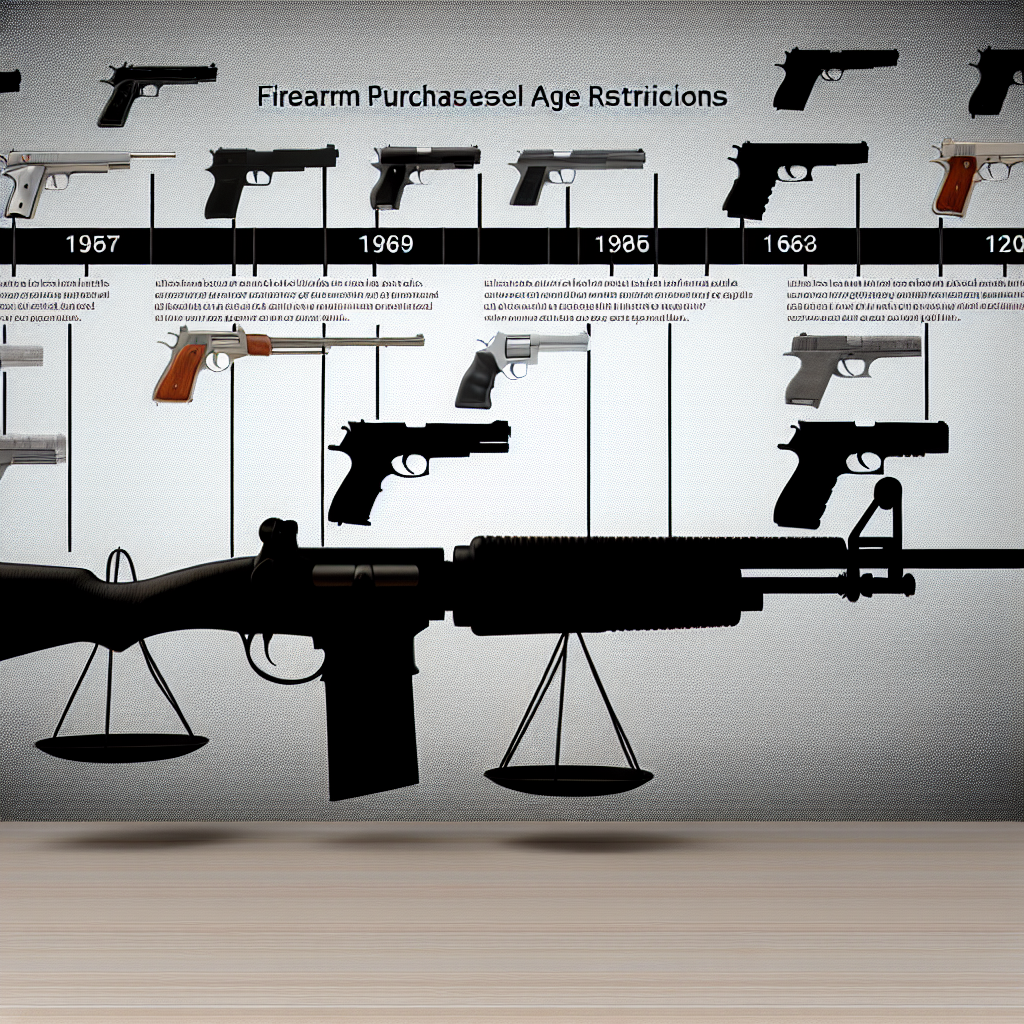
In the United States, the Gun Control Act of 1968 initially established minimum age requirements for purchasing firearms from licensed dealers:
- 18 years old for long guns (rifles and shotguns)
- 21 years old for handguns
This distinction was based on perceptions about maturity and risk associated with different types of firearms. However, these federal guidelines have been supplemented or modified by state laws over time.
Prior to recent reforms, many states allowed individuals aged 18 to 20 to purchase rifles and shotguns but barred handgun purchases under 21. This discrepancy became a focal point in debates about youth access to firearms and gun violence prevention.
Recent Legislative Changes: A Shift Toward Raising Minimum Age Requirements
In response to several high-profile mass shootings involving young perpetrators, including school shootings like those at Parkland (2018) and Santa Fe (2018), lawmakers across various states enacted stricter firearm purchase age laws.
The trend has been toward raising the minimum age for purchasing all types of firearms—both handguns and long guns—to 21 years. Some significant examples include:
- Florida’s Marjory Stoneman Douglas High School Public Safety Act (2018): Following the tragic shooting at Parkland High School that killed 17 people, Florida raised the minimum age for purchasing firearms from 18 to 21.
- Maine (2019): The state passed legislation raising the minimum purchase age for all firearms to 21.
- Nevada (2019): Nevada raised the minimum purchase age for firearms from 18 to 21 years.
- Minnesota (2021): The state passed laws increasing the minimum age for all firearm purchases to 21.
The federal government also considered similar measures. In March 2021, President Joe Biden announced executive actions aimed at curbing gun violence, including proposals to raise the federal minimum age to buy semi-automatic rifles from 18 to 21. While this has not yet resulted in federal legislation, it indicates strong political momentum on this issue.
Motivations Behind Raising Age Limits
The primary reasons cited by advocates for raising firearm purchase ages include:
- Youth Violence Prevention: Data show that young adults aged 18-20 are disproportionately involved in firearm-related crimes and accidents.
- Maturity Concerns: Psychological research suggests brain development continues into the mid-20s, affecting decision-making and impulse control—critical factors when handling firearms.
- Reducing Mass Shooting Risks: Many mass shooters have been under or just over age 21; restricting access may reduce these incidents.
The Impact of These Changes: Data and Case Studies
Assessing how these legislative changes affect gun violence rates is complex due to varying enforcement mechanisms and other contributing factors. Nonetheless, emerging data provide insights into their effectiveness.
The Florida Example: Post-Parkland Reforms
The enactment of Florida’s law raising the purchase age was among the first major policy shifts following a mass shooting. Early evaluations suggest mixed but promising outcomes:
- Reduction in Youth Gun Sales: Background check data indicate a drop in sales of firearms to persons aged under 21 post-legislation.
- No Immediate Drop in Overall Gun Violence: Some studies report that overall gun violence rates did not significantly decline immediately after implementation due to other factors such as illegal firearm trafficking.
- Cultural Shift: Surveys showed increased public support for stricter gun laws following Parkland tragedy, indicating potential long-term cultural impact beyond statistics alone.
Nevada’s Legislative Change: Early Findings
Nevada’s law took effect in January 2020. According to a report by Nevada’s Department of Public Safety:
- A notable decline occurred in sales of long guns and handguns among buyers aged below 21 within one year after enactment.
- The percentage of background checks denied due to underage status increased significantly compared with previous years.
However, experts caution that more longitudinal studies are necessary before confirming causality between these laws and reductions in youth-involved gun violence or accidents.
As lawmakers continue to evaluate the effectiveness of these age restrictions, the ongoing dialogue surrounding gun control remains a pivotal issue in American society, reflecting broader concerns about public safety and youth protection.