The Legalities of Suppressors and Silencers Explained
Suppressors and silencers have long been a topic of fascination and debate, often dramatized in movies and media as devices that render guns whisper-quiet. However, the reality is far more nuanced, especially when it comes to their legal status. These devices are subject to complex regulations that vary significantly depending on the country, state, or even local jurisdiction. This article delves into the legal landscape surrounding suppressors and silencers, explaining their definitions, regulatory frameworks, practical uses, and controversies.
Understanding Suppressors and Silencers: What Are They?
Before diving into legal matters, it’s crucial to clarify what suppressors and silencers actually are. Despite popular culture often using the terms interchangeably, there is a subtle distinction.
- Silencer: Originally a trademarked term by inventor Hiram Percy Maxim in the early 20th century, it refers to a device attached to the muzzle of a firearm intended to reduce the noise generated when firing.
- Suppressor: A more technically accurate term used today, referring to devices that suppress or reduce the sound intensity of a gunshot but do not completely silence it.
In practice, both terms are often used synonymously. Suppressors work by trapping expanding gases from the gunpowder explosion inside a series of chambers or baffles that slow down and cool these gases before they exit the barrel. This reduces noise levels typically from 140-170 decibels (dB) down to around 120-130 dB—a significant reduction but still loud enough to cause hearing damage without ear protection.
The Legal Framework Governing Suppressors
The possession, manufacture, sale, and use of suppressors are heavily regulated worldwide due to concerns about public safety and criminal misuse. However, regulations vary dramatically by jurisdiction.
United States: National Firearms Act (NFA) Regulations
In the United States, suppressors fall under the National Firearms Act (NFA) of 1934. The NFA regulates certain types of firearms and accessories that are deemed especially dangerous or concealable.
- Registration & Tax Stamp: To legally own a suppressor in the U.S., an individual must submit an application to the Bureau of Alcohol, Tobacco, Firearms and Explosives (ATF), undergo a background check, pay a $200 tax stamp fee per device, and register the suppressor.
- Eligibility: Only individuals who can legally own firearms may apply. Felons or those with certain criminal histories are prohibited.
- Transfer Restrictions: Suppressors can only be transferred between residents within the same state unless special permissions are obtained.
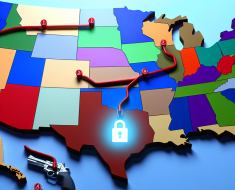
- State Laws Vary: While federal law permits ownership following NFA compliance, some states completely ban civilian ownership or place additional restrictions.
A notable example is Virginia’s recent legalization of suppressor ownership for hunting purposes starting in July 2021—a significant shift encouraging quieter shooting environments for hunters.
International Regulations: A Global Perspective
Laws outside the U.S. range from permissive to extremely restrictive:
- United Kingdom: Suppressors (called “moderators”) are legal but require firearm certificates specifying their use. They are often encouraged for hunting to reduce noise pollution.
- Australia: Generally banned for civilian use except under special licenses; strict gun control laws limit access.
- Nordic Countries: Countries like Finland and Norway promote suppressor use among hunters due to noise reduction benefits and have relatively liberal laws regarding their ownership.
- Japan & Singapore: Complete bans on civilian possession regardless of intent.
This disparity highlights how cultural attitudes towards guns and public safety influence legislation globally.
The Practical Uses Behind Suppressor Ownership
The legal regulation around suppressors is often informed by how these devices are actually used in practice rather than solely by fears of misuse. Understanding legitimate uses helps contextualize why many jurisdictions allow them under strict controls.
- Hunting: Suppressors reduce noise pollution in natural habitats which benefits both wildlife conservation efforts and hunter safety by minimizing hearing damage risks. Several states in the U.S., like Montana and Colorado, have explicitly legalized suppressor use for hunting.
- Shooting Sports & Training: Reducing recoil noise helps new shooters learn safely without discomfort or fear related to loud gunfire.
- Hearing Protection: Studies indicate that continuous exposure to gunshots can cause permanent hearing loss; using suppressors significantly mitigates this risk for shooters and bystanders alike.
- Lawmaking & Military Use: Military units use suppressors tactically for stealth operations; civilian restrictions aim to prevent similar misuse while allowing lawful ownership where appropriate.
A Case Study: Hunting with Suppressors in Norway
The Norwegian government encourages suppressor use among hunters as part of its wildlife management strategy. After allowing them widely in the early 2000s, studies showed decreased disturbance in animal populations near hunting areas while maintaining hunter safety standards.
This example demonstrates how legislative frameworks can balance the interests of wildlife conservation, public safety, and the rights of hunters. Understanding these legalities is crucial for responsible firearm ownership and usage.