New Legislation Targeting Ghost Guns and 3D Printing

In recent years, the rise of ghost guns and 3D printing technology has posed significant challenges for lawmakers, law enforcement agencies, and public safety advocates. Ghost guns—firearms assembled from parts without serial numbers or registration—combined with the accessibility of 3D printing have introduced a new frontier in gun control debates. This article explores the emerging legislative efforts targeting these untraceable weapons, examining their implications, challenges, and the evolving legal landscape.
Understanding Ghost Guns and Their Rise
Ghost guns refer to firearms that are either homemade or assembled from kits, often lacking serial numbers or any form of registration. Because they are not manufactured by licensed gun dealers and do not require background checks, they circumvent many existing gun control laws.
The term “ghost gun” gained prominence as these weapons began appearing more frequently in criminal investigations. According to the Bureau of Alcohol, Tobacco, Firearms and Explosives (ATF), ghost guns accounted for approximately 30% of all firearms recovered at crime scenes in major U.S. cities in 2022. This growing prevalence is partly due to the availability of “80% receivers” — unfinished firearm frames that require minimal machining to become functional guns.
Additionally, advances in 3D printing technology have made it possible for individuals to manufacture firearm components at home. With access to downloadable blueprints online, anyone with a high-quality 3D printer can potentially produce parts of a gun without serial numbers or regulatory oversight.
- Key features of ghost guns:
- No serial numbers or traceability
- Can be built without background checks
- Often assembled from kits or DIY components
- Increasingly utilized by criminals due to anonymity
The Legal Challenges Posed by Ghost Guns and 3D Printing
The traditional framework of firearm regulation is based on controlling the manufacture, sale, and transfer of guns through licensed dealers and requiring background checks. However, ghost guns fall outside these regulatory nets because they are not sold as fully functional firearms but rather as parts or kits.
This creates several legal challenges:
- Lack of Serial Numbers: Without serial numbers, tracing ghost guns used in crimes becomes nearly impossible for law enforcement agencies.
- DIY Manufacturing: Individuals can manufacture untraceable firearms at home using either kits or 3D printers without any oversight.
- First Amendment Concerns: The sharing of digital blueprints for 3D-printed guns raises complex free speech issues about regulating information dissemination online.
- Federal vs. State Jurisdiction: Some states have enacted stricter laws than federal regulations regarding ghost guns; however, enforcement inconsistencies persist across state lines.
An example highlighting these difficulties occurred in California in 2021 when authorities seized hundreds of ghost guns from a single illegal manufacturing operation. Despite state laws banning such weapons without serialization, the operation exploited gaps in federal regulation and loopholes related to DIY kits.
The Emergence of New Legislation: Federal and State Responses
The alarming increase in ghost gun usage has prompted both federal lawmakers and states to enact new legislation aimed at closing loopholes and enhancing traceability.
Federal Legislation Initiatives
The Biden administration has prioritized combatting ghost guns as part of its broader gun violence prevention agenda. In April 2021, the Department of Justice (DOJ) announced new regulations requiring manufacturers and sellers of “unfinished receivers” to serialize these parts and conduct background checks before sales—a move aimed at treating these components as firearms under federal law.
Key elements include:
- Serialization Requirement: All unfinished receivers must have serial numbers issued by the ATF.
- Background Checks: Buyers must pass background checks before purchasing these parts.
- Expanded Definition of Firearms: The rule broadens the legal definition to include certain kits and partially completed frames previously exempted.
This regulation faced legal challenges from gun rights groups citing constitutional concerns but was upheld by courts emphasizing public safety interests. Additionally, several bills have been introduced in Congress seeking further restrictions on ghost guns—for example, proposals to criminalize possession without serialization or to ban certain types of kits outright.
State-Level Legislative Actions
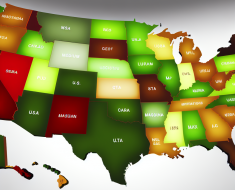
A number of states have taken proactive measures independently:
- California: Passed legislation requiring serialization on all homemade firearms since January 2020; it also mandates registration within a short period after assembly.
- New York: Enacted laws banning possession of unserialized firearms and imposing penalties for manufacturing ghost guns without compliance.
- New Jersey: Requires individuals who build their own firearms to apply for a serial number from the state police before assembly.
The effectiveness of these laws varies due to enforcement challenges and interstate trafficking issues. Nonetheless, they represent a growing trend toward recognizing ghost guns as a serious threat needing targeted legislative action.
The intersection between technology and firearm manufacturing presents unique dilemmas, as lawmakers strive to balance innovation with the need for public safety.
As legislation evolves, it will be crucial to monitor its impact on both gun violence and the rights of responsible gun owners.