The Legal Status of Antique and Replica Firearms
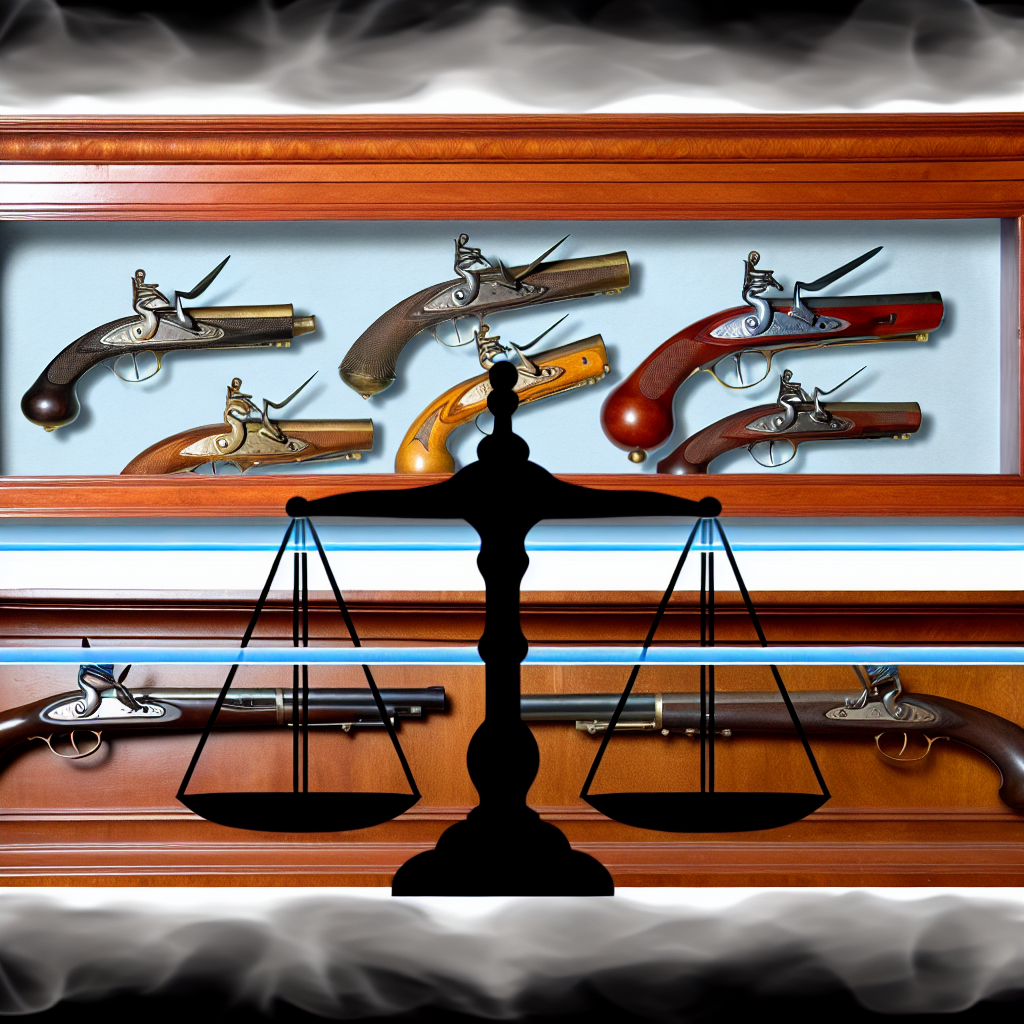
The legal landscape surrounding antique and replica firearms is complex and varies significantly across jurisdictions. These categories of firearms hold a unique place in both historical preservation and modern gun ownership debates. Understanding their legal status requires a nuanced examination of international laws, national regulations, and specific definitions that distinguish these firearms from modern weapons.
Understanding Antique and Replica Firearms: Definitions and Distinctions
Before delving into the legal frameworks, it is essential to clarify what constitutes an antique firearm and a replica firearm.
- Antique Firearms: Generally, an antique firearm is defined by its age, often being manufactured before a certain cutoff year—commonly 1898 in the United States—and no longer designed to use modern ammunition. These include muskets, flintlock pistols, and early revolvers.
- Replica Firearms: Replicas are modern reproductions of antique guns. They may be newly manufactured but mimic the design and operation of older firearms. Some replicas are functional with modern ammunition, while others may be designed for black powder or even non-firing display purposes.
The differentiation between these categories matters legally because many laws treat them differently regarding ownership, transfer, and use.
International Legal Perspectives on Antique and Replica Firearms
The regulation of antique and replica firearms differs widely around the world due to cultural values, historical contexts, and legal traditions. However, several common themes emerge in international law:
- Exemptions for Historical Artifacts: Many countries exempt genuine antiques from strict firearms regulations to preserve cultural heritage. For example, under the European Firearms Directive (Directive (EU) 2017/853), firearms manufactured before 1890 are often exempt from registration requirements.
- Replica Controls Vary: Replica firearms are typically more regulated than genuine antiques because they can often fire modern ammunition or be converted to do so. Some countries classify replicas as firearms subject to licensing or outright bans.
- Black Powder Regulations: Since many antiques use black powder rather than smokeless powder ammunition, some jurisdictions regulate black powder separately from modern cartridges.
For example, in the United Kingdom, antique firearms made before January 1, 1919, are generally exempt from licensing if they cannot fire modern ammunition. Conversely, replicas that can fire modern cartridges require standard firearm certificates.
The Legal Status of Antique Firearms in the United States
The U.S. has one of the most detailed regulatory frameworks concerning antique firearms due primarily to federal legislation under the Gun Control Act of 1968 (GCA) and subsequent amendments.
- Federal Definition: Under the GCA (18 U.S.C. § 921(a)(16)), an antique firearm is defined as any firearm manufactured before 1899 or any replica thereof that does not use conventional fixed ammunition but uses only black powder or a black powder substitute.
- Exemption from Certain Regulations: Antique firearms meeting this definition are not considered “firearms” under federal law for purposes such as licensing or background checks. This means individuals can buy or sell them without federal paperwork requirements.
- State-Level Variations: Despite federal exemptions, many states impose their own rules on antique firearms. Some states require registration or prohibit possession by certain individuals despite federal law allowing it.
A notable example involves California’s stricter laws where some antique firearms must still be registered or kept in compliance with state-specific restrictions despite their federal exemption status.
The Complexities Surrounding Replica Firearms Legislation
Replica firearms occupy a gray area legally because they blur lines between historical artifacts and functional weapons capable of use with modern ammunition.
- Treatment as Firearms: Many jurisdictions treat functional replicas as real firearms subject to licensing if they can discharge live rounds. In contrast, non-firing models are often classified as toys or collectibles with fewer restrictions.
- Bans on Imitation Guns: To prevent criminal misuse—such as robberies committed with realistic-looking guns—some countries ban or heavily regulate replicas that closely resemble actual handguns or rifles regardless of firing capability.
- Cultural Impact: In Japan, for instance, replica guns are strictly controlled under the Firearm and Sword Possession Control Law due to concerns about crime prevention despite their collectible value among enthusiasts.
A key case illustrating this complexity occurred in Australia when authorities confiscated replica Colt revolvers capable of firing black powder rounds during crackdowns on unlicensed firearm possession in the early 2000s. This case highlighted how replicas could be perceived similarly to genuine firearms under public safety considerations.
Civilian Ownership: Rights Versus Public Safety Concerns
The regulation of antique and replica firearms often balances individual rights with broader public safety concerns. Several factors influence this balance:
- Cultural Heritage Preservation: Many collectors argue for relaxed regulations on antiques to preserve history and promote education about firearm development through museums or private collections.
- Public Safety Risks: Law enforcement agencies emphasize risks associated with replicas used in crimes due to their realistic appearance. Moreover, poorly maintained antiques may pose accidental discharge hazards if improperly handled.
<