Legal Considerations When Using Self-Defense Weapons
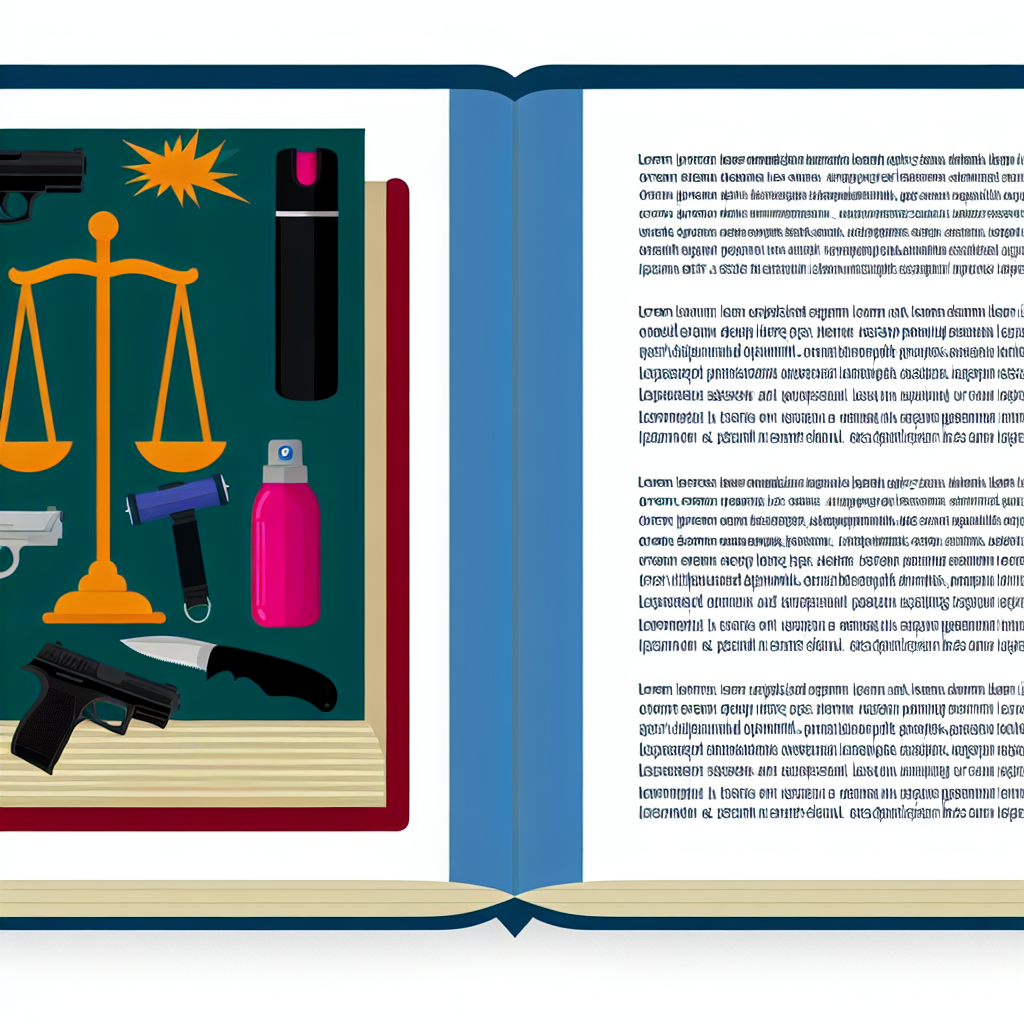
In an increasingly unpredictable world, many individuals turn to self-defense weapons to protect themselves from potential harm. From pepper spray to firearms, these tools can offer a sense of security and empowerment. However, the use of self-defense weapons comes with a complex web of legal considerations that vary widely depending on jurisdiction, the type of weapon, and the circumstances under which it is used.
This article explores the critical legal aspects surrounding self-defense weapons, providing readers with a comprehensive understanding of their rights, responsibilities, and potential legal risks. We will examine relevant laws, important case studies, and practical advice to ensure that those who carry self-defense tools do so lawfully and effectively.
Understanding the Legal Framework for Self-Defense Weapons
The foundation for any discussion about self-defense weapons lies in understanding the legal framework governing their possession and use. Laws differ not only between countries but also between states or provinces within the same country.
At its core, the law typically distinguishes between:
- Possession laws: Who can legally own or carry a particular weapon?
- Usage laws: Under what circumstances can a weapon be used for self-defense?
- Restrictions and prohibitions: What types of weapons are banned or regulated?
For example, in the United States, each state has its own set of rules regarding firearms, pepper spray, stun guns, and knives. Some states require permits or licenses to carry concealed weapons; others may ban certain items outright.
Case Study: In California, pepper spray is legal for self-defense but limited to containers holding less than 2.5 ounces. Carrying larger quantities can lead to misdemeanor charges. Meanwhile, stun guns are illegal in some states like Hawaii but legal in others like Texas.
The Principle of Proportionality: Using Reasonable Force
A key concept in self-defense law is proportionality — meaning that the force used must be reasonable and proportionate to the threat faced. This principle acts as a safeguard against excessive or unlawful violence.
When using any self-defense weapon, it is critical that the response matches the level of danger. Excessive force can lead to criminal charges such as assault or manslaughter.
- Example: If someone attempts to slap you, responding by using a firearm would likely be considered disproportionate.
- Conversely: If an attacker threatens your life with a deadly weapon, responding with lethal force may be justified.
The exact interpretation of proportionality varies by jurisdiction but generally involves consideration of factors such as:
- The immediacy and severity of the threat
- The nature of the attack (deadly vs. non-deadly force)
- The availability of alternative means to retreat or escape
Legal Restrictions on Specific Types of Self-Defense Weapons
The legality of various self-defense weapons often hinges on specific regulations tied to their nature and potential lethality. Below are common categories with notable legal considerations:
Pepper Spray and Mace
- Legal status: Generally legal in many jurisdictions but often limited in concentration strength and container size.
- Restrictions: Some places prohibit sales to minors or require permits for purchase.
- Cautions: Use should be limited strictly to defensive situations; misuse can lead to criminal charges.
Tasers and Stun Guns
- Regulation varies widely: Some states allow unrestricted possession; others require permits or ban them entirely.
- Transporting across state lines: Can lead to violations under federal laws if carried into restricted areas (e.g., airports).
Firearms
- Pervasive regulation: Firearm ownership involves background checks, licensing requirements, waiting periods, and storage laws depending on jurisdiction.
- “Stand Your Ground” vs. Duty to Retreat: Some states have laws allowing individuals to use deadly force without retreating if threatened; others impose a duty to retreat when safe.
- Civil liability risk: Beyond criminal law, improper use can result in costly civil lawsuits.
Knives and Other Bladed Weapons
- Laws often specify blade length limits or prohibit certain types like switchblades or butterfly knives.
- Certain public places may ban carrying knives entirely.
The Importance of Knowing Your Local Laws: Jurisdictional Variations
An individual’s rights concerning self-defense weapons are heavily influenced by where they live or travel. Ignorance of local laws is generally not accepted as a defense in court.
- Example: A person legally carrying pepper spray in New York might face arrest if traveling into New Jersey where pepper spray regulations are stricter.
- Example: Concealed carry permits
Example: Concealed carry permits may vary significantly from one state to another, requiring individuals to understand the specific regulations that apply to them.
Being informed about local laws is essential for anyone considering the use of self-defense weapons to avoid legal complications.