The Role of Communication in Tactical Situations
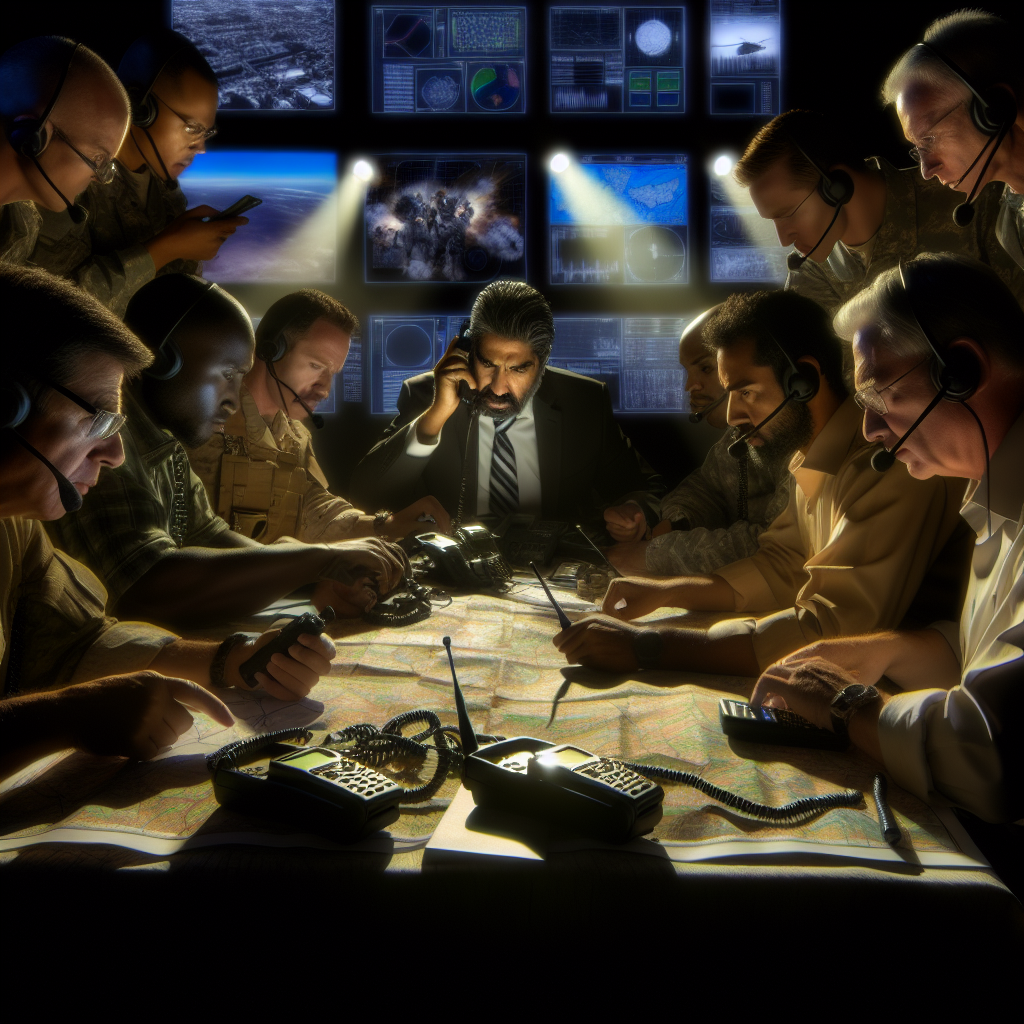
In any tactical environment, whether military, law enforcement, emergency response, or corporate crisis management, communication stands as the backbone of operational success. Effective communication can mean the difference between mission accomplishment and catastrophic failure. This article delves into the pivotal role that communication plays in tactical situations, exploring its various dimensions, challenges, and best practices through detailed analysis and real-world examples.
Understanding Tactical Communication: More Than Just Talking
Tactical communication refers to the exchange of information and instructions within teams operating under high-pressure, dynamic conditions. Unlike everyday conversations, this form of communication demands clarity, precision, brevity, and timeliness.
In tactical scenarios, the stakes are often life-and-death or involve significant operational consequences. As such:
- Messages must be concise to avoid misunderstandings.
- Information must be accurate to inform decision-making.
- Communication channels need to be secure to prevent interception by adversaries.
- Feedback loops are essential to confirm understanding and adapt plans accordingly.
For example, during military operations such as those in Afghanistan or Iraq, soldiers rely on radio communication to coordinate movements while under fire. Any delay or miscommunication can result in friendly fire incidents or missed opportunities.
The Critical Functions of Communication in Tactical Environments
Communication serves several crucial functions in tactical settings:
1. Coordination and Synchronization
Coordinated actions require a shared understanding among all team members. Communication ensures that units move in harmony, support each other effectively, and execute their roles without overlap or gaps.
2. Situational Awareness
Effective communication provides real-time updates about enemy positions, environmental hazards, or changes in mission parameters. This ongoing flow of information enhances collective situational awareness and helps anticipate threats.
3. Command and Control
Leaders rely on communication to issue orders clearly and receive reports from subordinates. This two-way flow maintains command authority while enabling adaptive decision-making based on field feedback.
4. Morale and Psychological Support
In high-stress tactical situations, communication also plays a vital role in maintaining morale by fostering trust, reassurance, and unity among team members.
Challenges of Communication in Tactical Situations
Tactical environments present unique challenges that complicate effective communication:
- Noise and Interference: Battlefield noise, equipment sounds, or environmental factors can drown out verbal messages.
- Technology Limitations: Radio jamming or signal loss can disrupt electronic communications.
- Cognitive Overload: Stress and fatigue may impair the ability to process messages accurately.
- Cultural and Language Barriers: In multinational operations or joint task forces, differences can lead to misunderstandings.
- Misinformation Risks: Enemy deception tactics might feed false information into communication channels.
A famous example illustrating these challenges is the Battle of Mogadishu (1993), where US forces faced severe coordination difficulties due to radio interference and confusion under intense urban combat conditions. The inability to maintain clear communications contributed significantly to the operation’s complications.
The Evolution of Tactical Communication Technologies
Tactical communication has evolved significantly over decades with advances in technology helping overcome many traditional barriers:
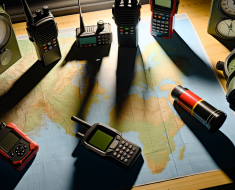
- Radio Systems: From analog radios to digital encrypted systems like SINCGARS (Single Channel Ground and Airborne Radio System), these devices have enhanced clarity and security.
- Satellite Communications (SATCOM): Enable long-range connectivity even in remote areas where terrestrial networks are unavailable.
- Drones and ISR Platforms: Provide live video feeds that supplement verbal updates with visual intelligence for commanders on the ground.
- Data Networks: Tactical data links such as Link 16 allow real-time sharing of maps, targets, and sensor data across multiple platforms simultaneously.
- Simplified User Interfaces: Wearable tech like smart helmets integrate communications with heads-up displays for hands-free operation during combat.
The US Department of Defense estimates that investments in advanced tactical communications have improved situational awareness by up to 40% during joint operations over the past two decades. However, reliance on technology also introduces new vulnerabilities such as cyberattacks which require robust cybersecurity protocols integrated into communication systems.
Tactical Communication Strategies: Best Practices for Success
A number of strategies have been developed through experience that optimize communication effectiveness during tactical missions:
- SOPs (Standard Operating Procedures): Pre-established protocols for messaging formats reduce ambiguity (e.g., NATO phonetic alphabet usage).
- Brevity Codes: Using concise codes saves time—“Tango Mike” for “Thank you very much” or “Code Red” indicating immediate danger.
- Redundancy: Employing multiple channels (radio plus hand signals) ensures message delivery even if one method fails.
- Mental Rehearsal & Training: Regular drills build muscle memory for rapid message encoding/decoding under
stressful conditions, enhancing overall team coordination and response times.
Effective communication is crucial for success in tactical situations, ensuring clarity and efficiency in high-pressure environments.