How to Train for Tactical Situations with Limited Time
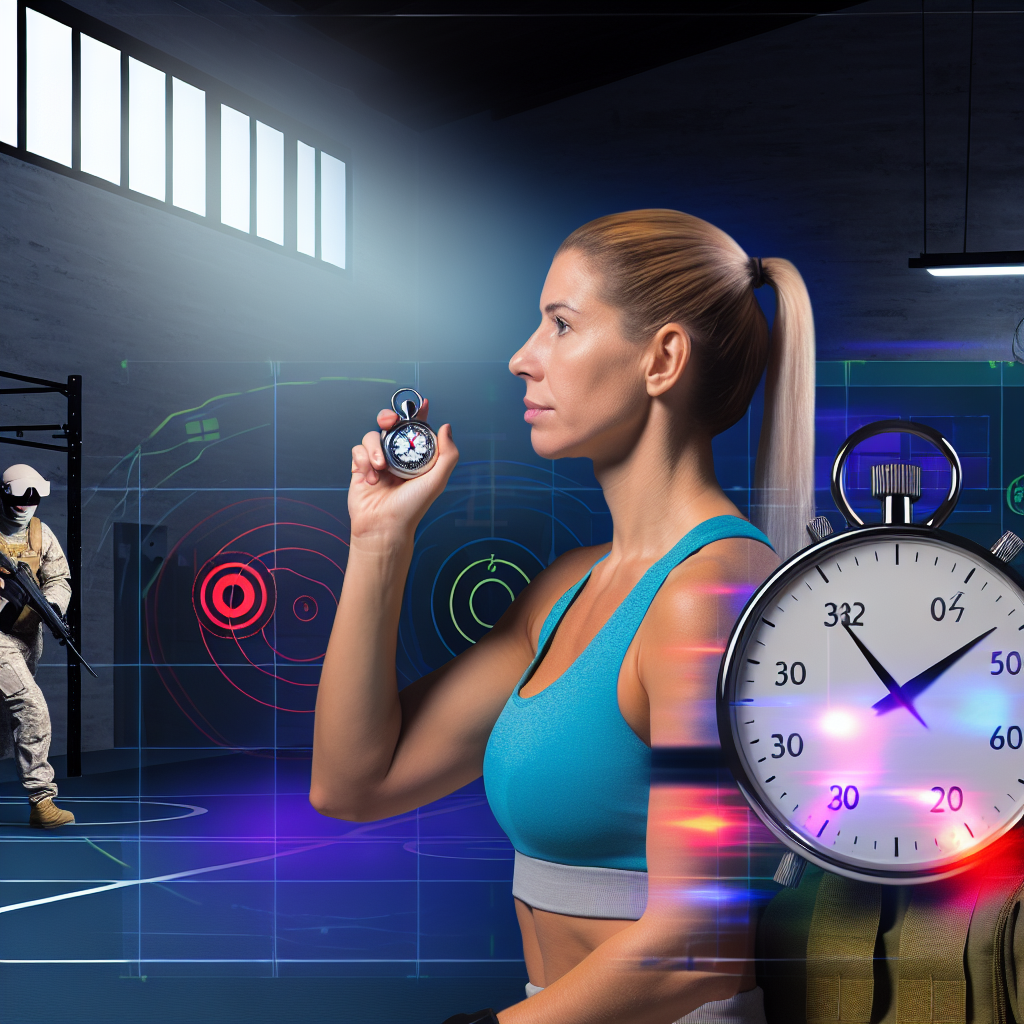
In today’s fast-paced world, many professionals and enthusiasts find themselves needing to prepare for tactical situations without the luxury of extensive training periods. Whether you are a law enforcement officer, military personnel, security professional, or a civilian interested in self-defense, effective training under time constraints is crucial. Tactical readiness requires not just physical skills but mental acuity, decision-making speed, and stress management. This article explores how to maximize your training outcomes when time is limited, providing practical strategies backed by research and real-world examples.
The Importance of Tactical Training and the Challenge of Limited Time
Tactical training encompasses a broad range of skills—from firearms proficiency and close-quarters combat to situational awareness and crisis decision-making. The stakes are high: in critical moments, your ability to respond correctly can mean the difference between life and death.
However, many individuals face significant barriers such as busy schedules, limited access to training facilities, or budgetary constraints that limit training time. According to a 2022 survey by the National Tactical Officers Association (NTOA), nearly 60% of officers reported insufficient time for regular tactical drills due to operational demands.
Despite these challenges, it is possible to develop or maintain tactical competencies efficiently. The key lies in focused, intelligent training that leverages scientific principles of learning and adaptation.
Prioritize Core Skills with High Impact
When time is scarce, prioritization becomes your most valuable tool. Instead of attempting to train every possible skill area superficially, focus on core competencies that offer the highest return on investment.
- Situational Awareness: The foundation of all tactical operations is knowing your environment and potential threats. Enhancing this skill sharpens your ability to anticipate danger and react appropriately.
- Decision-Making Under Stress: Tactical situations rarely allow for lengthy deliberation. Training should simulate stress conditions to improve quick thinking and judgment.
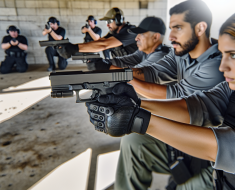
- Weapon Handling Fundamentals: Mastery of basic marksmanship and safe weapon handling can save lives. Even short sessions focusing on grip, stance, sight alignment, and trigger control can yield improvements.
- Movement and Cover Utilization: Learning how to move tactically—using cover effectively while minimizing exposure—is essential in hostile environments.
By focusing on these areas first, you ensure that limited training time builds a solid foundation upon which more advanced skills can be layered as time permits.
Utilize High-Intensity Interval Training (HIIT) for Physical Conditioning
Tactical readiness demands not only mental sharpness but also physical fitness tailored toward explosive power, endurance under load, and agility. Traditional long-duration workouts may be impractical with tight schedules; instead, high-intensity interval training (HIIT) offers an efficient alternative.
A study published in the Journal of Strength and Conditioning Research (2021) found that HIIT programs lasting just 20 minutes per session improved cardiovascular fitness and muscular endurance comparably to longer moderate-intensity workouts.
- Sprint Intervals: Short bursts (20-30 seconds) of sprinting followed by rest periods enhance anaerobic capacity vital for sudden bursts of action during engagements.
- Functional Movements: Incorporate bodyweight exercises such as push-ups, burpees, lunges, and planks into intervals to build tactical strength relevant for dynamic movements.
- Weighted Carries: Farmer’s carries or rucksack marches simulate load-bearing scenarios common in tactical operations.
This approach allows trainees to maximize cardiovascular conditioning while developing strength specific to tactical demands within minimal timeframes.
Leverage Simulation-Based Training for Cognitive Skills
Cognitive performance under pressure is often what distinguishes successful tactical operators from others. Simulation-based training using virtual reality (VR), video scenarios, or live role-play exercises can accelerate learning in decision-making and threat recognition without requiring extensive physical setup or travel.
A case study conducted by the U.S. Army Research Institute demonstrated that soldiers exposed to VR-based combat simulations showed a 30% faster reaction time in real-world exercises compared to traditional classroom instruction alone.
- Shoot/No-Shoot Drills: Utilize digital targets or apps that present rapid threat assessment challenges requiring split-second decisions.
- Tactical Communication Scenarios: Practice radio discipline and verbal commands through role-playing or recorded simulations.
- Mental Rehearsal Techniques: Use visualization methods where trainees mentally walk through operations step-by-step to reinforce neural pathways associated with correct responses.
This type of cognitive conditioning complements physical training perfectly when time is constrained since it can be done independently or remotely using technology platforms.
Create Micro-Training Sessions with Clear Objectives
The concept of “micro-training” involves breaking down complex skills into small segments practiced repeatedly over short periods—sometimes just five or ten minutes daily. This method exploits the principle of spaced repetition known from educational psychology as an effective way to build long-term retention even with limited overall practice hours.
- Define Specific Goals: Each micro-session should target one discrete skill—for example: reloading drills with a handgun or clearing doorways safely during room entry drills.
- Short but Focused Practice: Even
Short but focused practice can yield significant improvements in skill acquisition, allowing for effective training even within tight schedules. By maintaining a consistent routine and setting clear goals, you can maximize your training efficiency.