How to Use Tactical Gear in Low-Light Conditions
Tactical gear is designed to provide an edge in challenging environments, and low-light conditions represent one of the most demanding scenarios for its effective use. Whether you are a law enforcement officer, military personnel, outdoor enthusiast, or security professional, understanding how to maximize the utility of your tactical equipment in dim or no-light situations is critical for operational success and personal safety. This article explores best practices, essential gear features, and real-world examples that will help you optimize your performance when visibility is limited.
The Importance of Tactical Gear in Low-Light Environments
Low-light conditions—ranging from twilight and dusk to complete darkness—pose unique challenges that can impair vision, situational awareness, and decision-making. According to a 2020 study by the National Institute of Justice, over 60% of law enforcement critical incidents occur during nighttime or low-visibility hours. Tactical gear specifically engineered for these conditions can significantly enhance the ability to navigate, identify threats, communicate effectively, and maintain operational control.
Using the right equipment effectively not only improves individual performance but also increases team coordination and mission success rates. For instance, night vision devices (NVDs), infrared illuminators, and weapon-mounted lights allow users to detect targets and obstacles without giving away their position unnecessarily. Additionally, specialized apparel and accessories help maintain mobility while offering protection.
Essential Tactical Gear for Low-Light Operations
The foundation of effective use lies in choosing appropriate gear tailored for low-light scenarios. Here are some indispensable items:
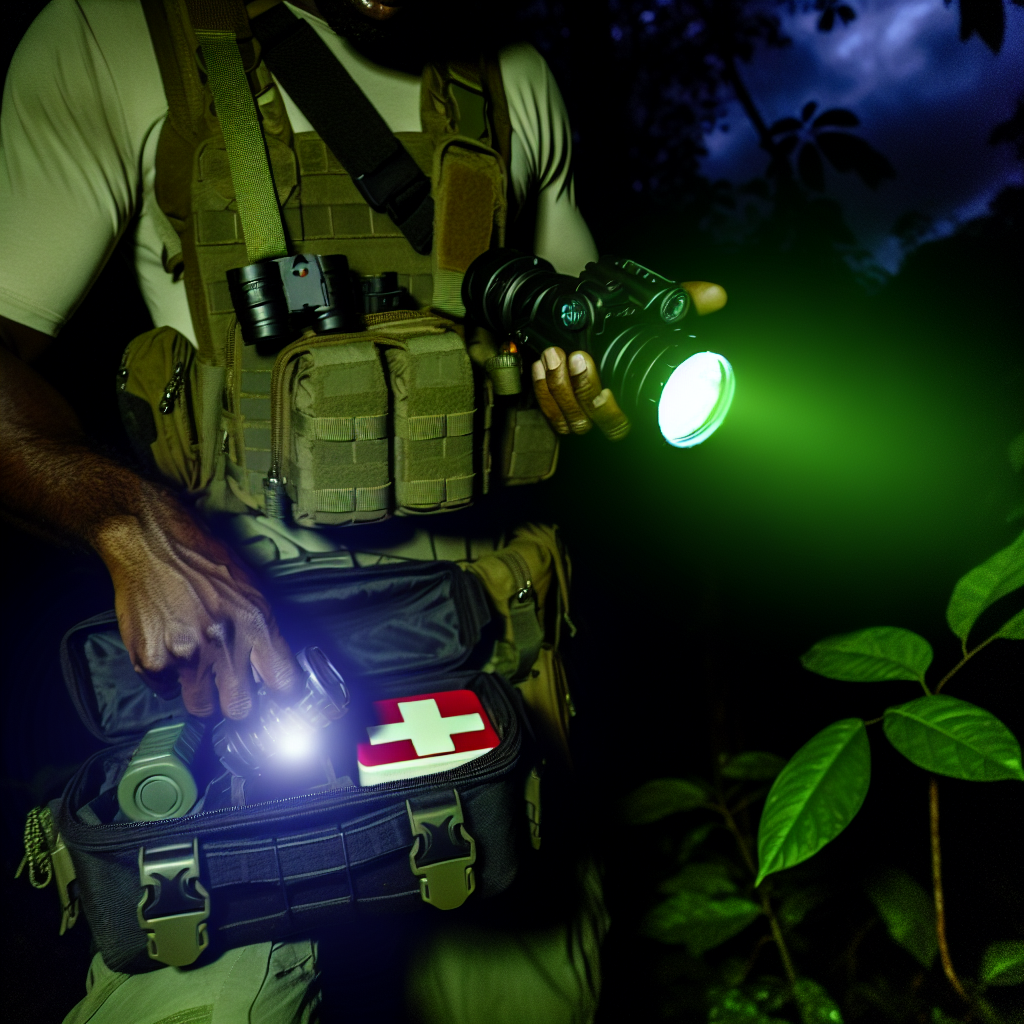
- Night Vision Devices (NVDs): These include goggles and monoculars that amplify ambient light or use infrared technology to provide clear imagery in near-total darkness.
- Weapon-Mounted Lights: Flashlights attached to firearms offer instant illumination on demand. Models with strobe or adjustable brightness settings increase versatility.
- Infrared (IR) Lasers and Illuminators: IR lasers enable aiming without visible light; IR illuminators enhance night vision device performance by illuminating targets with infrared light invisible to the naked eye.
- Tactical Flashlights: Handheld lights with high lumens output and rugged construction serve as multipurpose tools for navigation and signaling.
- Glow-in-the-Dark or Reflective Markings: These help quickly identify team members or equipment without using active light sources.
- Low-Profile Headlamps: Hands-free lighting solutions that keep the operator’s hands free while providing focused beams.
The integration of these tools into your tactical loadout should be based on mission parameters such as expected threat level, environment type (urban vs. wilderness), and duration of operation.
Techniques for Using Tactical Gear Effectively in Low-Light Conditions
Possessing high-quality equipment alone is not sufficient; proficiency in using it tactically is paramount. Below are key techniques supported by training protocols from elite units such as the U.S. Special Forces and SWAT teams:
- Maintaining Light Discipline: Avoid exposing yourself by minimizing unnecessary light use. Use momentary activation modes on weapon lights to prevent giving away your position.
- Sweeping and Scanning Techniques: When using flashlights or NVDs, employ slow sweeping motions instead of sudden bursts to reduce eye strain and avoid disorientation.
- Proper Grip and Handling: Ensure you have a firm grip on weapon-mounted devices so they don’t affect your shooting accuracy or mobility.
- Tactical Communication: Use hand signals enhanced with glow sticks or IR markers to silently coordinate with team members when verbal communication isn’t viable.
- Navigating Terrain Safely: Combine tactile feedback (such as compass or GPS) with illumination tools to avoid hazards like tripwires or uneven ground during night operations.
A case study conducted by the FBI Training Academy revealed that agents trained extensively in low-light shooting techniques with weapon-mounted lights improved target acquisition speed by over 40%, compared to those relying solely on traditional flashlights.
The Role of Night Vision Technology: Types and Best Practices
Night vision technology has revolutionized low-light tactical operations by extending visual capabilities beyond natural limits. Understanding different types helps users select appropriate devices according to mission needs:
- Image Intensification Devices (Gen I-IV): These amplify existing ambient light such as moonlight or starlight. Higher generation devices provide clearer images with less distortion but are more expensive.
- Thermal Imaging: Unlike image intensifiers, thermal devices detect heat signatures emitted by living beings or machinery. They are effective even in total darkness or through smoke/fog but may lack fine detail clarity.
- Duo Systems: Some advanced systems combine both image intensification and thermal imaging for comprehensive situational awareness across various conditions.
Best Practices for Night Vision Use Include:
- Avoid sudden bright light exposure which can temporarily blind night vision devices.
- Regularly clean lenses with proper materials to maintain image clarity.
- Practice adjusting gain settings according to ambient conditions to reduce image noise.
-
If operating as part of a team, ensure that all members are equipped with compatible night vision devices to maintain effective communication and coordination in low-light scenarios.
Utilizing the right tactical gear in low-light conditions can significantly enhance operational effectiveness and safety.