Essential First Aid for Tactical Scenarios
In high-stress tactical environments—whether on the battlefield, during law enforcement operations, or in emergency response situations—effective first aid can be the difference between life and death. The unpredictable nature of these scenarios demands rapid, decisive action paired with specialized medical knowledge tailored to combat or hostile environments. This article delves into the critical components of first aid for tactical scenarios, offering practical guidance, real-world examples, and evidence-based strategies to empower responders in high-risk situations.
Understanding Tactical First Aid: Beyond Conventional Medicine
Tactical first aid differs significantly from standard emergency medical care primarily due to the environment and context in which it is administered. Unlike civilian EMS settings where safety is generally assured before treatment begins, tactical responders often provide care under fire or in hostile conditions where threats are ongoing.
The primary objective of tactical first aid is to stabilize casualties sufficiently to allow evacuation to higher levels of care while minimizing risk to both the patient and responder. This approach is guided by the principles of Tactical Combat Casualty Care (TCCC), developed by the U.S. Department of Defense and now widely adopted by military and civilian tactical teams worldwide.
- Care Under Fire: Provide immediate interventions while still under threat.
- Tactical Field Care: Care rendered once the casualty and medic are no longer under direct fire but still in a potentially hostile environment.
- Tactical Evacuation Care: Medical care during casualty transport to advanced medical facilities.
Understanding these phases helps prioritize actions and resources effectively during each stage of treatment.
Key First Aid Techniques for Tactical Scenarios
Given the unique challenges posed by tactical environments, responders must master specific first aid techniques designed to address common combat-related injuries such as severe hemorrhage, airway obstruction, and tension pneumothorax. Below are essential skills every tactical medic or trained operator should know:
1. Hemorrhage Control
Uncontrolled bleeding remains the leading cause of preventable death on the battlefield. According to a study published in The Journal of Trauma and Acute Care Surgery, up to 90% of battlefield deaths from potentially survivable wounds are due to hemorrhage.
- Tourniquets: Immediate application of a tourniquet proximal to the wound can rapidly stop arterial bleeding. Modern tourniquets such as the Combat Application Tourniquet (CAT) have proven highly effective when applied correctly within two minutes of injury.
- Hemostatic Dressings: These are impregnated with agents like kaolin that accelerate clotting when applied directly to bleeding wounds not amenable to tourniquet use.
- Packing Wounds: Deep wounds may require aggressive packing with gauze before applying pressure dressings.
A notable example illustrating successful hemorrhage control was during Operation Anaconda in Afghanistan (2002), where rapid tourniquet use saved numerous lives amidst intense combat conditions.
2. Airway Management
An open airway is critical for survival; obstruction can quickly lead to hypoxia and death. Tactical responders should be proficient with:
- The Head-Tilt/Chin-Lift Maneuver: The simplest technique for opening an airway when spinal injury is not suspected.
- Jaw-Thrust Maneuver: Preferred if spinal injury cannot be ruled out.
- Nasal or Oropharyngeal Airway Adjuncts: These devices help maintain airway patency when patients are unconscious but breathing spontaneously.
A case study from a Special Forces operation highlighted how prompt airway intervention prevented asphyxiation after blast injuries caused maxillofacial trauma.
3. Treatment of Tension Pneumothorax
Tension pneumothorax—a life-threatening accumulation of air in the pleural space causing lung collapse—is common in penetrating chest trauma. Left untreated, it leads rapidly to respiratory failure and cardiac arrest.
- Recognition: Signs include respiratory distress, absent breath sounds on one side, distended neck veins, hypotension, and tracheal deviation (late sign).
- Narcosis Decompression: Needle thoracostomy using a large-bore needle inserted into the second intercostal space at the midclavicular line can relieve pressure temporarily until definitive care.
- Chest Seal Application: For open chest wounds, vented or non-vented chest seals prevent air entry while allowing trapped air to escape.
The U.S. military’s experience during Iraq and Afghanistan conflicts showed that early recognition and needle decompression reduced mortality rates associated with chest injuries by over 25% according to Defense Health Agency reports.
The Importance of Training and Equipment Readiness
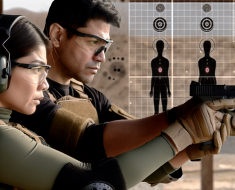
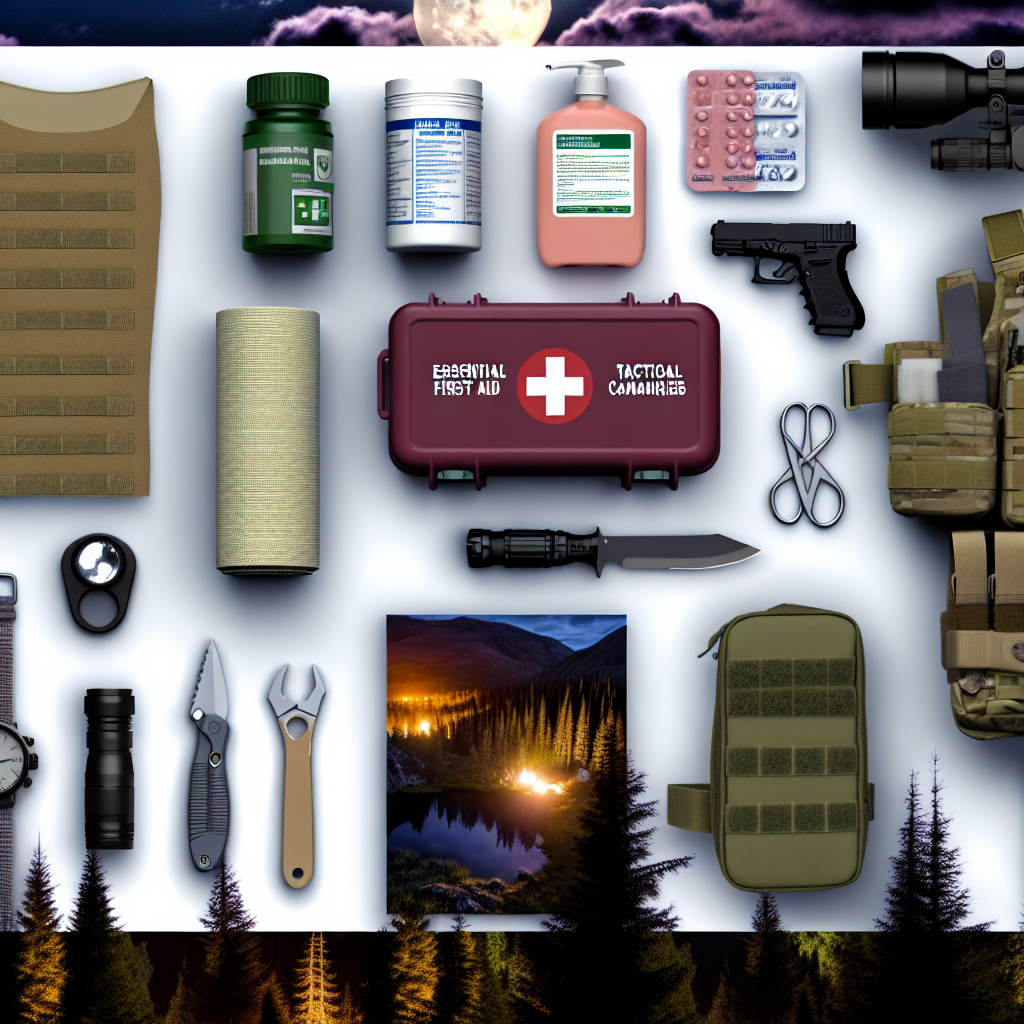
Tactical first aid effectiveness hinges on rigorous training combined with readily accessible equipment tailored for combat environments. Training programs like TCCC courses emphasize scenario-based learning that replicates real-life combat injuries under stress conditions—improving both technical skills and decision-making speed.
- Regular Drills: Frequent practice reinforces muscle memory for critical procedures like tourniquet application or needle decompression under duress.
<