How to Choose the Right Tactical Backpack
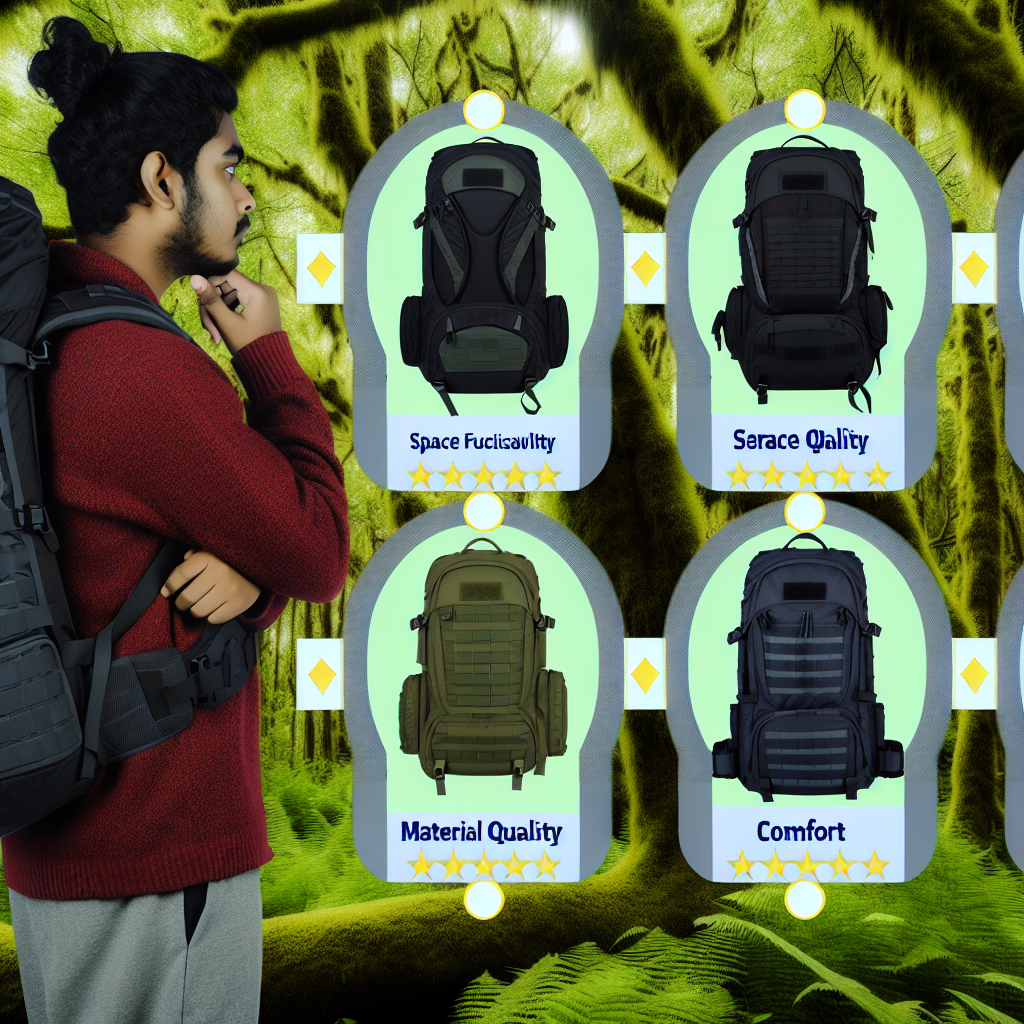
Choosing the right tactical backpack can be a daunting task, especially with the vast array of options available on the market. Whether you’re a military professional, an outdoor enthusiast, a survivalist, or someone who simply appreciates rugged and functional gear, selecting a tactical backpack that suits your needs is essential. A well-chosen backpack can significantly enhance your mobility, comfort, and preparedness in various scenarios.
This comprehensive guide will help you understand the critical factors to consider when choosing a tactical backpack. We will explore design features, capacity considerations, material durability, comfort aspects, and much more. Additionally, we’ll incorporate real-world examples and statistics to help you make an informed decision.
Understanding What Makes a Backpack Tactical
Before diving into specifics on how to choose the right tactical backpack, it’s important to define what “tactical” means in this context.
A tactical backpack is designed primarily for functionality, durability, and adaptability in demanding environments. Unlike casual backpacks or travel bags, tactical packs are built to endure tough conditions and provide easy access to gear through organized compartments and modular attachment points.
- Durability: Tactical backpacks typically use high-denier nylon or polyester fabrics such as 500D or 1000D Cordura for abrasion resistance.
- Modularity: Many feature MOLLE (Modular Lightweight Load-carrying Equipment) webbing systems that allow users to attach pouches and accessories as needed.
- Organization: Multiple compartments and specialized pockets help keep gear accessible and well-organized.
- Comfort: Padded straps, adjustable harnesses, and breathable mesh panels aid in carrying heavy loads comfortably for extended periods.
The tactical backpack market has grown exponentially in recent years. According to a report by Grand View Research (2023), the global outdoor backpack market size was valued at over $5 billion USD with tactical backpacks making up a significant portion due to increased demand from military personnel, law enforcement agencies, and outdoor adventurers.
Key Features to Consider When Choosing a Tactical Backpack
Selecting the right tactical backpack involves evaluating several features that directly impact its utility. Below are some critical factors you should assess before making your purchase:
1. Size and Capacity
The size of your tactical backpack should correspond with its intended use. Backpacks are generally measured in liters (L), indicating their volume capacity.
- Small Packs (15-25L): Ideal for day hikes, urban carry, or short missions where minimal gear is required.
- Medium Packs (30-50L): Suitable for multi-day trips or situations requiring more equipment like hydration systems or extra clothing.
- Large Packs (50+ L): Best for extended missions or survival situations where you need to carry bulky items such as sleeping bags or additional supplies.
A good example is the 5.11 Rush series backpacks which come in various sizes ranging from 12L to 72L. Their Rush12 is perfect for everyday carry (EDC) while the Rush72 caters to longer expeditions needing maximum capacity.
2. Material and Durability
The construction material affects not only longevity but also resistance against water and abrasion. Common materials used include:
- Cordura Nylon: Known for superior abrasion resistance; commonly rated at 500D or 1000D denier for heavy-duty packs.
- Polyester: More affordable but generally less durable than Cordura; often treated with water-resistant coatings.
- Ripstop Fabrics: Feature reinforced threads woven into fabric grids that prevent tearing from spreading—ideal for rough terrain use.
An interesting case study from military gear testers found that backpacks made with 1000D Cordura lasted twice as long under rigorous field conditions compared to those made from standard polyester fabrics (U.S. Army Research Laboratory Report, 2022).
3. Comfort and Ergonomics
A tactical backpack is often worn for hours while carrying heavy loads — making comfort paramount. Look out for these ergonomic features:
- Padded Shoulder Straps: Wide and adjustable straps distribute weight evenly across shoulders preventing strain.
- Sternum Straps: Help stabilize the pack during movement reducing bouncing effect.
- Padded Hip Belts: Transfer weight from shoulders to hips improving balance especially on long treks.
- Ventilated Back Panels: Mesh panels promote airflow reducing sweat accumulation on hot days.
The Mystery Ranch brand incorporates innovative load-bearing suspension systems that have been praised by both military users and hikers alike for enhanced comfort under extreme load conditions — highlighting how ergonomic design can improve user experience dramatically.
The Importance of Organizational Features
Tactical backpacks excel in organization through multiple compartments and MOLLE attachment points allowing customization based on mission requirements or personal preferences.
- Main Compartment: Should be spacious enough with internal dividers or compression straps to secure bulky gear like laptops or clothing.
-
MOLLE attachment points allow customization based on mission requirements or personal preferences.
Choosing the right tactical backpack can significantly enhance your outdoor experience and efficiency.