How to Use Dry Fire Training for Competitive Edge
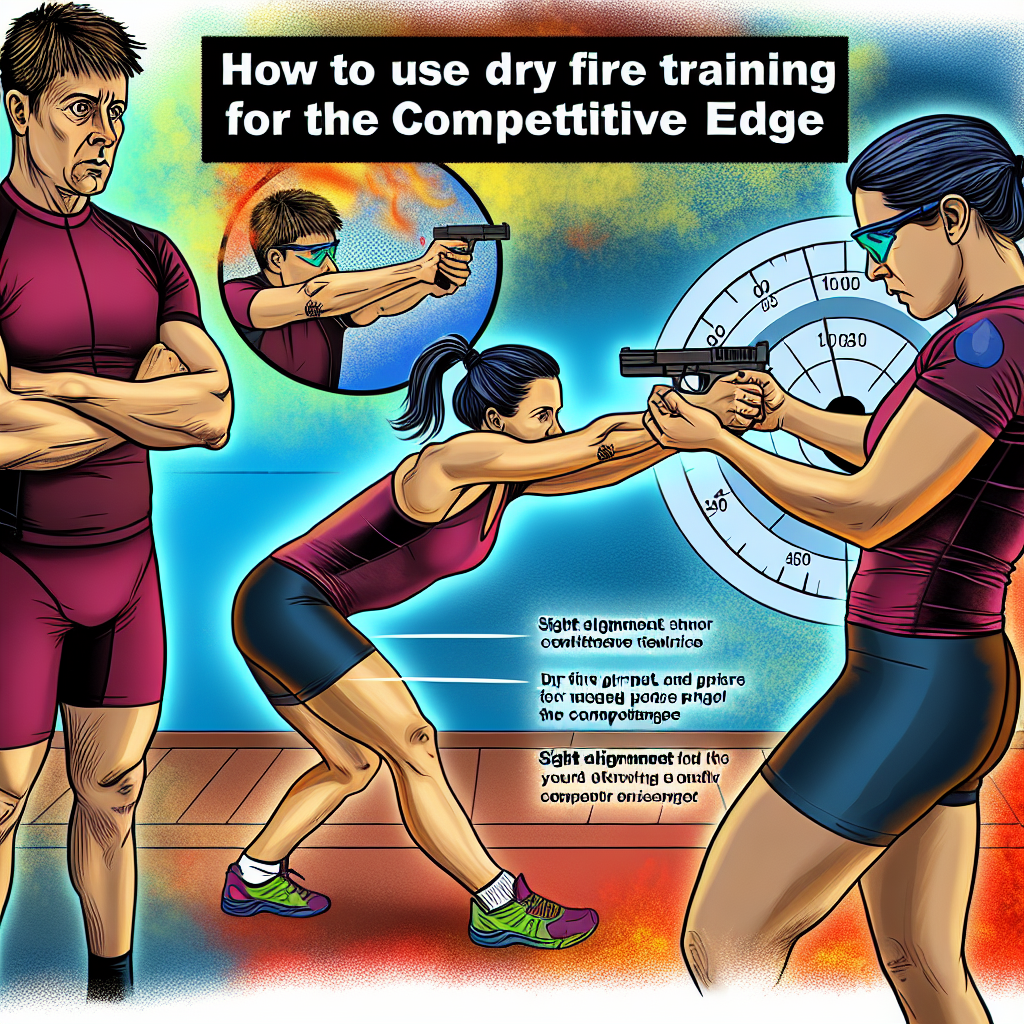
In the highly competitive world of shooting sports, every fraction of a second and every millimeter counts. Whether you are a professional marksman, a law enforcement officer, or an enthusiastic competitor, refining your skills consistently is crucial. One of the most effective yet underutilized methods to improve shooting accuracy and speed is dry fire training. This practice involves simulating firearm use without live ammunition, allowing shooters to hone their techniques safely and efficiently.
This article delves deep into how dry fire training can provide a competitive edge, offering practical tips, scientific insights, and real-world examples to help you integrate this powerful tool into your regimen.
What Is Dry Fire Training and Why It Matters
Dry fire training refers to practicing trigger control, sight alignment, draw stroke, and other firearm handling skills without live rounds. Essentially, it’s “firing” an unloaded gun or a training device that mimics the weapon’s mechanics.
This method has several advantages:
- Safety: Eliminates the risk of accidental discharge during practice.
- Convenience: Can be done anywhere—at home, at the range without firing live rounds, or even in small spaces.
- Cost-effectiveness: Reduces ammunition expenditure and wear on firearms.
- Muscle memory development: Reinforces proper mechanics through repetition.
According to research conducted by the National Shooting Sports Foundation (NSSF), dry fire practice can improve trigger control by up to 30% when combined with live-fire training. Competitive shooters often report faster draw times and more consistent shot placement after incorporating dry fire drills into their routine.
Key Components of Effective Dry Fire Training
To maximize dry fire’s benefits, it’s important to focus on several fundamental aspects of firearm handling:
Sight Alignment and Sight Picture
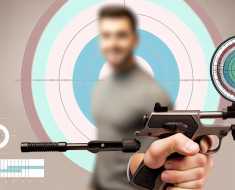
The foundation of accurate shooting lies in aligning the front and rear sights properly. Dry fire allows shooters to repeatedly practice this alignment without distractions from recoil or noise. Using laser training tools such as the SIRT pistol or laser inserts can provide immediate visual feedback on sight picture accuracy.
Trigger Control
Poor trigger control leads to jerking shots off target. Dry firing enables shooters to develop a smooth trigger press while maintaining sight alignment. Emphasizing a slow, controlled press rather than a quick snap helps build muscle memory for consistent shot breaks.
Draw and Presentation
The speed and fluidity with which you draw your firearm from its holster directly impact competitive performance. Dry fire drills focused on drawing under time pressure help improve reaction times and eliminate wasted motion during presentation.
Follow-Through and Reset
Training follow-through—maintaining proper sight alignment after pressing the trigger—and trigger reset—feeling when the trigger has fully reset for the next shot—are critical for rapid-fire stages in competition. These subtle skills can be practiced repeatedly without ammunition through dry fire sessions.
How to Structure Your Dry Fire Training Sessions
A well-organized dry fire routine ensures that practice time is efficient and productive. Here are some guidelines for structuring your sessions:
- Set clear goals: Identify specific skills you want to improve each session (e.g., draw speed or trigger control).
- Create drills with measurable outcomes: Use timers or shot tracking apps for feedback.
- Limit distractions: Choose a quiet space where you can focus entirely on technique.
- Start slow: Accuracy should always precede speed; begin with deliberate movements before increasing tempo.
- Add progressive difficulty: Incorporate movement, multiple targets (using target cards or apps), or transitions between targets as proficiency improves.
- Mental rehearsal: Visualize successful shots during your dry fire practice for enhanced cognitive reinforcement.
A typical session might include 20-30 minutes focusing on draws and presentations followed by another 20 minutes emphasizing trigger control drills with laser feedback devices. As you advance, add complexity by simulating competition scenarios such as engaging multiple targets quickly or transitioning between shooting positions.
The Science Behind Dry Fire Training: Building Muscle Memory & Neural Pathways
The effectiveness of dry fire training is rooted in neuroplasticity—the brain’s ability to rewire itself based on repeated experiences. When you perform repetitive motor tasks like aiming and pressing the trigger correctly during dry fire drills, your brain strengthens synaptic connections related to those actions.
This process creates muscle memory, enabling faster reaction times under stress without conscious thought. A study published in the Journal of Motor Behavior found that mental rehearsal combined with physical practice significantly improves skill acquisition compared to physical practice alone—a principle directly applicable when pairing visualization with dry fire exercises.
Moreover, dry firing minimizes sensory overload common during live firing sessions (recoil shock, noise), allowing shooters to focus purely on precision mechanics which translates into improved performance once live rounds are introduced again.
Case Studies: Competitive Shooters Who Benefited From Dry Fire Training
The Rise of Max Michel Jr.—A Champion’s Approach
Max Michel Jr.
, one of USPSA’s top competitors with multiple world championships under his belt, credits dry fire training as a key element in honing his skills and maintaining a competitive edge. Incorporating these techniques into your routine can lead to significant improvements in your shooting performance.