How to Select Tactical Clothing for Maximum Mobility
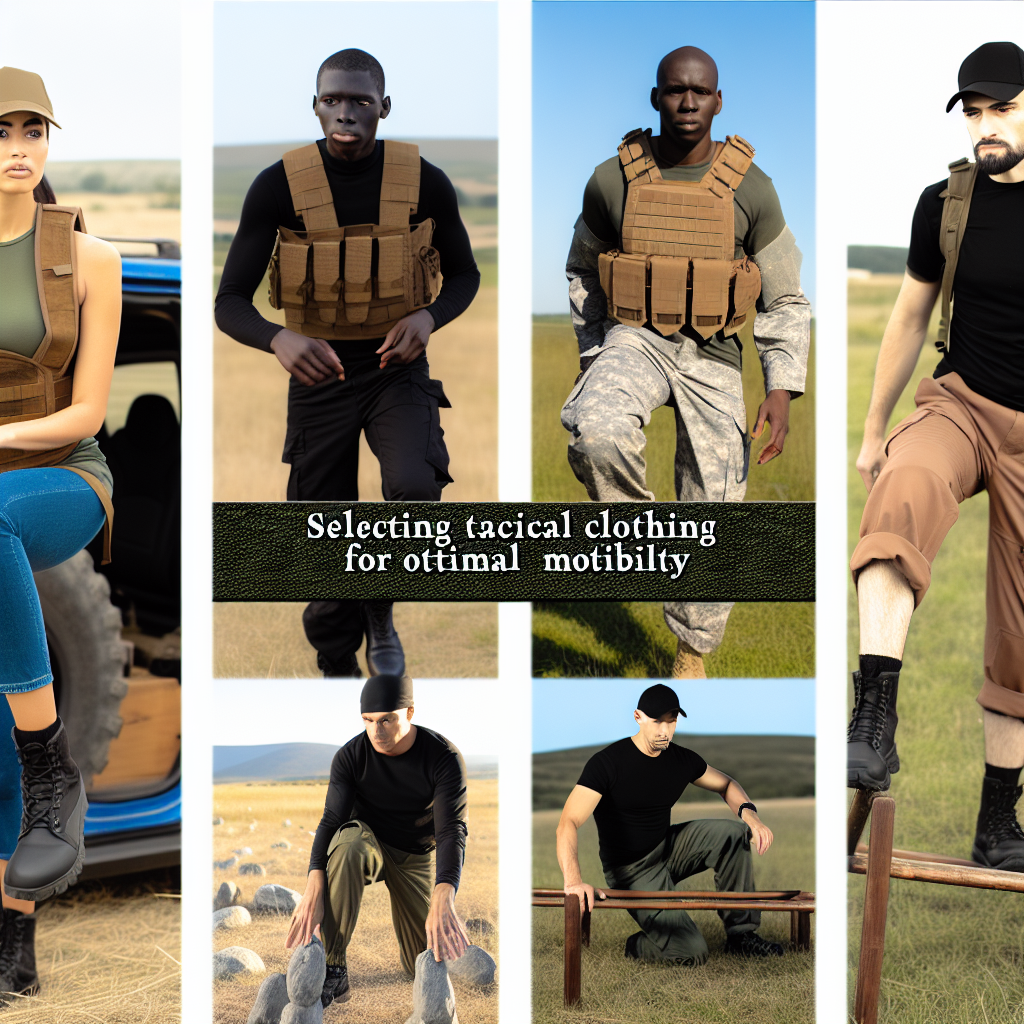
Tactical clothing is a critical component for professionals and enthusiasts who require both protection and freedom of movement in demanding environments. Whether you are a military operative, law enforcement officer, outdoor adventurer, or simply someone who values durable and functional apparel, selecting the right tactical clothing can significantly impact your performance. This article explores how to choose tactical clothing that maximizes mobility without compromising durability and protection.
Understanding the Importance of Mobility in Tactical Clothing
Mobility is arguably the most essential attribute in tactical clothing. When engaged in physically demanding tasks—such as running, climbing, crouching, or quickly changing positions—the ability to move unrestricted can be the difference between success and failure. Tactical clothing that restricts movement can cause fatigue, slow reaction times, and increase the risk of injury.
Studies have shown that restrictive clothing increases energy expenditure by up to 20%, which can degrade endurance during prolonged operations (Journal of Sports Sciences, 2019). Therefore, it’s imperative to choose tactical gear designed with movement efficiency as a priority.
Key Features to Look For in Tactical Clothing for Maximum Mobility
Selecting tactical clothing requires understanding specific features that contribute to enhanced mobility. Below are some critical aspects to consider:
- Material Composition: Fabrics such as ripstop nylon blends and stretchable polycotton offer both durability and flexibility. Look for materials with elastane or spandex components that allow for a four-way stretch.
- Ergonomic Design: Clothing tailored with articulated knees, gusseted crotches, and pre-shaped elbows reduce fabric bunching and restriction during dynamic movements.
- Weight and Breathability: Lightweight fabrics improve agility and reduce fatigue. Breathable materials like mesh panels or moisture-wicking technology help maintain comfort during intense activity.
- Durability vs. Flexibility Balance: While heavy-duty fabrics provide protection against abrasions and tears, overly stiff materials can hinder movement. Choose fabrics that strike a balance between toughness and flexibility.
- Fit and Sizing: Proper fit is crucial; too tight restricts movement while too loose can snag on obstacles or gear. Adjustable waistbands and cuffs aid in achieving a secure but comfortable fit.
The Role of Fabric Technology in Enhancing Mobility
The evolution of textile technology has transformed tactical clothing from bulky uniforms into high-performance gear optimized for mobility. Modern tactical apparel incorporates several advanced fabric technologies:
- Four-Way Stretch Fabric: Unlike traditional two-way stretch fabrics that extend only along one axis, four-way stretch materials allow expansion both horizontally and vertically. This enhances comfort during multi-directional movements.
- Moisture-Wicking Properties: Fabrics engineered to pull sweat away from the skin keep the wearer dry and reduce chafing—a vital factor when on prolonged missions.
- Abrasion-Resistant Coatings: Durable water repellent (DWR) finishes protect against environmental elements without sacrificing fabric flexibility.
- Lightweight Ripstop Weaves: These fabrics resist tearing while remaining light enough to facilitate swift movement. Ripstop patterns also prevent small rips from becoming larger tears during strenuous activities.
An example is Crye Precision’s G3 Combat Uniform which integrates a blend of nylon and cotton with four-way stretch panels at key stress points like knees and elbows. Field tests with special operations units demonstrated improved range of motion and reduced fatigue compared to previous uniform generations (Crye Precision Field Report, 2021).
Design Elements That Promote Freedom of Movement
The structural design of tactical clothing plays an equally important role as fabric choice in maximizing mobility. Here are some design features commonly incorporated into high-performance tactical gear:
- Articulated Joints: Pre-bent sleeves and knees mimic natural body positions allowing easier bending without fabric strain or bunching.
- Crotch Gussets: An extra panel sewn into the crotch area provides additional room for leg spread or squatting motions without tearing seams.
- Pleated Pockets: Expandable pockets prevent items from restricting limb movements when fully loaded.
- Laminated Seams: Flatlock or bonded seams reduce bulk inside garments preventing chafing during repetitive motions.
- Zippered Vents or Mesh Panels: Strategically placed vents improve airflow without compromising structural integrity, keeping the wearer cool during intense exertion.
The US Army’s Operational Camouflage Pattern (OCP) uniform incorporates many such features based on soldier feedback. Soldiers reported enhanced agility during training exercises after transitioning from earlier uniform models lacking these ergonomic improvements (US Army Research Institute Report, 2020).
Sizing Tips: Balancing Comfort with Practicality
Tactical clothing sizing goes beyond standard measurements because it must accommodate additional equipment like body armor or utility belts while maintaining mobility. Consider the following tips when selecting size:
- Aim for a Tailored Fit: Avoid overly baggy clothes which can snag on obstacles or interfere with weapon handling but ensure there is enough room for underlayers if necessary.</