What to Expect at Your First Competitive Shooting Event
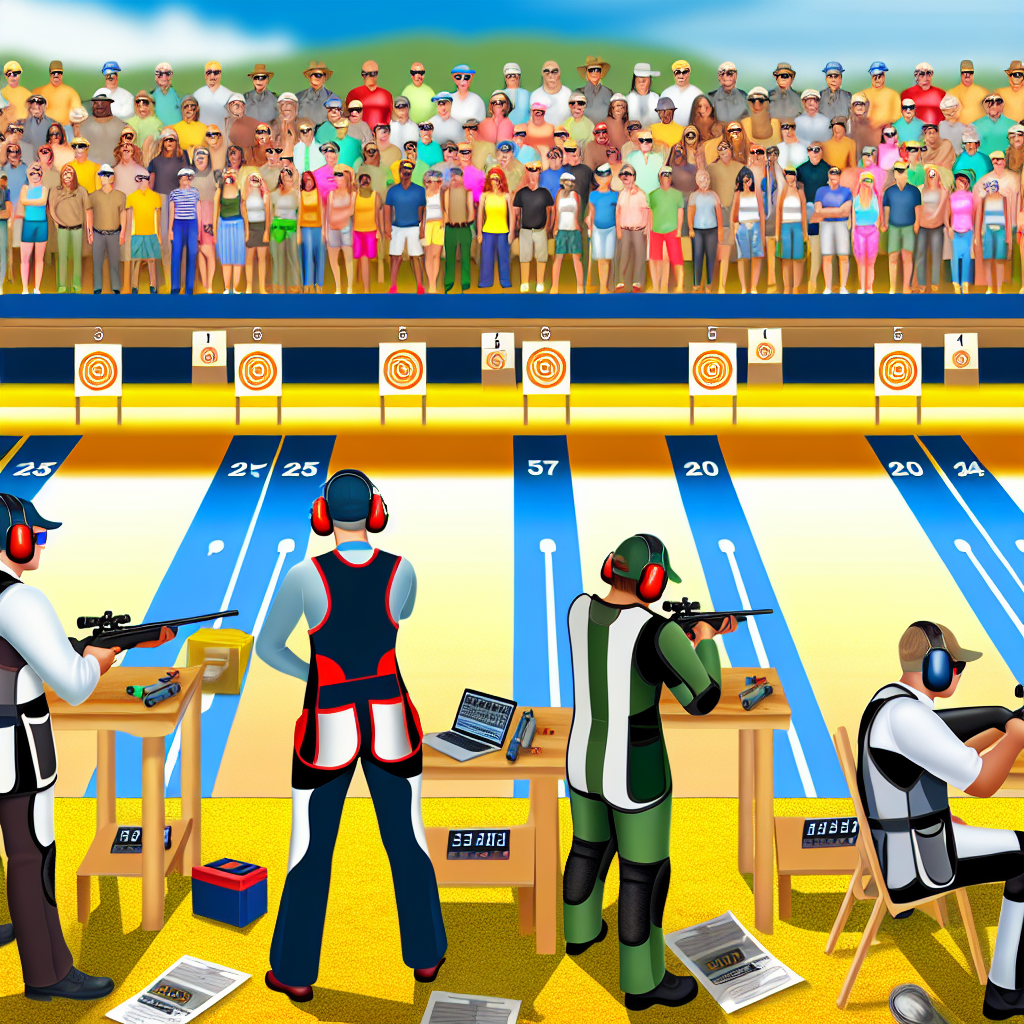
Participating in your first competitive shooting event can be both exciting and nerve-wracking. Whether you are a seasoned range shooter looking to test your skills under pressure or a novice eager to step into the world of competitive shooting, understanding what lies ahead can help you prepare mentally and physically. This article aims to guide you through the various aspects of your first event, from registration and safety protocols to the competition format and post-event expectations.
Understanding the Competitive Shooting Environment
Competitive shooting encompasses a wide variety of disciplines, including pistol, rifle, shotgun, and practical shooting formats like IPSC (International Practical Shooting Confederation) or USPSA (United States Practical Shooting Association). Each discipline has its own set of rules, equipment requirements, and scoring systems.
Before attending your first event, it’s important to familiarize yourself with the specific type of competition you will be entering. For instance:
- Precision Rifle Matches: Focus on accuracy over long distances with stationary targets.
- Action Pistol Matches (e.g., IPSC/USPSA): Emphasize speed and accuracy on dynamic courses with multiple targets.
- Shotgun Sporting Clays: Simulate hunting scenarios with clay targets launched at varying angles and speeds.
A good starting point is to visit the official website of the organizing body or talk to experienced competitors to understand what is expected in terms of equipment and skills.
The Registration Process and Pre-Event Preparation
Registration is typically done online well before the event day. It’s crucial to register early as many popular events have limited slots and fill up quickly. During registration, you will often need to provide information such as:
- Your classification or skill level (if applicable)
- Firearm details including make, model, and caliber
- Proof of membership in relevant shooting organizations
- Payment for entry fees
Case Study: At a USPSA regional match held in Texas in 2023, approximately 75% of competitors registered online at least two weeks in advance. This allowed organizers to efficiently allocate squad times and prepare stages accordingly.
Pre-event preparation should also include:
- Equipment check: Ensure your firearms are clean, functioning properly, and comply with competition rules regarding modifications.
- Ammunition planning: Bring more rounds than you expect to need; many matches require hundreds of rounds depending on the number of stages.
- Safety gear: Eye protection, ear protection, hats for sun protection, and appropriate clothing for weather conditions are essential.
- Mental readiness: Familiarize yourself with stage procedures and scoring methods to reduce anxiety on match day.
The Day of the Competition: What Happens?
The competition day usually starts early with check-in and safety briefings. Expect a structured schedule that keeps things moving efficiently but allows enough time for each competitor’s performance.
Check-In and Safety Briefing
The first step upon arrival is checking in at the registration desk if not done beforehand. You’ll receive important materials such as scorecards, stage maps, or competitor badges. Next comes a mandatory safety briefing where range officers will review safety rules specific to that event.
Safety is paramount in all competitive shooting sports. Common rules emphasized include:
- Muzzle discipline – always keep your firearm pointed downrange or in a safe direction
- Treat every firearm as if it were loaded
- No handling firearms unless instructed by Range Officers (ROs)
- No distractions while on the firing line (e.g., no phones)
The Stages: Format & Execution
Shooting competitions are divided into multiple stages or courses of fire. Each stage presents different challenges such as varying target distances, shooting positions (standing, kneeling), movement between firing points, and time constraints.
You will typically receive a briefing before each stage explaining:
- The course layout including target placement
- Shooting order and required positions or movements
- The scoring system used (time-based or point-based)
A key tip for first-timers is to watch experienced shooters during their runs if possible; this provides insight into effective strategies for speed and accuracy under pressure.
Nerves & Focus Under Pressure
Nervousness is natural during your first competition. Studies have shown that athletes under moderate stress can improve focus but excessive anxiety may impair performance (Journal of Sports Sciences, 2020). Techniques such as deep breathing, visualization of successful shots, or pre-shot routines can help manage nerves.
Post-Competition: Results & Community Engagement
Once all competitors have completed their stages, scores are tallied based on hits/misses, time penalties, or other criteria depending on the discipline. Results are usually posted publicly within hours after the final round or during an awards ceremony if applicable.
- Award Categories: Many events
Award Categories: Many events offer various categories for recognition, including overall performance, age groups, and skill levels, allowing a wide range of competitors to be acknowledged for their efforts.
Participating in your first competitive shooting event can be a rewarding experience, providing opportunities for growth and camaraderie within the shooting community.