How to Survive a Carjacking with Tactical Awareness
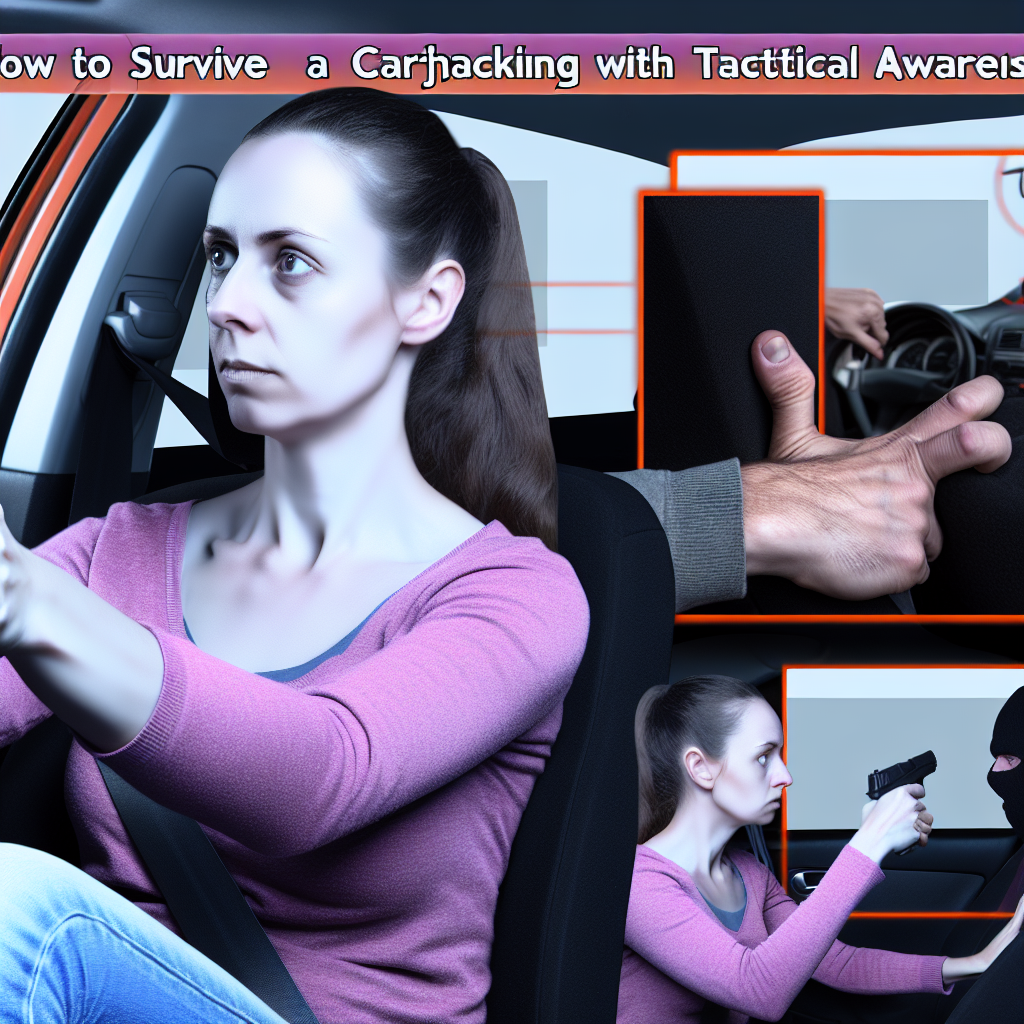
Carjacking, a violent crime where an assailant forcibly takes control of a vehicle from its driver or occupants, has been a persistent threat in many urban and suburban areas worldwide. According to the FBI’s Uniform Crime Reporting (UCR) Program, carjackings have seen fluctuations over the years but remain a significant concern due to their sudden and aggressive nature. The key to surviving such an incident lies not only in quick reflexes but also in tactical awareness — the ability to anticipate, recognize, and respond effectively to threats.
This article explores practical strategies backed by research and real-world examples to help you survive a carjacking with tactical awareness. Whether you’re a daily commuter or an occasional driver, understanding these principles can empower you to protect yourself and your loved ones.
Understanding Carjacking: Patterns and Risks
Before diving into survival tactics, it is crucial to understand the typical scenarios in which carjackings occur and the mindset of perpetrators. Most carjackings happen in high-crime areas or at vulnerable moments such as:
- Stopping at red lights or stop signs
- Parking lots or garages
- Slow-moving traffic or traffic jams
- Late night or early morning hours
A 2020 study by the National Highway Traffic Safety Administration (NHTSA) revealed that approximately 20% of carjackings involve firearms, making these events extremely dangerous. Perpetrators often rely on surprise and intimidation, exploiting moments when drivers are distracted or unable to react quickly.
Case studies highlight the importance of situational awareness. For example, in Chicago — one of the cities with historically high rates of carjacking — police reports show that victims who noticed suspicious behavior early were more likely to avoid being carjacked.
Tactical Awareness: The First Line of Defense
Tactical awareness means maintaining an active mindset focused on recognizing threats before they escalate. It involves observing your environment, reading body language, and anticipating possible dangers. Here’s how you can develop this essential skill:
- Scan Your Surroundings: Always be aware of who is around you when entering or exiting your vehicle. Look for individuals loitering near your car or acting nervously.
- Avoid Distractions: Avoid using your phone or engaging in activities that reduce your alertness when driving or parking.
- Trust Your Instincts: If something feels off — such as a vehicle following you too closely — take precautions like driving to a well-lit public area or police station.
- Use Mirrors Effectively: Regularly check rearview and side mirrors for unusual behavior or vehicles that seem out of place.
The “see something, say something” philosophy applies here. Early detection can prevent an attack altogether by enabling you to take evasive actions before a confrontation arises.
Preventive Measures: Reducing Your Vulnerability
Prevention is always better than reaction when it comes to violent crimes like carjacking. Incorporating certain habits into your daily routine can drastically reduce your chances of becoming a victim:
- Choose Safe Parking Spots: Opt for well-lit, busy areas over secluded spots whenever possible.
- Keep Doors Locked: Lock your doors immediately after entering your vehicle and keep them locked while driving.
- Avoid Stopping Unnecessarily: Minimize stops in unfamiliar neighborhoods or areas known for crime.
- Avoid Routine Routes: Vary your travel routes when possible to avoid predictability.
- Maintain Vehicle Maintenance: A well-functioning vehicle reduces breakdown risks, which could leave you stranded and vulnerable.
A good example is demonstrated by taxi drivers in many cities who keep doors locked until they verify passenger identities. Similarly, delivery personnel often park vehicles facing outward for quicker escape if needed.
Tactical Responses During a Carjacking Attempt
If prevention fails and you find yourself confronted by an aggressor attempting to carjack you, how you respond can be critical for survival. Experts in personal safety recommend several tactics based on situational variables:
- Stay Calm and Composed: Panic can cloud judgment; take deep breaths and focus on assessing the situation calmly.
- Comply When Threatened with Weapons: If the attacker is armed, surrendering keys or valuables without resistance may save lives. Property can be replaced; life cannot.
- Avoid Sudden Movements: Sudden actions might provoke violence; move deliberately if complying with demands.
- If Safe Escape Is Possible: If there is clear space ahead and no immediate risk to pedestrians, accelerating quickly may thwart the attacker’s plan by creating distance.
- Scream or Use Horn as Alarm Signals: Drawing attention may scare off attackers who fear witnesses or law enforcement arrival.
An illustrative case occurred in New York City where a driver under threat accelerated through an intersection while honking loudly; nearby pedestrians noticed the commotion and alerted police promptly.
The assailant fled without gaining control of the vehicle, demonstrating the effectiveness of quick thinking and decisive action in a crisis.
Always prioritize your safety and remember that material possessions are not worth risking your life.