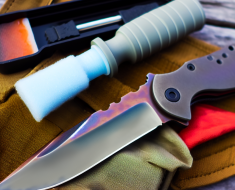
How to Choose the Best Tactical Knife for Self-Defense
In today’s unpredictable world, personal safety is a paramount concern for many individuals. While self-defense can take numerous forms, equipping oneself with a reliable tactical knife is a practical and effective option. Tactical knives are designed not only for utility but also for defense, making them an essential tool in critical situations. However, selecting the right tactical knife requires careful consideration of various factors ranging from blade design to legal regulations.
This comprehensive guide will walk you through the essential aspects of choosing the best tactical knife for self-defense, backed by expert insights, real-world examples, and relevant statistics to help you make an informed decision.
Understanding Tactical Knives: What Sets Them Apart?
Before diving into selection criteria, it’s important to understand what exactly defines a tactical knife and how it differs from other knives.
- Purpose-built Design: Tactical knives are crafted primarily for combat or emergency situations. Unlike kitchen or hunting knives, they emphasize durability, quick deployment, and multi-functionality.
- Durability and Strength: These knives often use high-quality steel alloys that resist corrosion and maintain sharpness even under rigorous conditions.
- Ergonomic Handling: The handle design facilitates a firm grip in various conditions including wet or gloved hands.
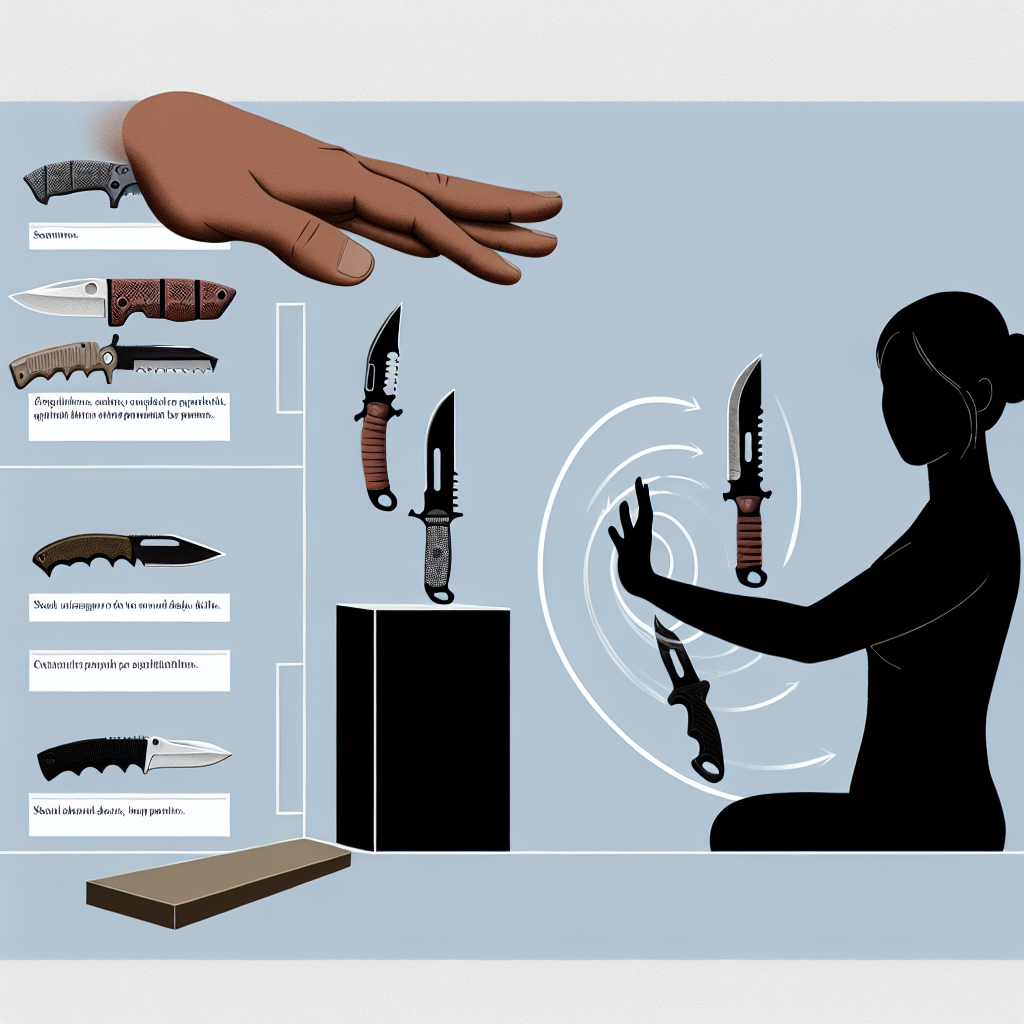
- Blade Styles: Tactical blades may come in fixed or folding varieties with designs such as tanto, drop point, or clip point optimized for piercing or slashing.
According to a survey conducted by Knife Informer in 2022, over 60% of tactical knife users preferred fixed blades due to their strength and reliability during defensive encounters.
Key Factors to Consider When Choosing a Tactical Knife
Selecting the best tactical knife involves balancing several factors based on your personal needs and scenarios where you might use the knife.
Blade Material and Steel Type
The blade’s steel type determines its hardness, corrosion resistance, edge retention, and ease of sharpening. Common steels used in tactical knives include:
- 440C Stainless Steel: Known for excellent corrosion resistance and good edge retention; suitable for humid environments.
- S30V Stainless Steel: High-end steel offering superior toughness and edge retention but harder to sharpen.
- D2 Tool Steel: Semi-stainless with exceptional hardness; favored for tactical use but requires regular maintenance to prevent rust.
- Carbon Steel (e.g., 1095): Extremely tough with great edge holding but prone to rust if not cared for properly.
A case study from the U.S. Military Knife Testing Program showed that soldiers preferred S30V steel blades during field operations because they balanced durability with corrosion resistance effectively.
Blade Length and Shape
The ideal blade length for self-defense generally falls between 3 to 5 inches. Blades too short may lack reach while longer blades could be unwieldy in close quarters.
- Tanto Blade: Features a strong tip ideal for piercing tough materials; favored in tactical situations requiring penetration power.
- Drop Point Blade: Offers a versatile curved edge suited for slashing and thrusting; common among survival knives.
- Clip Point Blade: Provides a sharp tip useful for precision cuts; often found on traditional fighting knives.
A notable example is the popular Emerson CQC-7 with its tanto blade design, which has been praised by law enforcement professionals worldwide for its effectiveness in self-defense scenarios.
Handle Material and Ergonomics
A secure grip is crucial during high-stress situations. The handle material should offer comfort while preventing slippage even when wet or sweaty. Common materials include:
- G-10 Composite: Lightweight yet durable with textured surface improving grip.
- Kraton Rubber: Soft, shock-absorbing material providing excellent traction.
- MOLDED Polymer: Resilient against impact and chemicals; often used in military-grade knives.
- Cord-wrapped Handles: Traditional style offering customization but less durable in adverse weather conditions.
The ergonomics should also allow multiple grip styles (forward choke, reverse grip) without compromising control. A study by Tactical Edge Magazine highlighted that knives with contoured finger grooves reduced hand fatigue significantly during prolonged use compared to straight handles.
Tactical Features: Additional Elements That Matter
Apart from core specifications, certain features enhance a knife’s defensive utility:
- Serrated Edge Portion: Useful for cutting through tough materials like rope or fabric quickly during emergencies.
- Lanyard Hole: Allows attachment of wrist straps preventing loss during combat or movement.
- Belt Clips/Sheaths: Enables easy carry and quick access; sheaths should securely hold the knife while allowing rapid deployment.
- Assisted Opening Mechanism: Folding knives with spring-assisted openers provide faster blade deployment compared to manual opening models.
These tactical features can significantly improve your readiness and effectiveness in self-defense situations. Always choose a knife that feels right for you.