How to Reload for the AR-15 Platform: A Comprehensive Guide
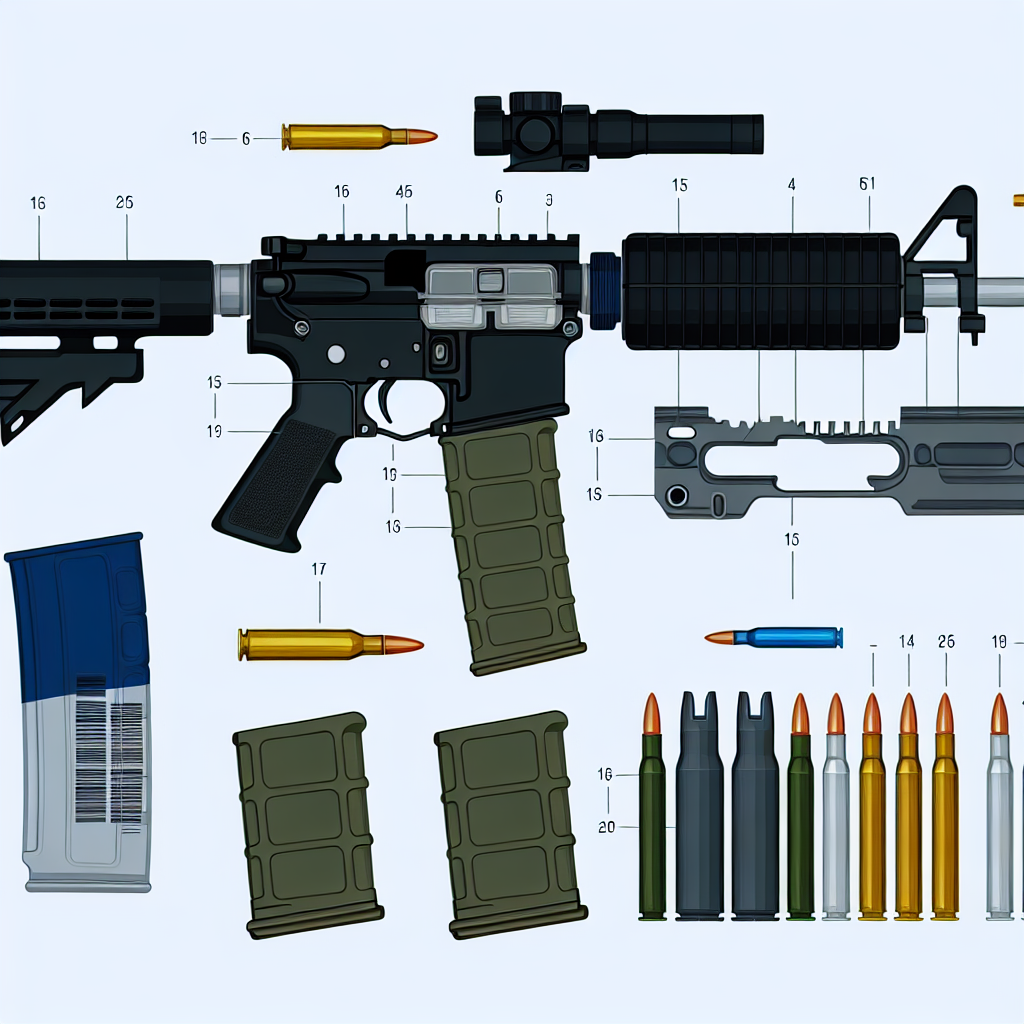
The AR-15 platform is one of the most popular and versatile rifles in the United States and around the world. Known for its modularity, reliability, and adaptability, it has found a home with sport shooters, hunters, law enforcement personnel, and military operators. One of the most cost-effective ways to maximize your AR-15’s potential is through reloading your own ammunition.
Reloading allows shooters to tailor their ammunition to specific needs—whether it’s achieving better accuracy, reducing recoil, or simply saving money over time. However, reloading requires knowledge, precision, and attention to safety. This article provides a detailed guide on how to reload for the AR-15 platform, offering insights into necessary equipment, techniques, and best practices.
Understanding the Basics of Reloading for the AR-15
Reloading involves assembling individual components—cases, primers, powder, and bullets—to create functional cartridges. For the AR-15, which primarily uses the .223 Remington or 5.56x45mm NATO cartridge (and various other calibers in specialized builds), understanding these components is crucial.
- Case: Typically brass casings that hold all other components together. Cases can be new or once-fired; however, once-fired cases require inspection and preparation before reuse.
- Primer: The ignition source that sparks the powder charge inside the case.
- Powder: The propellant that generates gas pressure to propel the bullet forward.
- Bullet: The projectile fired from the rifle barrel.
Each component must be carefully selected and assembled according to recommended specifications to ensure safe and reliable ammunition performance. Deviations can lead to dangerous malfunctions or inconsistent accuracy.
Essential Equipment Needed for Reloading AR-15 Ammunition
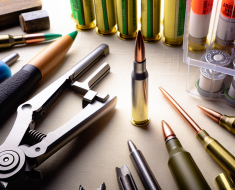
Before diving into reloading for your AR-15 platform rifle, you need an investment in proper tools and equipment. Here’s a breakdown of essential gear:
- Reloading Press: A single-stage press is ideal for beginners due to its simplicity and control. Progressive presses increase speed but require more experience.
- Dies Set: A set of resizing dies specific to .223 Remington/5.56 NATO calibers is required. These include resizing/depriming die, expanding die (optional), seating die, and crimping die if needed.
- Case Trimmer: Used to maintain consistent case length after resizing since brass stretches during firing.
- Calipers: To measure overall cartridge length (OAL) and case dimensions accurately.
- Powder Scale & Powder Measure: Precision scales ensure you load powder charges consistently within safe limits.
- Priming Tool: Some presses include priming systems; otherwise, handheld priming tools are available.
- Bullet Puller: Useful if you need to disassemble a cartridge due to errors or experimentation.
The total investment can range from $150 for basic setups up to $1000+ for advanced progressive presses with digital scales and other accessories. However, many enthusiasts find it worthwhile due to long-term savings and customization benefits.
The Step-by-Step Process: Reloading Your AR-15 Ammunition
The reloading process requires patience and strict adherence to procedures to maintain safety and quality. Below is a detailed walkthrough of each critical step when reloading .223/5.56 cartridges for your AR-15 platform rifle:
1. Collect and Inspect Spent Cases
The first step involves gathering once-fired brass casings from your range sessions or purchases. It’s crucial to thoroughly inspect cases for defects such as cracks, splits near the neck or body, dents, or signs of excessive wear.
- If you find any damage or deformations that could compromise safety or reliability during firing, discard those cases immediately.
- A visual inspection combined with feel tests helps identify potential problems early on.
2. Clean Cases Thoroughly
Dirt, carbon residue, and lubricants must be removed before resizing cases. You can clean cases using a tumbler with walnut shell media or stainless steel pins combined with appropriate cleaning solutions like ultrasonic cleaners or vibratory tumblers.
3. Resize and Deprime Cases
This critical step restores spent brass back into specifications so they fit chamber dimensions correctly in your rifle’s barrel. Using a resizing die set designed for .223 Remington/5.56 NATO cartridges on your press will perform two functions simultaneously: resizing the case back to standard dimensions and removing spent primers (depriming).
4. Trim Case Length
.223 Remington brass typically stretches slightly after firing; trimming ensures uniform length which prevents feeding issues in magazines or chambers. Use a case trimmer with precise measurement tools like calipers set at factory specifications (~1.760 inches OAL).
5. Chamfer and Deburr Case Mouths
This step smooths out sharp edges on trimmed brass necks that might otherwise damage bullets during seating or cause feeding problems in magazines.