How to Build Speed and Accuracy with Pistol Shooting
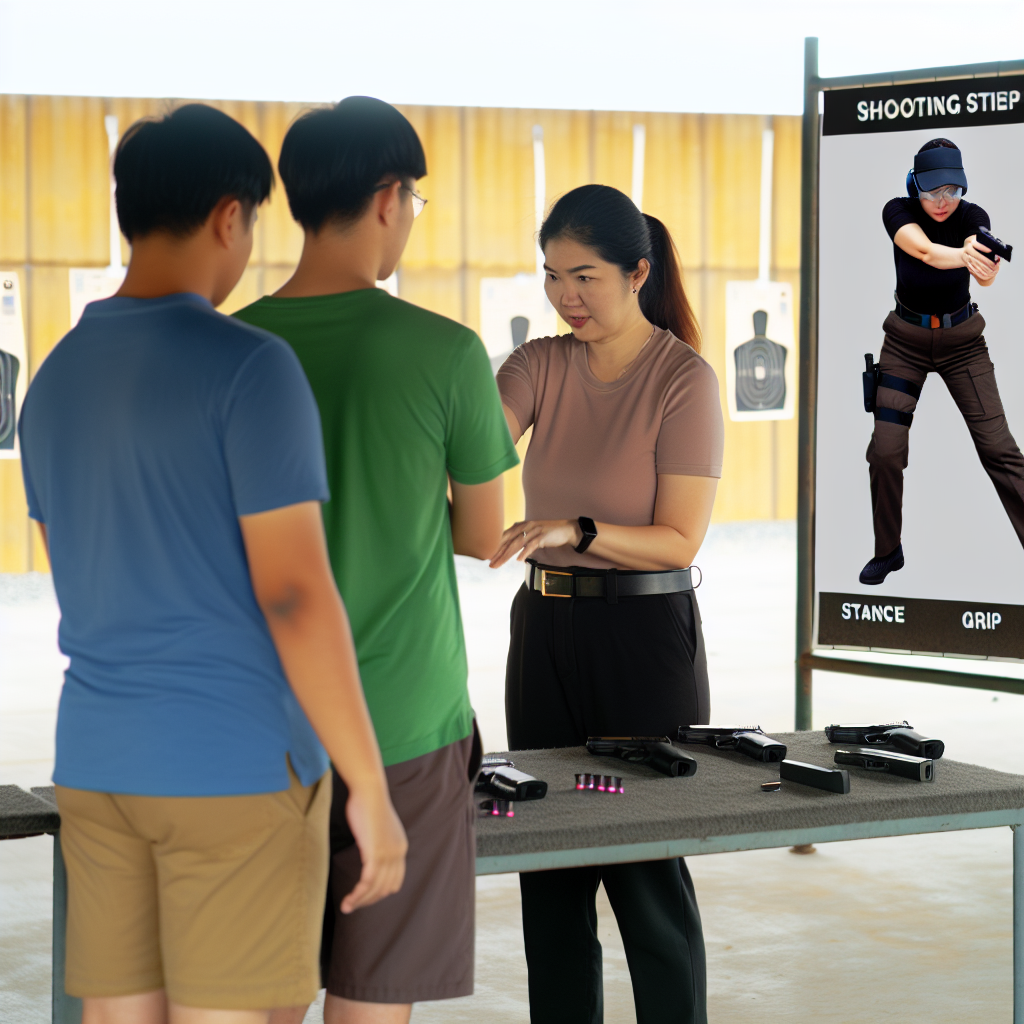
Pistol shooting is a discipline that demands a unique blend of precision, control, and rapid execution. Whether you are a competitive shooter, law enforcement officer, or a recreational enthusiast, mastering speed and accuracy simultaneously is key to elevating your performance. This article explores comprehensive strategies, training techniques, and insights into how you can effectively build both speed and accuracy in pistol shooting.
The Importance of Balancing Speed and Accuracy
In pistol shooting, speed and accuracy are often perceived as opposing skills — shooting fast usually means sacrificing precision, while focusing solely on accuracy tends to slow your pace. However, the best shooters find a balance that allows them to deliver precise shots quickly and reliably.
Studies in competitive shooting disciplines like IPSC (International Practical Shooting Confederation) show that top-level shooters maintain an average hit rate of over 90% while engaging multiple targets rapidly. For example, the 2022 IPSC World Shoot finalists averaged speeds around 0.3 seconds per shot with impressive accuracy. This underscores the importance of training methods that cultivate both elements together rather than in isolation.
Fundamental Techniques for Developing Accuracy
Accuracy forms the foundation upon which speed can be built safely and effectively. Without solid marksmanship fundamentals, increasing speed will lead to poor shot placement and inconsistency.
- Proper Grip: A consistent and firm grip minimizes recoil effects and improves control. The thumbs-forward grip technique is widely recommended for its stability.
- Stance and Posture: Adopting an athletic stance with feet shoulder-width apart and knees slightly bent helps maintain balance during rapid fire.
- Sight Alignment: Ensuring the front sight is centered within the rear sight notch is critical. Practicing dry-fire drills focusing solely on sight alignment can enhance this skill.
- Trigger Control: Smooth trigger presses prevent muzzle movement that can pull shots off target. Using the pad of the index finger rather than the joint creates better control.
A case study conducted by the U.S. Army Marksmanship Unit found that soldiers who spent at least 20 minutes daily on dry-fire drills focusing on trigger control improved their grouping size by 30% over eight weeks. This illustrates how fundamental skill refinement translates into measurable accuracy gains.
Training Methods to Increase Shooting Speed
Once accuracy fundamentals are established, gradually increasing shooting speed becomes feasible without compromising shot quality. Here are key methods to accelerate your shooting pace:
- Progressive Timing Drills: Start by timing yourself on single shots at a target from a static position. Gradually reduce allowed time per shot while maintaining accuracy before moving on to multiple targets or strings of fire.
- Controlled Pairs and Double Taps: Practice firing two quick shots at the same target to develop muscle memory for rapid follow-up shots.
- Reload Drills: Efficient magazine changes reduce downtime between shots in practical scenarios. Incorporate tactical reloads under time pressure into your routine.
- Mental Visualization: Visualization techniques where shooters mentally rehearse drawing, acquiring sights, firing accurately at speed improve neural pathways associated with motor skills.
A noteworthy example comes from police firearms training programs where cadets undergo “shoot/no-shoot” scenarios timed for both decision-making speed and shot placement accuracy. Those who practiced progressive timing drills showed a 25% improvement in response times after six weeks compared to those who did not incorporate timed exercises.
The Role of Dry-Fire Practice in Speed and Accuracy Enhancement
Dry-fire practice — rehearsing shooting mechanics without live ammunition — is one of the most effective ways to develop both speed and accuracy safely and economically.
- Sight Picture Repetition: Dry-firing allows endless repetitions of sight alignment without recoil distractions, reinforcing muscle memory.
- Trigger Press Mastery: Shooters can focus on perfecting trigger control without worrying about noise or ammo consumption.
- Drawing Practice: Drawing from holster repeatedly in slow-motion then progressively faster enhances smoothness under pressure.
The American Institute of Marksmanship advocates for daily dry-fire sessions of at least 10 minutes as part of any serious shooter’s regimen. They cite research indicating dry-fire practice can improve live-fire performance by up to 40%, especially when combined with video feedback or coaching tools.
Mental Conditioning: Building Confidence Under Pressure
Shooting fast with precision is as much mental as it is physical. Pressure situations trigger adrenaline spikes that can disrupt fine motor skills needed for accurate shooting.
Mental conditioning techniques include:
- Breathing Control: Learning to regulate breathing reduces heart rate and stabilizes hand tremors during firing sequences.
- Arousal Management: Techniques such as progressive muscle relaxation help shooters remain calm even when timed or under stress conditions.
- Routine Development: Establishing pre-shot routines creates consistency and reduces anxiety during competition or real-world encounters.
A survey conducted among competitive shooters revealed that those who practiced mental skills training alongside physical drills performed significantly better under timed conditions — averaging a 15% increase in hit percentage compared to those who did not incorporate mental conditioning into their training.
By combining physical drills with mental strategies, shooters can enhance both their speed and accuracy, leading to improved overall performance.