How to Set Up Your Shooting Bag for Competition Day
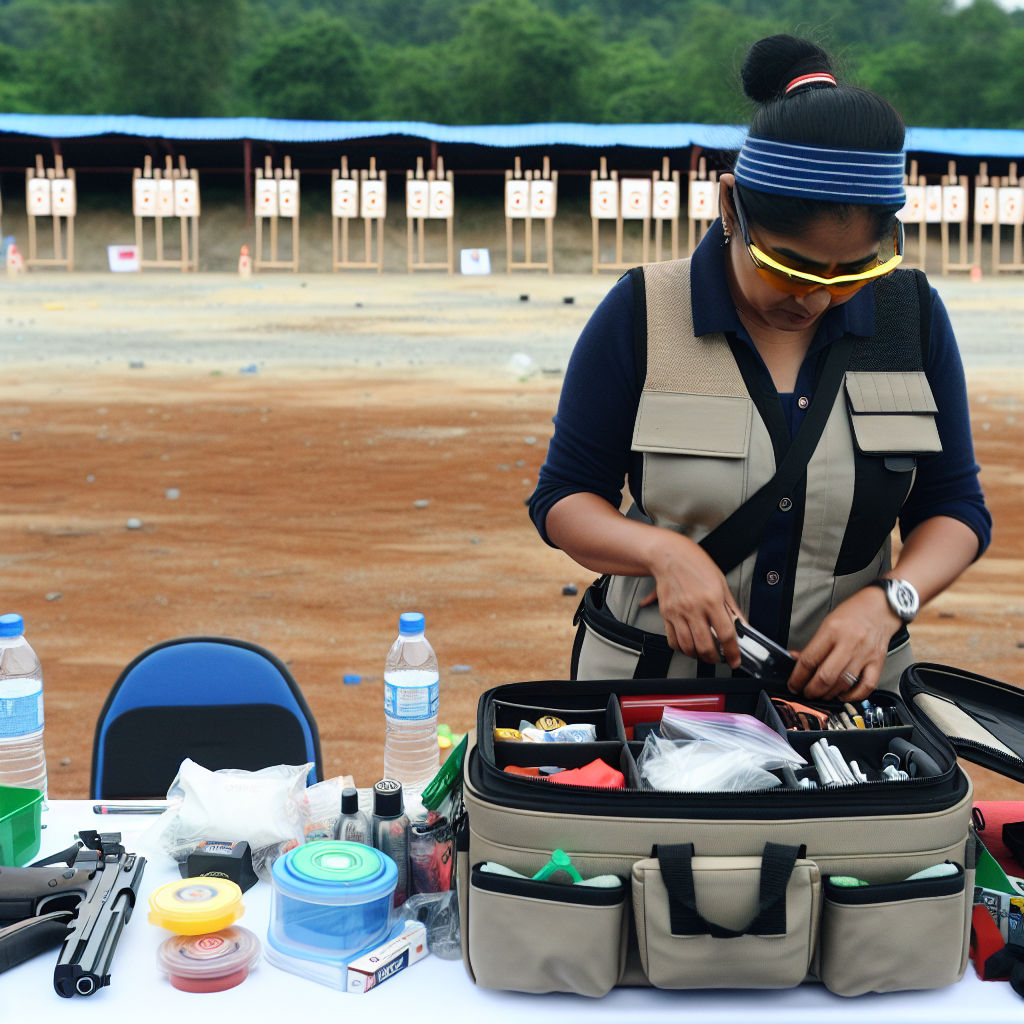
Preparing for a shooting competition requires more than just skill and mental focus; it demands meticulous organization and readiness. One of the most crucial aspects of your preparation is setting up your shooting bag. A well-packed shooting bag not only ensures that you have all the necessary gear at your fingertips but also helps reduce stress, improve efficiency, and enhance your overall performance on competition day.
In this article, we will explore how to set up your shooting bag effectively, covering everything from essential equipment to packing strategies, with real-world examples and expert tips to help you compete at your best.
Understanding the Essentials: What Goes Into Your Shooting Bag?
Before diving into packing strategies, it’s important to understand what items should be in your shooting bag. The exact contents may vary depending on the type of shooting sport—whether it’s pistol, rifle, shotgun, or archery—but certain essentials remain consistent across disciplines.
A well-equipped shooting bag typically contains:
- Firearms and Ammunition: Your primary competition firearm(s), along with extra magazines or speed loaders, and sufficient ammunition for practice and match stages.
- Protective Gear: Eye protection (shooting glasses), ear protection (earplugs or earmuffs), and gloves if applicable.
- Cleaning Supplies: Basic cleaning kits including brushes, patches, lubricants, and bore snakes for quick maintenance during or between stages.
- Tools and Spare Parts: Multi-tools, screwdrivers, extra springs, screws, magazines, or other small parts that might fail or need adjustment.
- Clothing and Comfort Items: Comfortable clothing suited to the weather conditions such as hats, sunscreen, rain gear, hydration packs, and snacks.
- Documentation and Licenses: Identification cards, competition registration papers, membership cards for shooting organizations, and any required permits.
- Tactical Gear: Depending on the discipline—holsters, belts, slings for rifles/shotguns, range bags for ammo organization.
- Miscellaneous Items: Score sheets or notebooks for tracking performance; pens; timers or shot counters; cell phone or communication devices.
The National Shooting Sports Foundation (NSSF) reports that shooters who prepare their gear ahead of time reduce equipment-related issues by nearly 40%, underscoring the importance of thorough preparation. Properly assembling your kit is your first step toward a successful competition day.
Packing Strategies: Organizing Your Bag for Efficiency
Packing your shooting bag isn’t just about tossing everything inside; it’s about thoughtful organization so you can access each item quickly without hassle. This is especially critical during competitions where time is limited between stages.
The Layered Approach
The layered approach involves organizing items based on priority and frequency of use:
- Top Layer: Items you’ll need frequently or in a hurry—such as ammunition magazines, ear and eye protection, and score sheets—should be placed in accessible pockets or compartments at the top of the bag.
- Middle Layer: Firearm(s) themselves should be securely stored in padded compartments to prevent damage but still easy to retrieve when needed.
- Bottom Layer: Bulkier items like cleaning kits, spare parts kits, food/snacks, hydration bottles go in the bottom compartments where they won’t be disturbed often but are available when needed.
Compartmentalization Is Key
Selecting a shooting bag with multiple compartments or using smaller pouches inside your main bag helps keep things organized. For example:
- Ammunition can be stored in clear plastic boxes labeled by caliber and count.
- A dedicated pouch for cleaning supplies prevents oils from spilling onto other gear.
- A small first aid kit should be easily accessible in case of minor injuries on range grounds.
Shooter Sarah Martinez shares her experience: “Using color-coded pouches inside my range bag has saved me valuable time during matches. I don’t have to dig around looking for my hearing protection or spare magazines—it’s all right there.”
The Role of Technology: Modern Tools That Enhance Your Setup
The integration of technology into competitive shooting has transformed how athletes prepare their gear. Beyond traditional items, consider incorporating tech tools that can give you an edge on competition day.
- Electronic Ear Protection: Devices like Peltor Sport Tactical earmuffs not only protect hearing but also amplify ambient sounds allowing better situational awareness while suppressing loud gunshots.
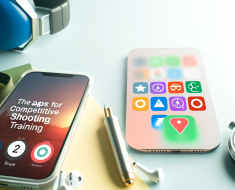
- Shot Timers & Apps: Many shooters now carry electronic shot timers that record reaction times with precision down to milliseconds. Some timers sync with smartphone apps to analyze stage times post-match.
- Drones & Rangefinders (Where Permitted): In disciplines like long-range rifle shooting or practical rifle competitions outdoors, rangefinders help determine distances accurately. Though drones are less common due to restrictions at official events, some use them in training phases to scout terrain effectively.
A study by Competitive Shooter Magazine showed competitors using electronic timers improved their overall performance by an average of 15%. Embracing these innovations can significantly enhance your readiness and effectiveness on competition day.