How to Handle Competition Nerves Like a Pro
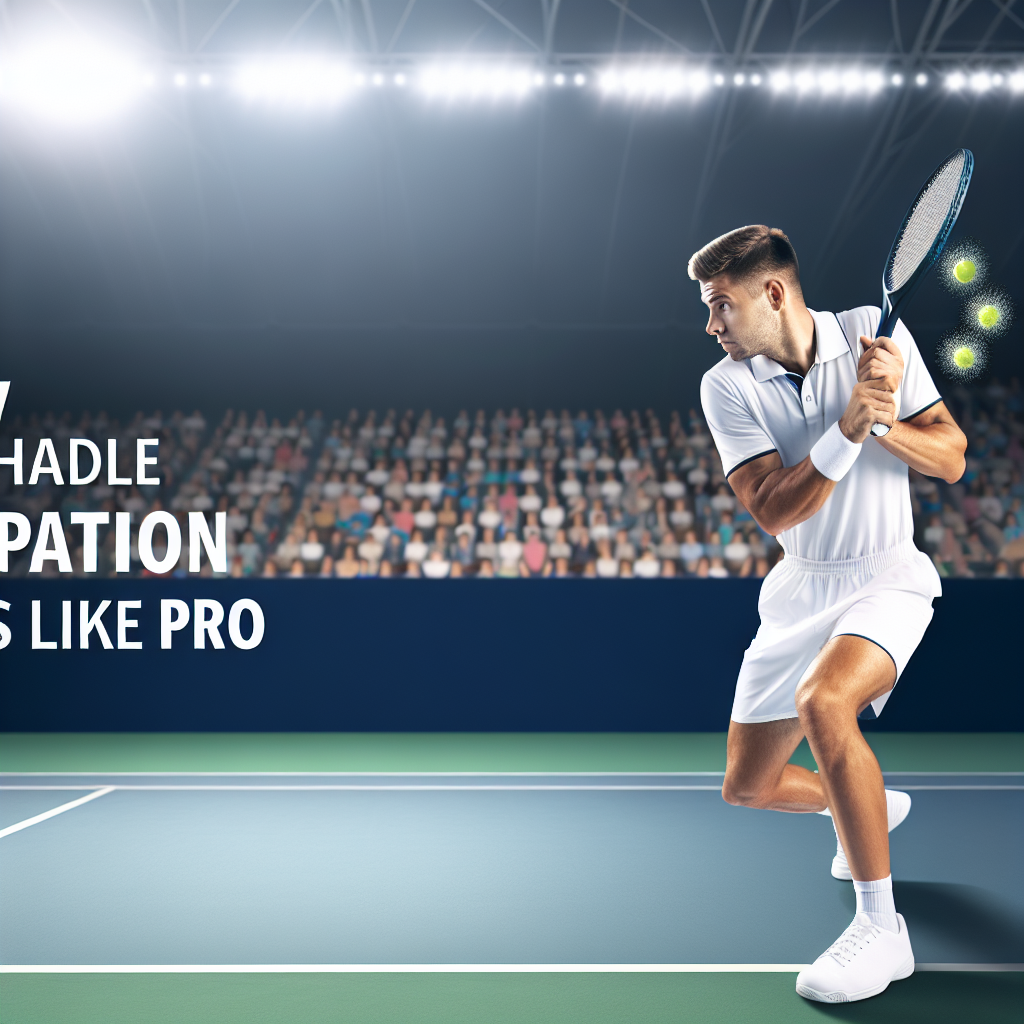
Competition nerves are a common experience for athletes, performers, students, and professionals alike. Whether you’re stepping onto a stage, entering an important exam, or facing off against a rival team, those jitters can either be a debilitating hurdle or a powerful motivator. The key lies in how you manage these nerves to maintain focus, confidence, and peak performance.
In this article, we will explore proven strategies to handle competition nerves like a pro. Drawing from psychological research, expert insights, and real-world examples, you’ll learn how to transform anxiety into an advantage and perform at your best when it counts the most.
Understanding Competition Nerves: Why Do They Happen?
Before learning how to manage nerves, it’s crucial to understand why they occur in the first place. Competition nerves stem from the body’s natural “fight or flight” response—a physiological reaction triggered by perceived threats or high-pressure situations.
When faced with competition:
- Your brain signals the release of adrenaline and cortisol, hormones that prepare your body for action.
- Your heart rate increases, breathing quickens, and muscles tense up.
- You may experience sweaty palms, dry mouth, butterflies in the stomach, or shaky hands.
This response is designed to sharpen your focus and increase physical readiness. However, when excessive or poorly managed, these symptoms can impair concentration and performance.
A 2019 study published in the Journal of Sports Sciences found that moderate levels of pre-competition anxiety can enhance performance by increasing alertness. Yet too much anxiety leads to “choking,” where athletes underperform despite their skill level.
Recognize Your Personal Nervous Triggers
Not all nerves are created equal; different individuals react differently depending on their personality traits, past experiences, and the nature of the competition. Identifying your personal triggers can help you tailor strategies effectively.
- Situational Triggers: Is it performing in front of large crowds? Facing a high-stakes opponent? Or the fear of failure?
- Cognitive Triggers: Negative self-talk or catastrophic thinking such as “I’m going to mess up” can amplify nerves.
- Physical Triggers: Fatigue, dehydration, or poor nutrition before competition can heighten nervousness.
For example, Olympic swimmer Michael Phelps famously admitted that visualizing potential mistakes before races initially heightened his anxiety. However, after working with sports psychologists to reframe these thoughts into opportunities for growth rather than threats, he was able to reduce his nervousness significantly.
Proven Techniques to Manage Competition Nerves
Handling competition nerves requires both mental and physical strategies. Here are some of the most effective methods used by professionals across fields:
Mental Strategies
- Visualization: Imagine yourself succeeding in detail. Athletes like Serena Williams use visualization extensively to mentally rehearse matches and stay calm under pressure.
- Positive Self-Talk: Replace negative thoughts with affirmations such as “I am prepared,” “I can handle this,” or “Nerves mean I care.” Studies show positive self-talk improves confidence and reduces stress hormones.
- Mental Reframing: View nerves as excitement rather than fear. This subtle shift alters physiological responses; research published in PLOS One (2018) showed that participants who reinterpreted anxiety as excitement performed better in stressful tasks.
- Meditation and Mindfulness: Regular mindfulness practice trains your brain to remain present-focused instead of fixating on worst-case scenarios. Olympic gymnast Simone Biles credits mindfulness with helping her maintain composure during high-pressure competitions.
Physical Techniques
- Controlled Breathing: Deep diaphragmatic breathing slows heart rate and calms the nervous system. The “4-7-8” technique (inhale for 4 seconds, hold for 7 seconds, exhale for 8 seconds) is widely recommended by sports psychologists.
- Progressive Muscle Relaxation (PMR): This involves tensing then relaxing muscle groups sequentially to reduce physical tension caused by nerves.
- Adequate Preparation: Being physically ready through proper training, nutrition, hydration, and rest reduces physical stressors that exacerbate nervousness.
The Role of Preparation: Confidence Through Readiness
A significant factor contributing to competition nerves is uncertainty—about one’s ability or what will happen during the event. Thorough preparation is one of the most reliable ways to combat this uncertainty and build confidence.
- Create a Structured Training Plan: Break down your preparation into manageable goals leading up to competition day. This builds mastery over skills gradually rather than last-minute cramming.
- Simulate Competition Conditions: Practice under conditions that mimic actual events including timing constraints and distractions. This acclimatizes you mentally and physically so nothing feels unfamiliar on game day.
- Keeps Records & Reflects on Progress: Tracking improvements reinforces belief in your capabilities while identifying areas needing
improvement. This self-awareness allows for targeted adjustments in training, further enhancing confidence. In conclusion, by focusing on preparation and self-reflection, you can effectively manage competition nerves and perform at your best.