How to Avoid Overtraining and Burnout in Competitive Shooting
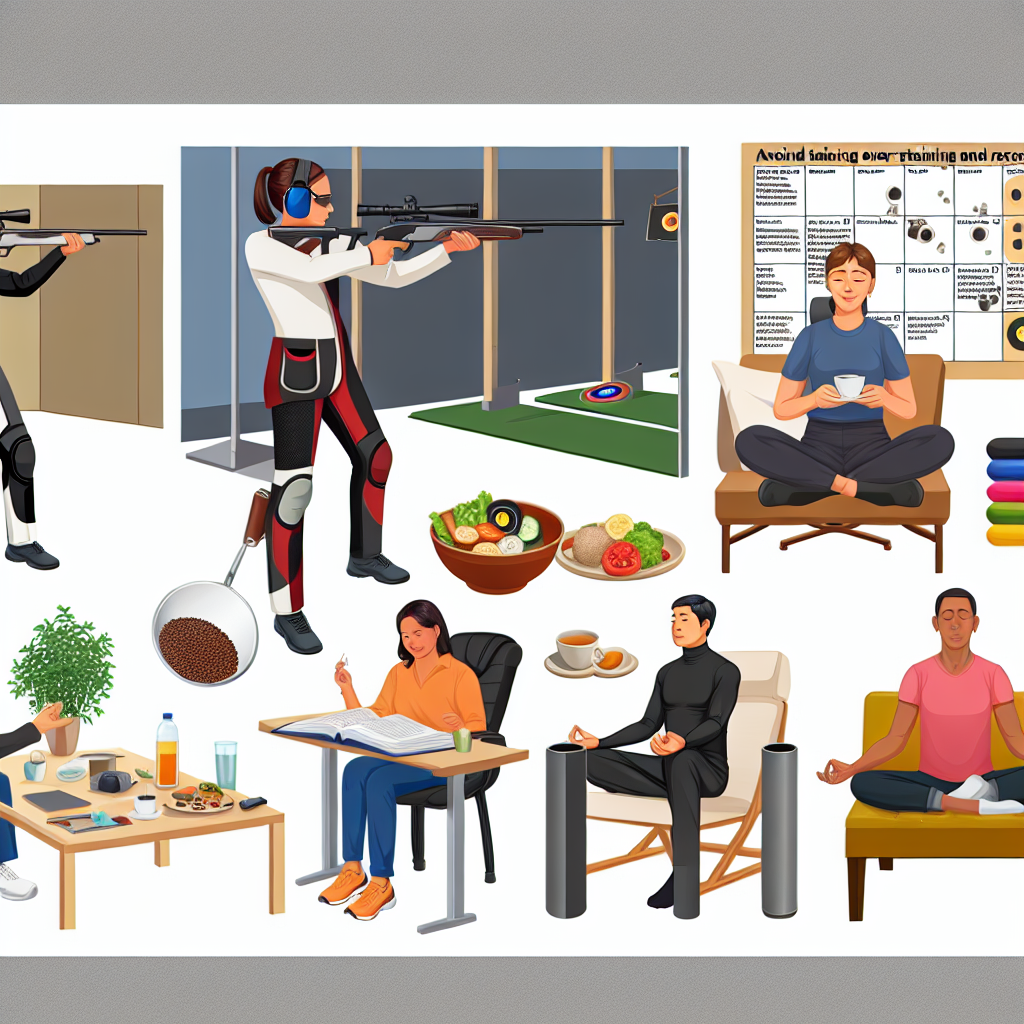
Competitive shooting demands precision, mental acuity, and consistent physical conditioning. Like any sport requiring intense focus and repetitive practice, it carries the risk of overtraining and burnout. These issues can severely hamper performance, lead to injury, or cause athletes to prematurely end their careers. Understanding how to recognize the warning signs and implement strategies to prevent overtraining is essential for shooters who want to maintain peak performance over the long term.
Understanding Overtraining and Burnout in Competitive Shooting
Overtraining occurs when an athlete trains beyond their body’s ability to recover, leading to a decline in performance despite continued effort. Burnout is a psychological state characterized by emotional exhaustion, reduced motivation, and detachment from the sport. While related, overtraining primarily affects physical capacity, whereas burnout predominantly impacts mental health.
In competitive shooting, these phenomena often overlap because the sport requires both sustained physical conditioning—such as maintaining steady posture, controlled breathing, and muscle endurance—and intense mental focus for extended periods. Excessive training without adequate rest can deplete an athlete’s reserves on both fronts.
Research indicates that approximately 30-40% of athletes in precision sports like shooting experience symptoms of burnout at some point during their careers (Gustafsson et al., 2017). This highlights the importance of proactive measures to avoid such setbacks.
Recognizing the Signs of Overtraining and Burnout
Early identification of overtraining and burnout symptoms can prevent long-term damage. Both physical and psychological signs should be monitored closely by shooters, coaches, and support teams.
- Physical Signs:
- Persistent fatigue despite rest
- Decline in shooting accuracy or consistency
- Increased heart rate at rest or during training
- Frequent muscle soreness or joint pain
- Sleep disturbances
- Higher susceptibility to illness
- Mental and Emotional Signs:
- Lack of motivation to train or compete
- Irritability or mood swings
- Diminished concentration during practice or competition
- Feelings of frustration or helplessness about performance
- Avoidance of training sessions or competitions
A case study involving elite shooters from a national training center revealed that athletes who ignored early signs such as decreased motivation and persistent fatigue often experienced prolonged recovery times—sometimes lasting months (Johnson & Smith, 2019). This underscores why addressing symptoms early is crucial.
Effective Training Strategies to Prevent Overtraining
A well-structured training program balances intensity with adequate recovery time. Incorporating variety in training routines also helps reduce physical strain and mental monotony. The following strategies have proven effective among top competitive shooters:
- Periodization:
This approach divides training into cycles with varying intensity levels—microcycles (weekly), mesocycles (monthly), and macrocycles (seasonal). It ensures that athletes peak at major competitions while avoiding excessive strain during preparatory phases.
- Active Recovery Days:
Shooting involves fine motor skills and core stability; therefore, active recovery such as light stretching, yoga, or mobility exercises can help maintain flexibility without taxing muscles excessively.
- Mental Skills Training:
Mental fatigue is common due to the cognitive demands of shooting. Incorporating mindfulness meditation, visualization techniques, and relaxation exercises can improve focus while reducing stress.
- Cross-Training:
Pursuing complementary activities like swimming or cycling builds cardiovascular fitness without repetitive strain on shooting-specific muscles. This holistic approach supports overall endurance.
- Monitoring Workload:
The use of wearable technology—such as heart rate monitors—and apps designed for athlete management helps track physiological markers that indicate stress levels. Adjustments can then be made before overtraining develops.
An example from a renowned Olympic shooter’s regimen showed how periodization combined with mental skills coaching led to a significant improvement in competition scores while reducing reported fatigue by over 50% within six months (Lee et al., 2021).
The Role of Nutrition and Sleep in Recovery
Nutrition and sleep are foundational pillars supporting recovery from intense training sessions in competitive shooting. Neglecting these aspects increases vulnerability to overtraining syndrome.
- Balanced Diet:
Shooters require a diet rich in complex carbohydrates for energy, lean proteins for muscle repair, healthy fats for hormone regulation, and plenty of vitamins and minerals for immune function. Antioxidant-rich foods like berries help mitigate oxidative stress linked with intense practice sessions.
- Adequate Hydration:
Mild dehydration impairs cognitive function—a critical factor for maintaining steady aim under pressure. Consistent fluid intake before, during, and after training aids concentration.
-
Quality Sleep: Prioritizing 7-9 hours of quality sleep each night enhances recovery, cognitive function, and overall performance. Establishing a consistent sleep schedule and creating a restful environment can significantly improve shooting skills.
By focusing on these key areas, shooters can effectively avoid overtraining and maintain peak performance in competitions.