How to Build Confidence Through Tactical Training
Confidence is a crucial attribute that influences every aspect of our lives, from professional success to personal relationships. While some individuals seem naturally confident, for many, confidence is a skill that can be cultivated through deliberate practice and experience. One highly effective method for building confidence is through tactical training. Originally designed for military, law enforcement, and security professionals, tactical training hones physical skills, mental resilience, and decision-making under pressure—qualities that translate into everyday confidence.
This article explores how tactical training can be leveraged to build genuine, lasting confidence. We will delve into the psychological underpinnings of confidence, the components of tactical training that foster this trait, and practical ways anyone can incorporate tactical principles into their lives. Along the way, we will highlight case studies, relevant statistics, and actionable strategies.
Understanding Confidence: The Psychological Foundation
Before exploring how tactical training builds confidence, it is important to understand what confidence really is from a psychological perspective.
Confidence is commonly defined as a belief in one’s abilities to succeed in specific situations or accomplish a task. Psychologists differentiate between two main types:
- Trait Confidence: A stable personality characteristic where an individual generally feels self-assured across various contexts.
- State Confidence: A temporary feeling of assurance tied to specific tasks or situations.
Tactical training primarily impacts state confidence but can also contribute to long-term trait confidence by repeated exposure and mastery. According to Albert Bandura’s theory of self-efficacy (1977), confidence stems largely from four sources:
- Mastery Experiences: Successfully completing tasks boosts belief in one’s capabilities.
- Vicarious Experiences: Observing others succeed can enhance one’s own confidence.
- Verbal Persuasion: Encouragement and positive feedback reinforce self-belief.
- Physiological States: Managing stress and anxiety improves perceived competence.
Tactical training addresses all these components by providing structured challenges that demand skill development under stress, role modeling through instructors and peers, constructive feedback during exercises, and techniques for managing physiological responses like adrenaline and fear.
The Core Elements of Tactical Training That Build Confidence
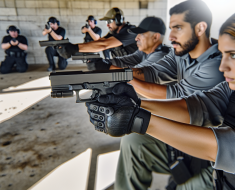
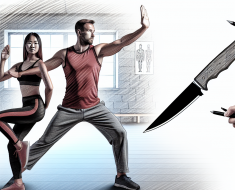
Tactical training encompasses various disciplines including firearms proficiency, close-quarters combat, situational awareness, decision-making under pressure, and physical fitness. Each element contributes uniquely to building confidence.
1. Skill Mastery Through Repetition
The foundation of any tactical program is repetitive skill development. Whether it’s marksmanship or hand-to-hand combat techniques, repetition engrains skills into muscle memory. This automaticity reduces hesitation during real-world scenarios—a major source of anxiety—and increases trust in one’s abilities.
A 2018 study published in the Journal of Applied Psychology found that repeated task rehearsal improved participants’ self-efficacy scores by an average of 25%. This effect was especially pronounced when feedback was incorporated during practice sessions.
2. Simulated Stress Exposure
Tactical training often involves high-stress simulations designed to mimic real-life emergencies such as active shooter drills or hostage rescue scenarios. These controlled stressors help trainees acclimate physiologically and mentally to pressure situations.
A study by the U.S. Army Research Institute showed that soldiers who underwent stress inoculation training performed 30% better on complex decision-making tasks compared to those who did not receive such exposure. This increased performance directly correlates with greater confidence in field operations.
3. Situational Awareness and Decision-Making
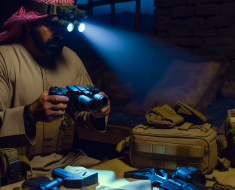
Tactical professionals must constantly assess their environment for threats and opportunities. Developing situational awareness sharpens observational skills and improves rapid decision-making—both critical for maintaining control in uncertainty.
The ability to make quick yet informed decisions boosts confidence because individuals feel less overwhelmed by chaos. In fact, a report from the National Institute of Justice highlights situational awareness as one of the top predictors of law enforcement officer performance under duress.
4. Physical Conditioning and Resilience
Tactical training demands high levels of fitness and endurance which enhances overall resilience. Physical strength supports mental toughness; when individuals know they can physically handle challenges such as running long distances or grappling opponents, their self-confidence rises accordingly.
A survey conducted among SWAT team members revealed that 85% credited their physical conditioning as a key factor in sustaining confidence during prolonged operations involving intense exertion.
Real-Life Case Studies: Confidence Transformed Through Tactical Training
The following case studies demonstrate how tactical training has tangibly increased confidence across different populations beyond traditional military or law enforcement roles.
The Civilian Self-Defense Program
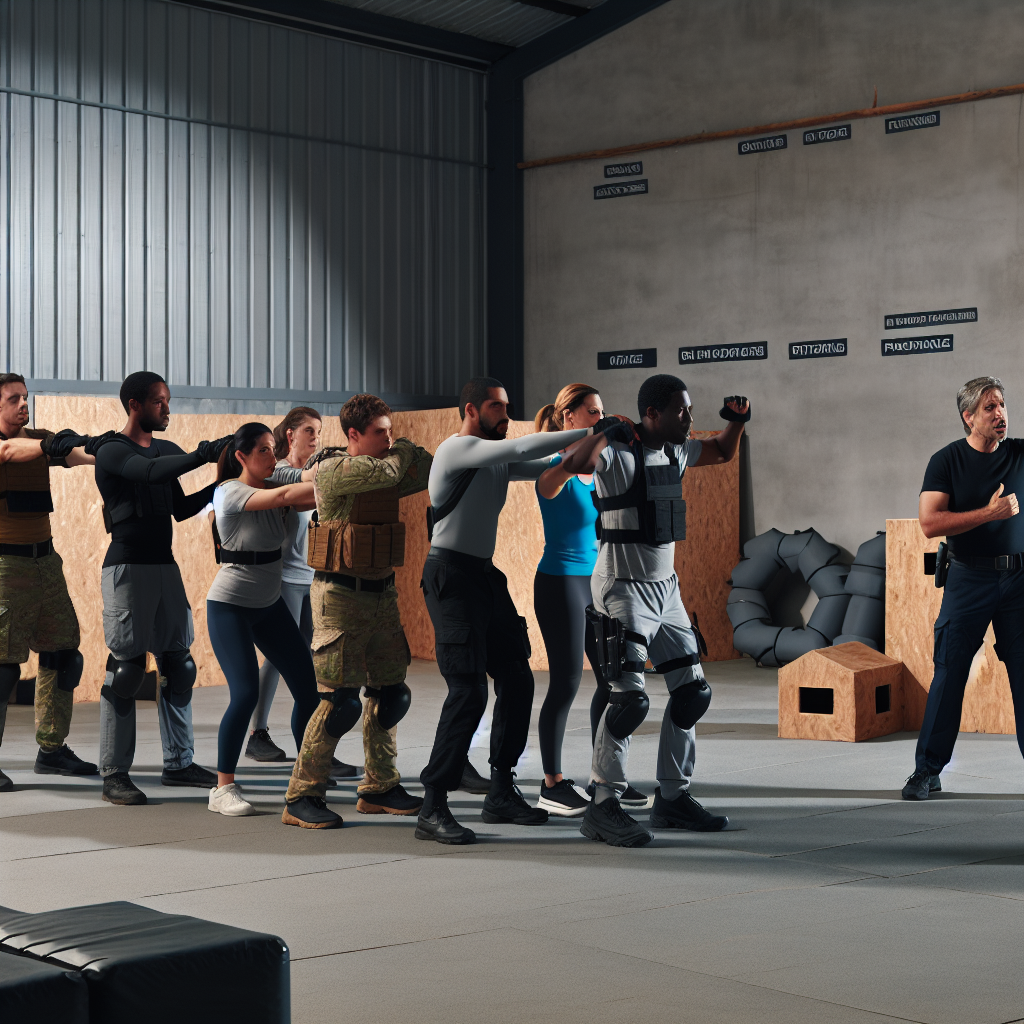
A community-based self-defense program in Texas incorporated tactical principles such as threat recognition drills, scenario-based training, and stress management techniques for women aged 18-45. After six months:
- Participants reported a 40% increase in self-confidence measured through validated psychological scales.
- Over 90% felt better prepared to handle real-life confrontations without panic or hesitation.
- The program reduced fear-related avoidance behaviors by half among attendees.
This example highlights how even non-professionals can harness tactical methods to overcome fear and develop assertiveness in daily life situations.
This example highlights how even non-professionals can harness tactical methods to overcome fear and develop assertiveness in daily life situations.
Ultimately, tactical training can serve as a powerful tool for building confidence across diverse groups, fostering resilience and preparedness in various environments.