How to Authenticate Antique Guns: A Comprehensive Guide
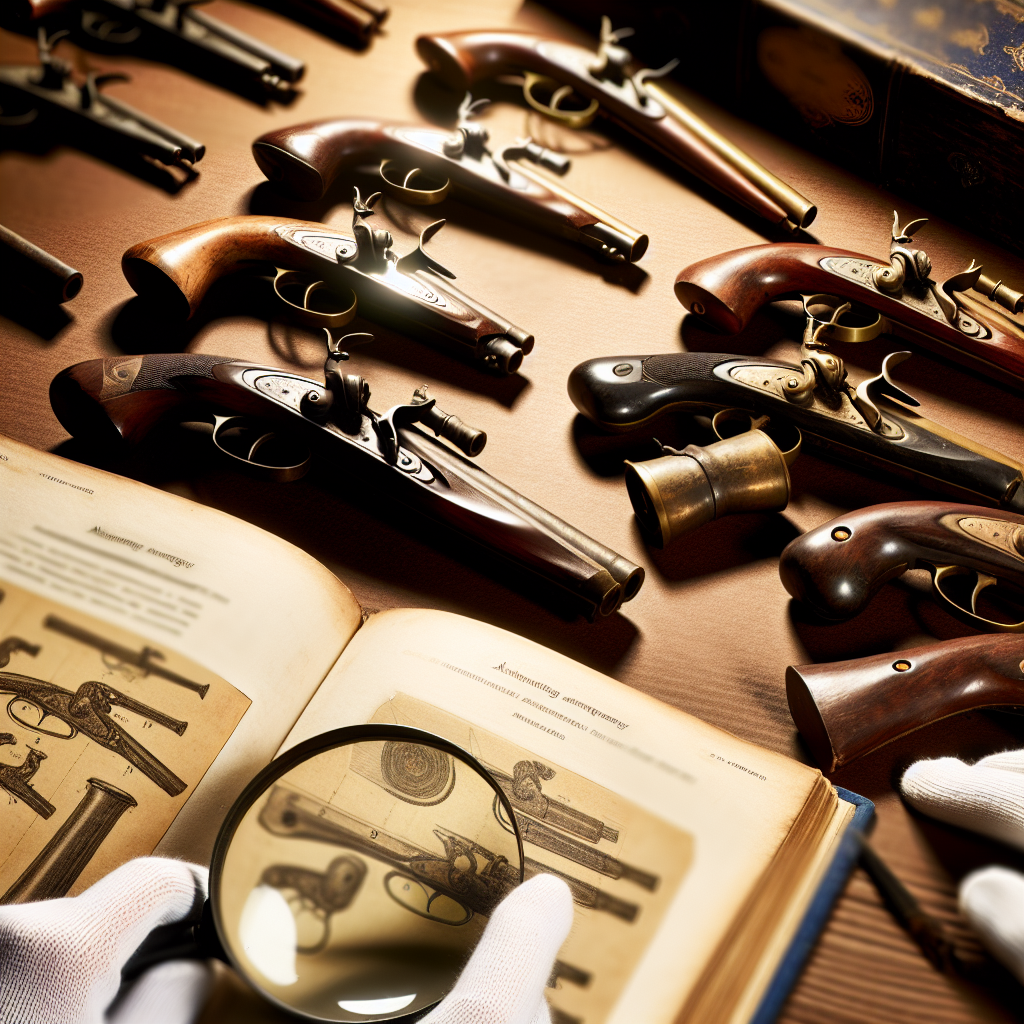
Antique guns are more than just weapons; they are historical artifacts that tell stories of past eras, craftsmanship, and technological evolution. Collectors, historians, and enthusiasts alike treasure these pieces for their cultural significance and rarity. However, with the rise of reproductions and counterfeit firearms, authenticating antique guns has become a crucial skill. Understanding how to verify the authenticity of an antique gun not only protects your investment but also preserves the integrity of history.
Understanding the Importance of Authenticating Antique Guns
Before diving into the technical aspects of authentication, it’s important to grasp why this process matters. Authenticating antique guns ensures:
- Historical Integrity: Genuine antique firearms provide accurate insights into the technological advancements and historical contexts of their time.
- Financial Value: Authentic guns generally hold significantly higher market value compared to replicas or fakes.
- Legal Compliance: In some jurisdictions, owning or trading antique firearms requires proper documentation proving authenticity.
- Preservation of Craftsmanship: Recognizing true craftsmanship honors the makers and preserves traditional manufacturing techniques.
A 2022 study by the National Rifle Association (NRA) estimated that over 30% of antique guns sold online may be misrepresented or counterfeit, underlining the importance of due diligence when acquiring these collectibles.
Key Characteristics to Examine When Authenticating Antique Guns
The process of authenticating an antique gun involves a thorough examination of several physical and mechanical features. Below are critical areas collectors should focus on:
1. Manufacturer’s Marks and Serial Numbers
Most genuine antique firearms bear manufacturer’s marks such as logos, proof marks, or serial numbers etched or stamped onto various parts like the barrel, frame, or receiver. These marks can be cross-referenced with official records from manufacturers or historical registries.
- Example: Colt revolvers produced in the late 19th century often have distinct “Colt” trademarks and matching serial numbers on multiple components.
- Tip: Inconsistencies in font style, location, or wear on markings may indicate tampering or reproduction.
2. Materials and Construction Techniques
The materials used in antique firearms can reveal their era and origin. Early guns often used wrought iron or early steel alloys before modern metallurgy advances. The presence of modern metals like stainless steel could be a red flag for reproduction.
- Example: Flintlock muskets from the 18th century usually feature hand-forged iron barrels and wooden stocks crafted from walnut or maple.
- Tip: Inspect welds, screws, and pin types; modern machining techniques differ greatly from historic handcrafting methods.
3. Wear Patterns and Patina
The natural aging process imparts unique wear patterns on antique guns including surface scratches, oxidation (patina), and fading finishes. Artificial aging attempts often fail to mimic these details authentically.
- Case Study: A 2019 investigation by the Firearms Authentication Society found that many “aged” revolvers lacked consistent patina depth under magnification—a giveaway that chemical treatments were applied to simulate age.
- Tip: Genuine patina is uneven and develops over decades; examine areas prone to handling such as grips and trigger guards for natural wear versus uniform discoloration.
4. Mechanical Functionality
The internal mechanisms provide clues about authenticity. Antique guns often use older firing systems like flintlock or percussion caps with specific mechanical tolerances that differ from modern reproductions.
- Example: A genuine Sharps rifle will have distinctive breechblock designs dating back to the mid-1800s that are difficult to replicate precisely today.
- Tip: Disassemble carefully (or have a qualified gunsmith do so) to inspect internal parts for matching wear patterns and craftsmanship consistent with the era.
The Role of Documentation in Gun Authentication
No matter how skilled you are at physical inspection, supporting documentation plays a vital role in confirming an antique gun’s provenance. Important documents include:
- Papers of Provenance: Ownership history tracing back through previous collectors or estates can help verify legitimacy.
- Selling Receipts & Auction Catalogs: Previous sales records especially from reputable auction houses add credibility.
- Census Records & Factory Logs: Some manufacturers maintained detailed production logs which can be accessed via archives or museums—for instance, Winchester Repeating Arms Company records provide serial number matching data for many models produced between 1866-1919.
A well-documented firearm typically commands a premium price due to confirmed authenticity. Conversely, lack of documentation doesn’t automatically imply forgery but requires extra scrutiny during physical examination.
The Importance of Expert Appraisal and Third-Party Verification
If you’re unsure about your ability to authenticate an antique gun yourself, seeking expert assistance is highly recommended. Certified appraisers or firearms historians bring valuable knowledge that can save collectors from costly mistakes.
A well-documented firearm typically commands a premium price due to confirmed authenticity. Conversely, lack of documentation doesn’t automatically imply forgery but requires extra scrutiny during physical examination.
In conclusion, thorough research and expert verification are essential steps in authenticating antique guns, ensuring collectors make informed decisions.