How Gun Laws Impact International Travelers
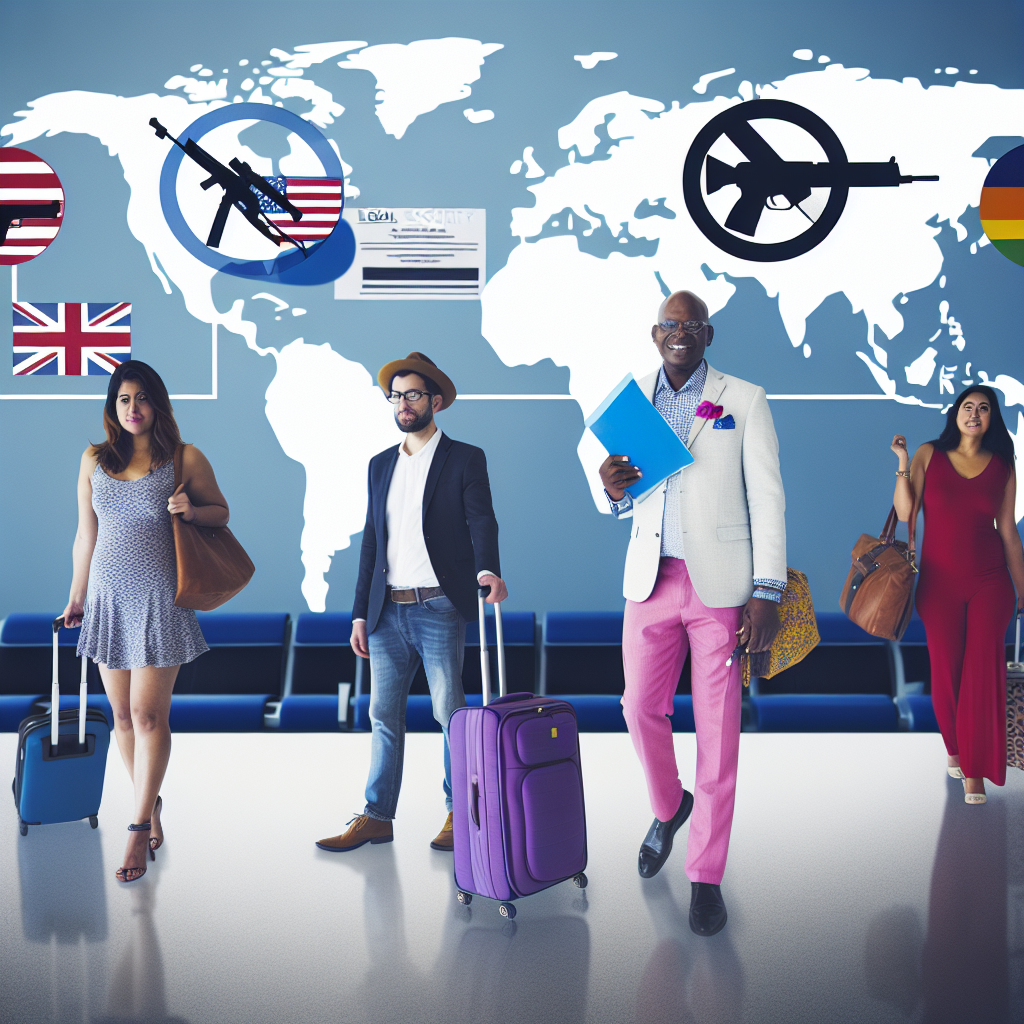
International travel can be an exciting and enriching experience, offering the opportunity to explore new cultures, cuisines, and landscapes. However, one often overlooked aspect that significantly affects travelers is the variation in gun laws across countries. For many, firearms are a sensitive topic, and understanding how gun regulations differ globally is crucial for those who travel internationally—whether they carry firearms for personal protection, sport shooting, or simply want to be aware of local restrictions.
This article delves into how gun laws impact international travelers by examining key legal frameworks, notable case studies, practical advice, and the broader implications of firearm regulations on global mobility.
Understanding Global Variations in Gun Laws
The world’s approach to gun control varies dramatically from one nation to another. These differences stem from historical contexts, cultural attitudes towards firearms, crime rates, and political priorities. For international travelers, this means that what is legal in one country could be strictly prohibited in another.
Some countries have extremely permissive gun laws:
- United States: The U.S. has some of the most lenient gun laws among developed countries. In many states, private citizens can own firearms with minimal restrictions.
- Switzerland: Known for its tradition of militia service and marksmanship, Switzerland allows citizens to keep firearms at home but with strict regulations on usage and storage.
Conversely, other nations enforce very restrictive policies:
- Japan: One of the strictest countries regarding firearms ownership; guns are almost entirely banned except for hunting and sport shooting under stringent licensing procedures.
- Singapore: Enforces a near-total ban on civilian firearm possession with severe penalties for violations.
The global landscape is neither black nor white; many countries fall somewhere in between these extremes. Travelers must understand these distinctions before entering a foreign country with or without firearms.
The Legal Complexities Faced by Travelers Carrying Firearms
Travelers who legally own firearms in their home countries often face complex legal challenges when crossing international borders. Issues include:
- Import/export restrictions: Many countries prohibit bringing in firearms without explicit permission or licenses.
- Licensing and permits: Even if a traveler has a valid license at home, it may not be recognized abroad.
- Cultural misunderstandings: In some places, carrying even non-lethal weapons (e.g., pepper spray) may be illegal or frowned upon.
A classic example involves U.S. travelers attempting to bring handguns into European Union member states. Although the EU has harmonized some firearm regulations under directives like the European Firearms Directive (2017/853), individual member states retain significant discretion over enforcement and licensing requirements.
This means a U.S. citizen carrying a legally owned handgun must comply not only with EU-wide rules but also with country-specific laws—leading to confusion and potential legal troubles if not properly researched beforehand.
Case Study: The Trouble of Firearm Transport at Airports
The transportation of firearms via commercial airlines presents another layer of difficulty. The International Air Transport Association (IATA) regulates how weapons are transported by air but individual airlines and countries impose additional rules.
- Anecdote from 2018: A Canadian traveler was detained at Heathrow Airport after declaring a firearm in checked luggage but failing to present proper documentation required by UK law. This incident resulted in several hours of questioning and legal warnings despite the weapon being unloaded and securely stored.
- Statistics: According to TSA data from the United States Transportation Security Administration (TSA), over 4,000 firearms were discovered at U.S. airport checkpoints in 2022 alone—many due to ignorance about firearm transport rules rather than malicious intent.
This highlights the importance for travelers to research both airline policies and destination country regulations thoroughly before traveling with any type of weaponry.
The Impact of Gun Laws on Tourism Safety Perceptions
Gun laws do not only affect travelers who physically carry firearms; they also influence broader perceptions about safety which can impact tourism trends worldwide.
Countries with strict gun control often market themselves as safe destinations, which appeals especially to families and solo travelers seeking secure environments. For example:
- Iceland, known for minimal violent crime partly attributed to stringent firearm regulations and cultural factors, ranks consistently as one of the safest countries globally according to the Global Peace Index (2023).
- New Zealand’s swift legislative response following the Christchurch mosque shootings in 2019 led to tighter gun controls that reassured many tourists about their safety while visiting.
Conversely, nations struggling with high rates of gun violence may see declines in tourist arrivals or shifts toward more cautious travel behaviors such as avoiding certain neighborhoods or cities altogether.
The Role of Gun Laws in International Sporting Events and Hunting Tourism
A distinct category impacted by gun regulations involves hunting tourism and international sporting events such as shooting competitions or biathlon championships.
These activities necessitate transporting specialized firearms across borders legally—a process that requires compliance with multiple layers of regulation including import permits, proof of ownership, registration with local authorities, and sometimes mandatory quarantines or inspections. Understanding these regulations is crucial for travelers to ensure a smooth and lawful experience.