How Gun Laws Affect Firearm Modifications and Accessories
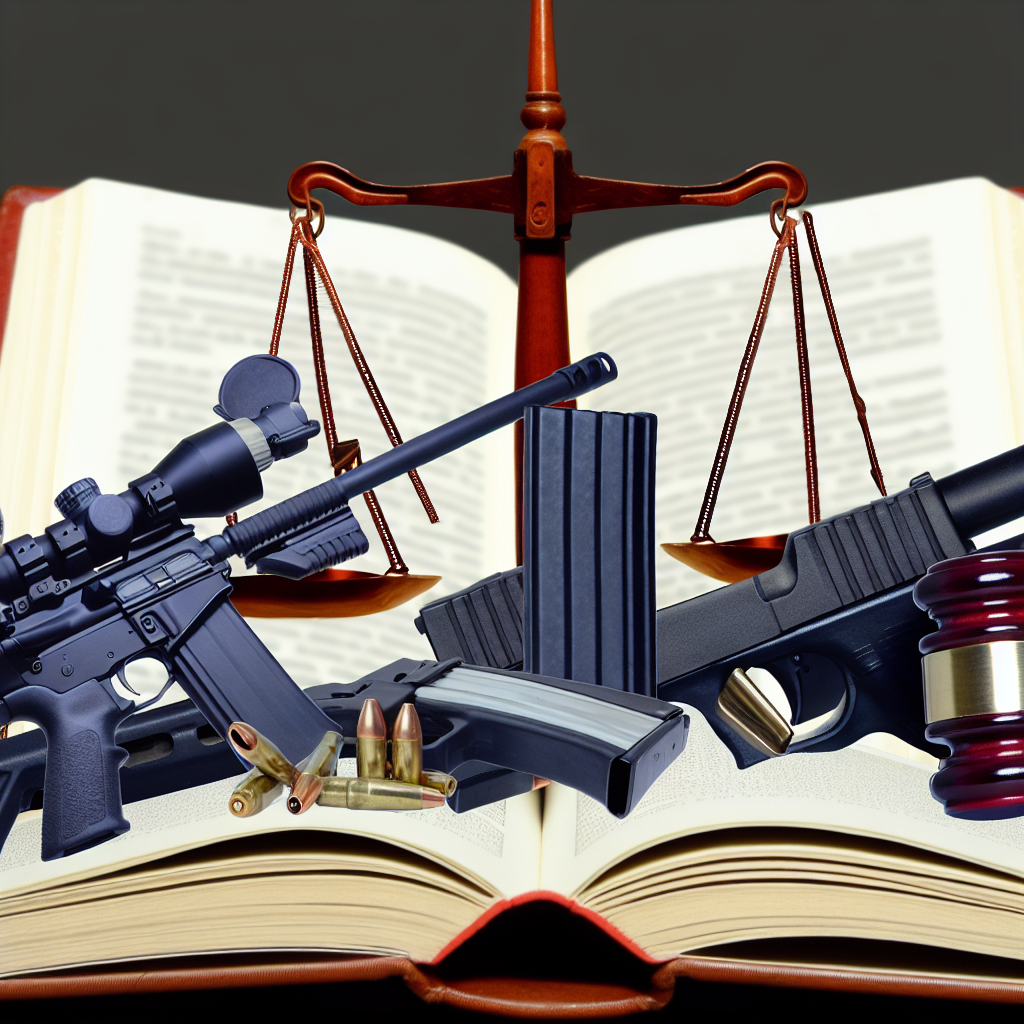
The relationship between gun laws and firearm modifications and accessories is complex and multifaceted. Across the globe, regulations on firearms vary widely, often reflecting cultural attitudes toward guns, public safety concerns, and political climates. These laws not only govern the ownership and use of firearms but also significantly impact how gun owners can modify their weapons or equip them with various accessories. This article explores how gun legislation influences firearm modifications and accessories, highlighting legal frameworks, practical implications, and case studies to provide a comprehensive understanding of this dynamic topic.
The Legal Landscape: Understanding Gun Laws and Their Scope
Before delving into the specific effects of gun laws on firearm modifications and accessories, it is essential to understand the broader legal context. Gun laws encompass statutes, regulations, and ordinances that control the manufacture, sale, possession, modification, and use of firearms. These laws are often categorized into federal, state/provincial, and local levels in many countries.
Key aspects of gun laws that influence firearm modifications include:
- Definitions of prohibited weapons: Certain types of firearms or modifications (e.g., fully automatic weapons) are banned outright.
- Regulation of firearm components: Some parts like barrels, triggers, or stocks might be regulated to prevent conversions or enhancements that increase lethality.
- Accessory restrictions: Laws may limit attachments such as suppressors (silencers), high-capacity magazines, or optical sights.
- Licensing and registration: Some jurisdictions require owners to register modified firearms or obtain permits for specific accessories.
For example, in the United States, the National Firearms Act (NFA) regulates items like short-barreled rifles (SBRs), silencers, and machine guns. Owners must register these items with the Bureau of Alcohol, Tobacco, Firearms and Explosives (ATF) and pay a tax stamp. Conversely, other countries such as Australia have much stricter prohibitions on certain modifications following mass shooting incidents.
Common Firearm Modifications: What Are They and Why Do People Use Them?
Firearm modifications can range from cosmetic changes to functional enhancements designed to improve accuracy, ergonomics, or firepower. Gun owners modify their weapons for various reasons including sport shooting optimization, hunting efficiency, home defense customization, or personal preference.
Typical firearm modifications include:
- Trigger upgrades: Modifying triggers to reduce pull weight for faster firing.
- Barrel replacements: Installing longer or heavier barrels for increased accuracy.
- Stock alterations: Changing stocks for better fit or recoil management.
- Sights and optics: Adding scopes or red-dot sights for improved targeting.
- Muzzle devices: Attaching compensators or suppressors to control recoil or noise.
The availability of aftermarket parts has expanded dramatically over recent decades due to technological advances in manufacturing such as CNC machining and polymer molding. This has enabled hobbyists and professionals alike to customize firearms extensively. However, not all modifications are legally permissible everywhere.
The Impact of Gun Laws on Modifications: Restrictions and Compliance Challenges
Laws regulating firearm modifications are primarily aimed at preventing increased lethality or circumventing existing controls on certain weapon types. These restrictions can create significant challenges for gun owners wishing to customize their firearms legally.
Key restrictions affecting modifications include:
- Banned configurations: Many jurisdictions prohibit converting semi-automatic rifles into fully automatic ones or creating short-barreled rifles without proper authorization.
- Muzzle device limitations: Suppressors are heavily regulated in countries like the U.S., requiring background checks and tax stamps; in other countries like Canada they are banned outright.
- Magazine capacity caps: Some states limit magazines to 10 rounds to reduce potential harm during mass shootings—this affects accessory sales and ownership.
- Pistol brace regulations: The classification of stabilizing braces has been controversial in U.S. law enforcement circles due to concerns they convert pistols into short-barreled rifles under federal law.
A concrete example is California’s strict assault weapon ban which prohibits certain features like pistol grips, folding stocks, flash suppressors on semi-automatic rifles—effectively banning many popular aftermarket parts commonly used by enthusiasts nationwide. This forces residents either to avoid these parts entirely or face legal penalties including fines and confiscation.
The complexity of laws across different jurisdictions also means that gun owners must remain vigilant about compliance when purchasing parts online or modifying firearms while traveling between states with different regulations. Ignorance can lead to inadvertent violations resulting in severe criminal charges.
The Role of Accessories: Enhancing Functionality Within Legal Boundaries
Apart from internal modifications, firearm accessories play a vital role in shaping how guns are used safely and effectively. Accessories can improve handling comfort, accuracy under stress conditions, or concealment options without necessarily altering the firearm’s core functions.
Commonly regulated accessories include:
- Sights & Optics: While usually unrestricted federally in places like the U.S.
some countries limit magnification levels or prohibit laser sights that could enhance targeting capabilities. Understanding these regulations is crucial for responsible firearm ownership.
In conclusion, staying informed about local laws and regulations is essential for any gun owner looking to modify their firearms or purchase accessories legally.