What You Need to Know About Open Carry Laws in Your State
Open carry laws in the United States vary significantly from state to state, influencing how citizens can legally carry firearms in public. Understanding these laws is essential for gun owners, law enforcement, and the general public alike. Whether you are a seasoned firearm carrier or considering carrying a weapon for the first time, knowing the legal framework surrounding open carry can help you stay compliant and avoid potential legal issues.
Understanding Open Carry: Definition and Basics
Open carry refers to the practice of carrying a firearm visibly on one’s person in public. This contrasts with concealed carry, where the firearm is hidden from view. While open carry might seem straightforward—simply carrying your gun where others can see it—the reality is that laws governing this practice are complex and highly localized.
The primary purpose of open carry laws is to regulate how firearms are displayed in public spaces to balance individual rights with public safety concerns. Some states embrace open carry as a constitutional right under their interpretation of the Second Amendment, while others impose restrictions or outright bans.
Key points about open carry include:
- Legal Requirements: Some states require permits or licenses for open carry, while others allow it without any formal permission.
- Types of Firearms: Laws may differ depending on whether the firearm is a handgun, rifle, or shotgun.
- Location Restrictions: Even in states that permit open carry, certain locations like schools, government buildings, or private property may prohibit it.
- Age and Background Checks: Typically, carriers must meet minimum age requirements and pass background checks to legally possess firearms.
The Spectrum of Open Carry Laws Across States
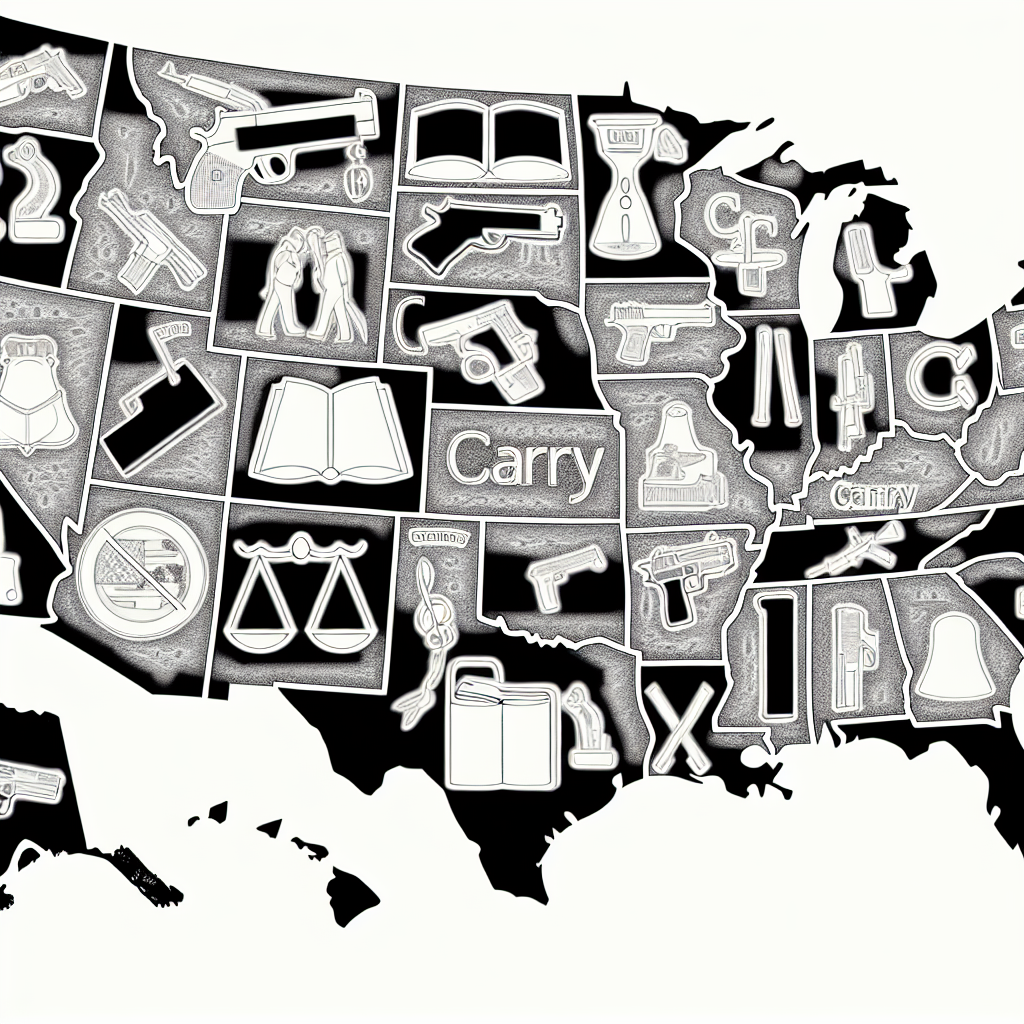
The United States exhibits a broad range of approaches when it comes to open carry laws. These can be generally categorized into three groups: permissive states, regulated states, and prohibited states.
Permissive States
In permissive states such as Arizona, Alaska, and Vermont, open carry is generally allowed without a permit. For example:
- Arizona: Allows anyone legally allowed to possess firearms to openly carry them without a license anywhere except federal properties or private property where prohibited.
- Vermont: Known for its “constitutional carry” policy that permits both concealed and open carry without a permit since its founding days.
This approach emphasizes minimal government interference and broad gun rights protections. However, even these states impose certain limits—open carry may be restricted in sensitive areas such as schools or courthouses.
Regulated States
Many states fall into the regulated category, requiring permits or licenses for open carrying firearms. These include Texas, Florida, and Pennsylvania among others. For instance:
- Texas: Requires individuals to have a License to Carry (LTC) to openly carry handguns in most public places; rifles and shotguns are more loosely regulated.
- Pennsylvania: Allows open carry without a license but restricts it in certain municipalities and requires permits for concealed carry.
This middle ground attempts to ensure responsible gun ownership by mandating background checks and training before allowing open carrying.
Prohibited States
A small number of states either ban open carrying entirely or severely restrict it. California and New York are examples where strict regulations apply:
- California: Generally prohibits open carrying of firearms in public except under very limited circumstances such as rural areas or with specific permits.
- New York: Prohibits open carrying of handguns; only concealed carry permits are issued under strict conditions.
The rationale behind such restrictions often relates to high population density, concerns about gun violence, or political climate favoring stricter gun control measures.
Navigating Location-Based Restrictions
No matter the state’s general stance on open carry, there are almost always exceptions concerning where you can legally openly carry your firearm. Understanding these location-based restrictions is critical for responsible gun owners.
- Schools and Educational Institutions: Federal law prohibits firearms on school grounds except for authorized personnel; many states reinforce this prohibition with additional penalties for violations.
- Certain Government Buildings: Courthouses, post offices, and other federal facilities often ban all firearms regardless of state law due to federal jurisdiction.
- Parks and Recreational Areas: Regulations vary widely; some parks allow open carry while others ban firearms entirely.
- Private Property Rights: Property owners can prohibit firearms on their premises through clear signage; violating these notices may result in trespassing charges even if state law allows open carry generally.
A notable example comes from Texas where the “Campus Carry” law allows licensed individuals to openly carry handguns on university campuses but excludes certain areas like sporting events or dormitories. This nuanced regulation highlights how location-based rules can significantly impact when and where you can openly carry your firearm legally.
The Impact of Open Carry on Public Safety and Society The debate over open carry policies remains contentious across the nation, with advocates arguing that it promotes self-defense and deters crime, while opponents raise concerns about increased risks of gun violence and public fear.
Understanding these laws is crucial for responsible gun ownership and ensuring public safety.