Guide to Customizing Your Shotgun Forend
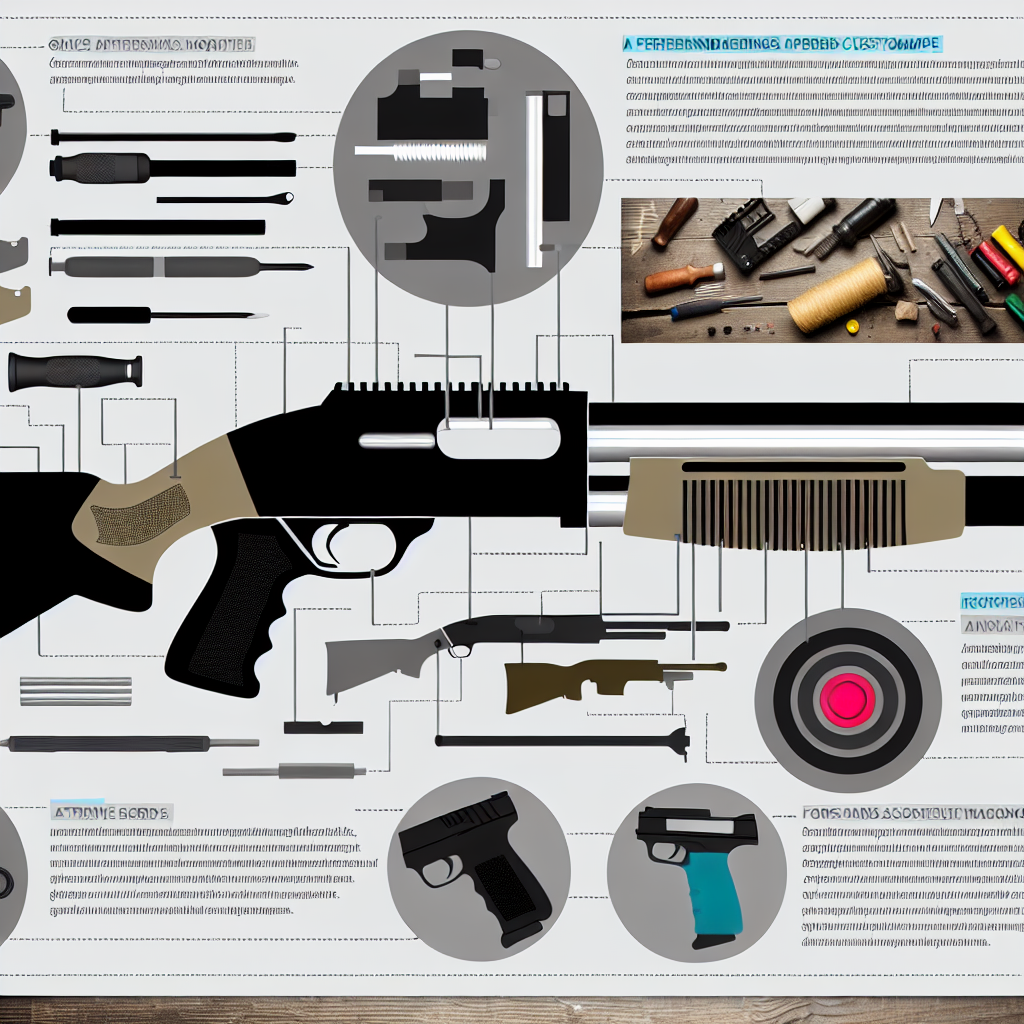
The shotgun forend, also known as the forearm or fore-end, is an essential component of any shotgun. It serves as the grip area for your support hand and plays a significant role in the handling, comfort, and overall performance of the firearm. Customizing your shotgun forend can enhance ergonomics, improve recoil management, and even add aesthetic appeal to your firearm. Whether you are a seasoned hunter, competitive shooter, or tactical enthusiast, understanding how to customize your shotgun forend is crucial.
In this comprehensive guide, we will explore the different aspects of shotgun forends customization—from materials and styles to practical modifications. We’ll also highlight relevant examples and statistics to help you make informed decisions when personalizing this critical part of your shotgun.
Understanding the Role of the Shotgun Forend
The forend is located on the underside of the shotgun barrel and is held by the support hand during operation. Its primary functions include:
- Providing a secure grip for better control during firing
- Aiding in recoil absorption and management
- Allowing smooth cycling of pump-action shotguns
- Offering mounting points for accessories on certain models
According to data from the National Shooting Sports Foundation (NSSF), over 40% of shotgun owners customize some aspect of their firearm, with grip and stock upgrades being among the most common. The forend plays a vital role in both comfort and performance, making it a natural candidate for customization.
Choosing the Right Material for Your Shotgun Forend
The material of your shotgun’s forend directly affects durability, weight, grip texture, and overall feel. The most common materials used are wood, synthetic composites, and aluminum alloys.
Wood Forends
Wood remains a classic choice favored by hunters and traditionalists due to its aesthetics and natural feel. Common woods include walnut, maple, and birch. Wood offers several benefits:
- Aesthetic Appeal: Rich grain patterns add elegance.
- Comfort: Warms to hand temperature quickly.
- Customization: Can be checkered or engraved easily.
Example: The Remington 870 Express Synthetic model allows easy swapping from its original synthetic forend to a beautiful walnut one without compromising reliability.
Considerations: Wood can be heavier than synthetic materials and may require more maintenance to prevent warping or cracking under extreme weather conditions.
Synthetic Forends
Synthetic materials such as polymer composites are increasingly popular due to their robustness and versatility. These materials typically offer:
- Lightweight Construction: Reduces overall firearm weight.
- Weather Resistance: Impervious to moisture and temperature extremes.
- Enhanced Grip Texture: Often molded with aggressive checkering or stippling.
Case Study: Benelli’s SuperNova features an advanced polymer forend that is resistant to harsh environments—a favorite among waterfowl hunters operating in wetlands.
Aluminum and Metal Forends
Anodized aluminum or metal-forged forends cater mostly to tactical or competition shooters who require enhanced durability and accessory mounting options. These typically provide:
- Tactical Versatility: Integrated Picatinny rails or M-LOK slots allow attachment of lights, lasers, or grips.
- Dissipation of Heat: Metal dissipates heat generated from rapid firing better than wood or polymer.
- Sleek Modern Look: Appeals aesthetically in tactical setups.
Example: The Magpul SGA forend offers modularity with aluminum reinforcements ideal for competitive shooting scenarios where accessory mounting is critical.
Selecting the Ideal Shape and Size
The physical dimensions and shape of the forend influence how comfortably you can hold your shotgun—especially during extended shooting sessions. Key considerations include length, contouring, and diameter.
- Length: A longer forend allows more hand placement options but may add weight; shorter models are lighter but provide less gripping surface.
- Diameter: Thicker forends provide more material to hold but might be less comfortable for shooters with smaller hands; thinner ones offer faster cycling on pump shotguns but may reduce comfort under recoil.
- Sculpting/Ergonomics: Some custom forends feature finger grooves or palm swells that increase grip security without increasing bulkiness.
User Insight: Competitive shooter Julie Smith reported improved accuracy after switching from a factory standard straight-forend on her Benelli M2 to an aftermarket sculpted design that offered better finger placement during rapid follow-up shots (source: Competitive Shooter Magazine, 2022).
Additions & Enhancements: Functional Modifications You Can Make
Beyond choosing material and shape, numerous modifications can upgrade your shotgun’s functionality through its forend area.
Here are some popular enhancements you can consider when customizing your shotgun’s forearm region: tactical lights, forend grips, and adjustable stocks can significantly improve handling and versatility.
Ultimately, customizing your shotgun forend can enhance both performance and comfort, making your shooting experience more enjoyable.