The secret behind handgun recoil often has less to do with raw power and more to do with what the frame is made of. While barrel length, cartridge choice, grip shape, and gun weight all play a role, the frame material can noticeably change how recoil is felt in the hand. For responsible gun owners, understanding this difference can help with smarter buying decisions, better training, and more comfortable, controlled shooting.
How Frame Material Changes Felt Recoil
One of the biggest reasons frame material matters is how it affects mass and energy transfer. A heavier frame generally absorbs more of the recoil impulse, which can make a handgun feel softer and easier to control. A lighter frame, on the other hand, tends to move more sharply in the hand, which many shooters interpret as increased recoil even when the cartridge is identical. That’s the basic “secret”: the gun may be firing the same round, but the frame changes how that energy reaches the shooter.
Frame rigidity also plays a part. Some materials flex slightly under recoil, and that flex can influence how the impulse is distributed through the grip. This is one reason two handguns chambered in the same caliber can feel very different during live fire. Grip angle, bore axis, slide design, and recoil spring setup all interact with the frame material, so felt recoil is really a system effect rather than a single-number measurement.
For practical use, this matters most when choosing a handgun for regular range practice, self-defense, or concealed carry. A gun that feels too snappy may discourage training, and that can hurt proficiency over time. When evaluating a firearm, it is wise to handle and, if possible, test-fire models with different frame materials before buying. Always verify the gun is unloaded before handling, follow range rules, and remember that comfort and controllability are safety issues, not just preferences.
Comparing Aluminum, Steel, and Polymer Frames
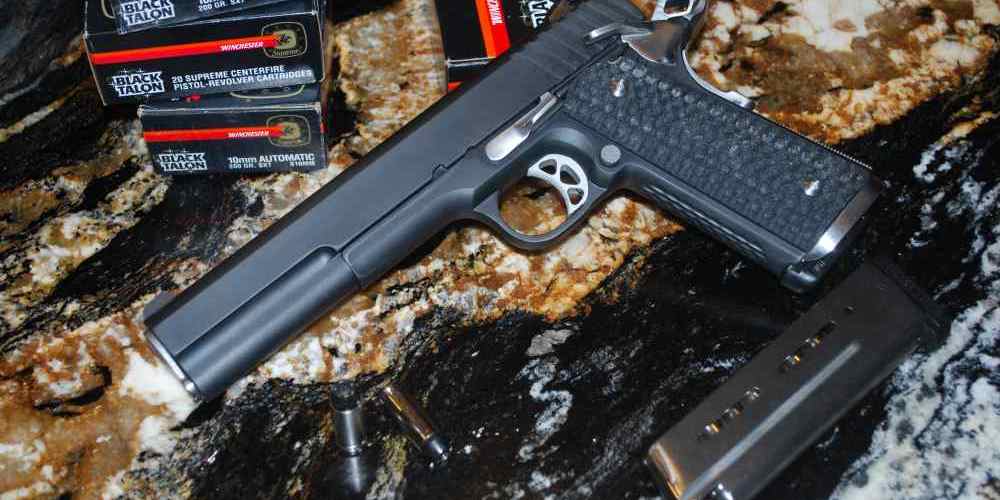
Steel frames are the classic benchmark for recoil control. Their extra weight helps dampen recoil and reduce muzzle rise, which is why many competition shooters and enthusiasts still appreciate all-steel handguns. Historically, steel dominated early service pistols and revolvers because it offered strength, durability, and a stable shooting experience. The tradeoff is obvious: steel pistols are usually heavier, which can make them less convenient for daily concealed carry or extended field carry.
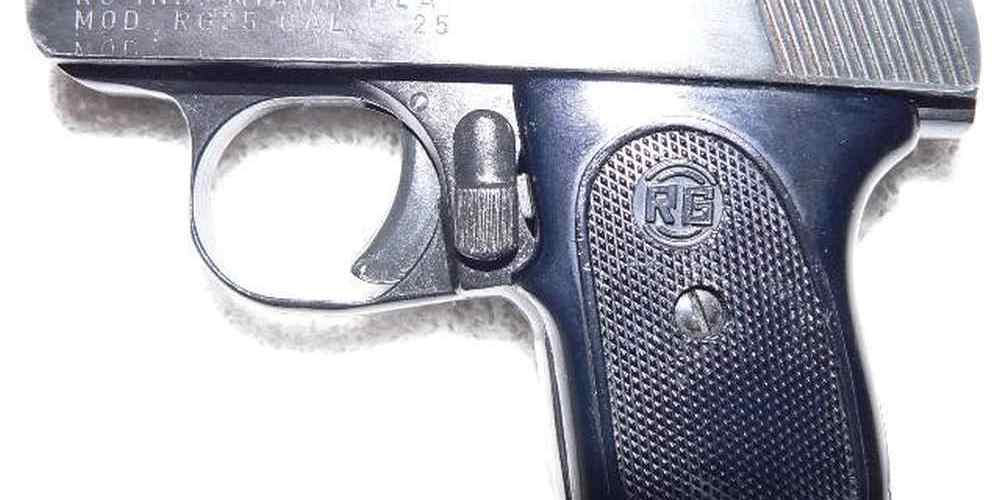
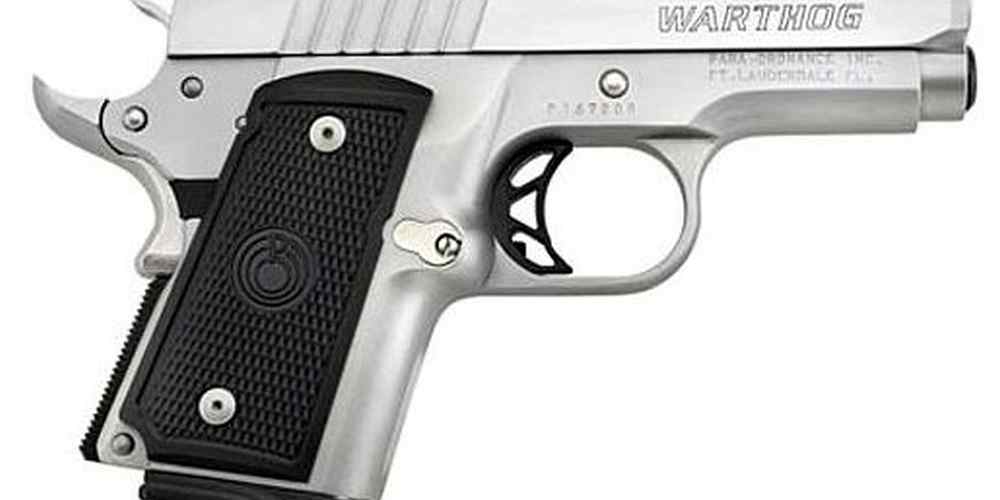
Aluminum frames sit in the middle. They are lighter than steel, which makes them easier to carry, but they usually do not soften recoil as much as a heavier gun. Many shooters find aluminum-framed pistols to be a practical balance of portability and shootability, especially in standard defensive calibers. From a technical standpoint, aluminum alloys can offer excellent durability when properly engineered, but they often benefit from careful maintenance and attention to wear in high-round-count use.
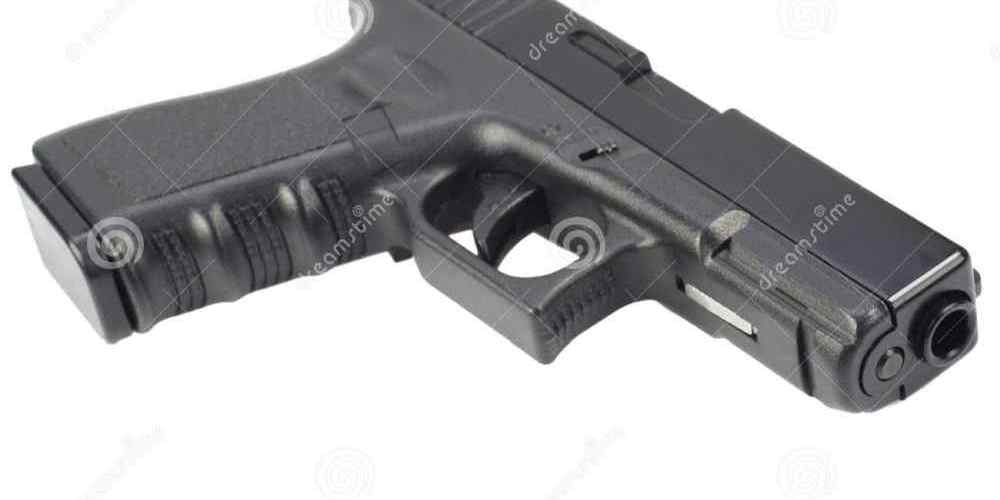
Polymer frames changed the handgun market by offering low weight, corrosion resistance, and lower manufacturing cost. Because polymer is lighter than metal, polymer-framed handguns often feel more energetic in recoil, especially in compact models or higher-pressure calibers. That said, modern designs frequently compensate with internal locking systems, recoil springs, textured grips, and low bore axes that help make them very manageable. For many owners, polymer’s biggest advantage is practicality: it is lightweight, reliable, and easy to carry, but shooters should be aware that a lighter frame may require more disciplined grip technique and training to control muzzle flip effectively.
The real lesson is that felt recoil is not just about caliber; it is about how the handgun’s frame material manages the force. Steel tends to smooth recoil, aluminum offers a balanced compromise, and polymer prioritizes lightweight carry with a livelier impulse. None of these is automatically “best” for every shooter, because the right choice depends on intended use, hand strength, training goals, and carry needs.
For responsible firearm owners, the best approach is to compare options thoughtfully and shoot them if possible before deciding. A handgun that you can control confidently and practice with regularly is often a better choice than one that looks impressive on paper but is unpleasant in your hand. As always, handle firearms safely, store them securely, and follow all applicable laws and range procedures.