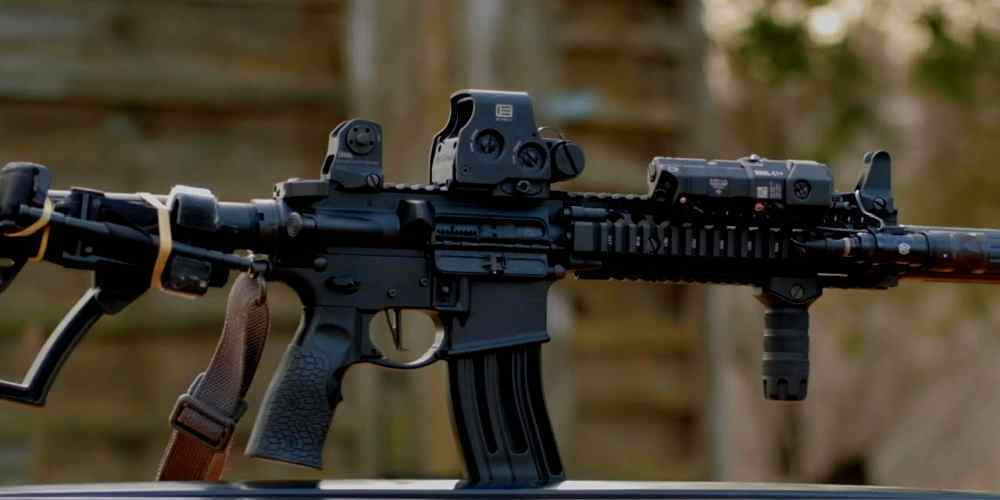
For firearm owners who rely on optics, lights, laser modules, and other rail-mounted accessories, maintaining zero and repeatability is more than a convenience—it is a matter of confidence and capability. A well-aligned rail system helps ensure that accessories return to the same point of impact or point of aim after removal, cleaning, transport, or reconfiguration. Whether you’re setting up a hunting rifle, a defensive carbine, or a range-ready pistol, the small details in rail alignment can make a meaningful difference in performance and consistency.
How Rail Alignment Helps Preserve Zero
A rail system works best when the interface between the firearm and the accessory is as consistent as possible. In practical terms, that means the rail slots, mounting surfaces, and clamping pressure should all work together without introducing stress or angular error. If an accessory sits slightly canted or unevenly seated, even a well-zeroed optic or laser can shift when the mount is removed and reattached. That is why careful alignment matters: it reduces the chance of unwanted movement and helps the accessory return to the same position each time.

This is especially important with optics mounted to Picatinny or similar standardized rails, where small deviations can become visible at distance. Historical lessons from military and law enforcement use helped drive the development of more uniform accessory mounting standards, because repeatability under recoil and field conditions is essential. On a precision rifle, a tiny shift can alter point of impact enough to matter at 100 yards and beyond. On a defensive firearm, the concern is less about long-range precision and more about ensuring that your light, aiming device, or red dot remains dependable when you need it most.
Rail alignment also supports safe and responsible ownership by preventing avoidable frustration and range errors. If an accessory is consistently zeroed, the shooter is less likely to make unnecessary adjustments, waste ammunition, or doubt the equipment during training or a hunting season. As with any firearm setup, always verify function in a safe direction, follow the manufacturer’s instructions, and confirm that all accessories are legal for your intended use and jurisdiction. Good alignment is not a substitute for training, but it is a smart foundation for reliable gear.
A Simple Trick for Repeatable Accessory Zero
One of the simplest ways to improve repeatable zero is to mount the accessory with a consistent forward pressure against the rail slot or stop surface before tightening the clamp. In many setups, especially with quick-detach mounts and some optics mounts, this helps seat the accessory against the same reference point each time. The idea is not to force anything or over-torque hardware, but to eliminate tiny gaps and keep the mount from settling differently under recoil. When done correctly and according to the manufacturer’s specifications, this can greatly improve return-to-zero performance.
A practical routine is to clean the rail interface first, inspect the crossbolts or lugs for wear, and then place the accessory in the same slot or indexed position every time. Tighten hardware evenly and to the recommended torque value, using the proper tool if one is specified. Many experienced shooters also mark successful mounting positions during setup so they can quickly return to a proven configuration after maintenance or battery changes. This is especially helpful for hunters and defensive shooters who may need to remove accessories for transport or storage and then reassemble their firearm with confidence.
The best results come from pairing the alignment trick with good equipment choices. Quality mounts with solid locking mechanisms, properly machined rails, and durable accessories are more likely to hold zero than bargain components with loose tolerances. Still, even premium gear should be checked on the range after any change to the setup, because real-world recoil, environmental conditions, and handling can reveal issues that bench work cannot. Responsible firearm owners know that a confirmed zero is earned through inspection, proper installation, and live-fire verification, not assumption.
A rail system alignment trick may sound like a small detail, but in the world of firearms accessories, small details often decide whether a setup feels dependable or unpredictable. By seating mounts consistently, following torque recommendations, and verifying everything with safe range testing, you can help your accessories return to zero more reliably and with less hassle. That kind of consistency benefits everyone from hunters in the field to responsible citizens who keep a defensive firearm ready for lawful use.