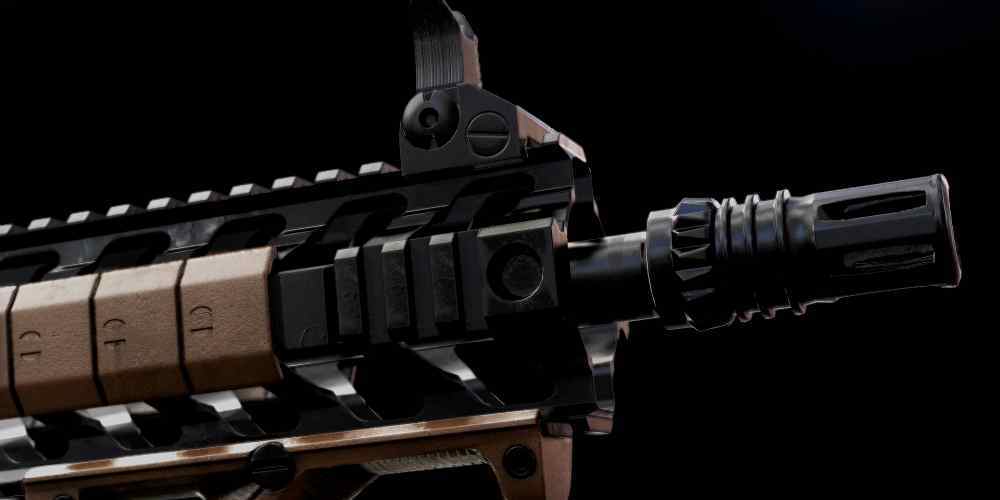
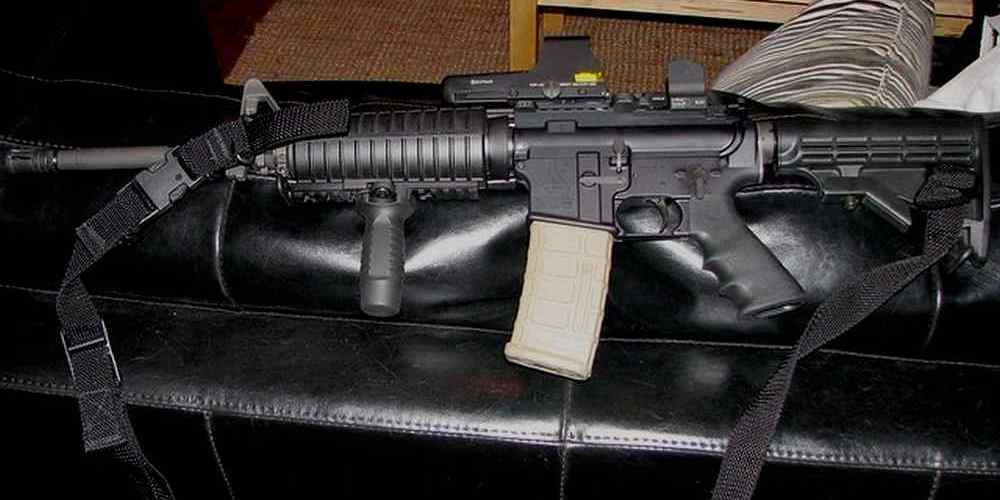
A rail cover may seem like a small accessory, but for many shooters it solves a very real problem: exposed accessory rails can be sharp, uncomfortable, and hard on the hands during long range sessions or field use. A slim rail cover gives you a cleaner, safer surface to grasp without turning a lightweight setup into a bulky one. For gun owners who value both control and handling comfort, it is one of those simple upgrades that quietly improves the whole rifle.
A Slim Rail Cover That Shields Your Hands
The modern handguard is built for versatility, but bare rail sections can be unforgiving. On rifles with Picatinny-style slots or exposed mounting edges, the corners may feel abrasive, especially when your support hand shifts into different positions during training, hunting, or administrative handling. A slim rail cover fills that gap and creates a smoother contact surface, helping protect gloves and bare hands alike from unnecessary wear and hot spots.

What makes this trick effective is that it works without changing the character of the rifle. Instead of adding a large wrap or oversized foregrip, a thin cover sits close to the rail and preserves the original profile. That matters for shooters who care about balance, sling use, and fast transitions. A less cluttered handguard is often easier to index consistently, and consistent indexing supports safer, more controlled firearm handling.
Historically, shooters have always looked for ways to tame harsh contact points on working rifles. Early solutions ranged from improvised tape to rubber sleeves and wooden hand stops, but the goal was the same: make the firearm more comfortable and more controllable without compromising function. Today’s rail covers are simply the refined version of that idea, made with modern polymers and modular designs that install easily and remove cleanly when your setup changes.
Why It Adds Grip Without Extra Bulk
A good slim rail cover does more than soften the edges of the handguard. It can improve traction by giving your support hand a slightly tackier, more defined surface to lock into, especially in wet weather, cold conditions, or when gloves reduce tactile feedback. That extra grip can help you keep steadier control without needing a thick rubberized wrap or oversized accessory that may snag on gear.
The key advantage is preserving the rifle’s natural ergonomics. Many shooters prefer a narrow, streamlined front end because it allows quicker manipulation and less fatigue over time. A cover that sits flush with the rail can protect your hand while maintaining a low profile, which is especially useful on carbines used for range practice, patrol-style training, backcountry carry, or defensive readiness. In practical terms, it improves comfort while letting the rifle handle the way it was intended.
When choosing one, look for heat resistance, secure locking tabs, and materials that can stand up to repeated handling. Some polymer covers are designed to snap into standard rail slots, while others use a softer texture for better grip. For responsible firearm owners, the smartest option is the one that supports safe control, reliable installation, and compatibility with your specific handguard. Always verify fit on an unloaded firearm, and check that the cover does not interfere with lights, lasers, or other accessories you actually use.
In the end, the best rail cover is the one you barely notice—except for how much more comfortable and controlled the rifle feels in your hands. That is the appeal of a slim solution: it protects without adding unnecessary weight, bulk, or complexity. For shooters who want practical improvements, this is a simple upgrade with real-world value. As with any firearm accessory, choose quality, install it correctly, and make sure it supports safe, legal, and responsible use every time you pick up your rifle.