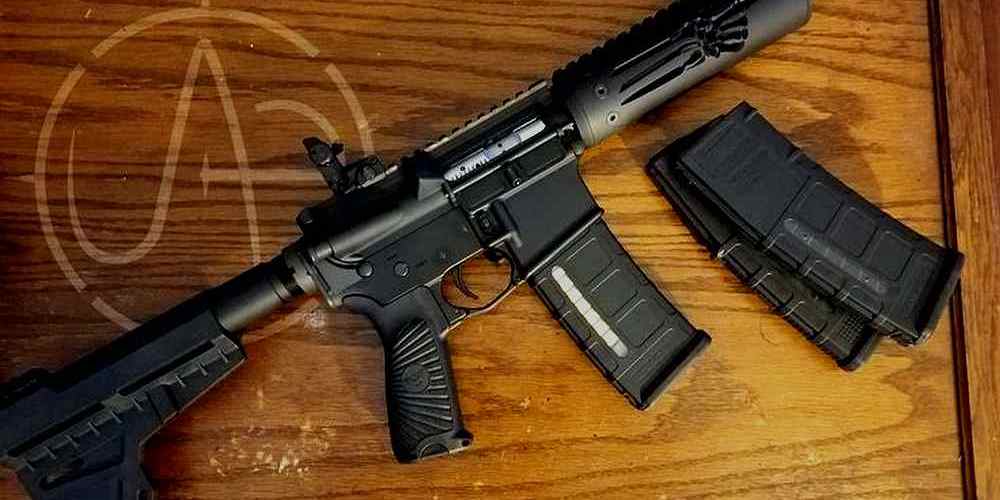
Magazine reliability is one of the biggest factors in AR-15 performance, and feed problems are often traced back to the magazine long before they point to the rifle itself. For shooters who depend on their rifles for training, hunting, or lawful self-defense, a design that improves feeding consistency can make a meaningful difference. This article looks at the engineering ideas behind magazines built to reduce feed failures and why those details matter in real-world use.
How This AR-15 Magazine Stops Feed Failures
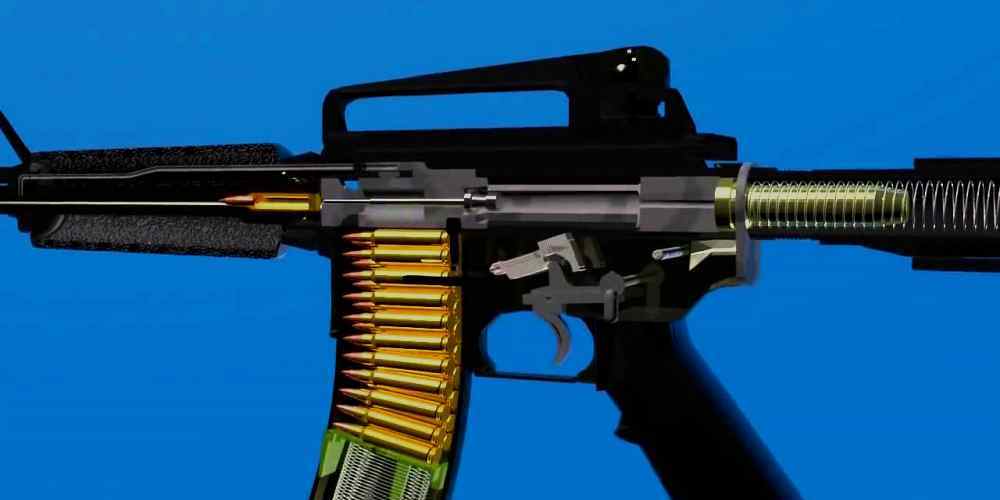
A dependable AR-15 magazine starts with how it presents each round to the bolt. Feed failures often happen when cartridges nose-dive, tilt, or shift under recoil and cycling, so the magazine has to control round position from the moment it is loaded until the last round is stripped. Designs that reduce internal friction, keep the follower aligned, and maintain strong spring pressure are far better at preventing the common stoppages shooters know too well.

Another major factor is feed lip geometry. The feed lips guide the cartridge into the correct release point, and even small variations can affect whether a round chambers smoothly. Well-made magazines use durable materials and precise shaping to hold cartridges at the proper angle, which helps the bolt pick up each round consistently. That consistency is especially important in rifles that are used hard, carried in the field, or run through long training sessions.
Real reliability also depends on how the magazine behaves over time. Cheap springs can weaken, followers can bind, and bodies can warp or dent, all of which increase the chance of feeding problems. A magazine designed to prevent failures completely focuses on long-term stability: strong spring tension, anti-tilt follower design, and a body that resists deformation. For responsible owners, that means fewer malfunctions and more confidence, provided the rifle itself is properly maintained and the ammunition is of good quality.
Inside the Design That Keeps Rounds Feeding
The heart of a reliable magazine is its follower. Modern anti-tilt followers are shaped to stay level inside the magazine body, which helps keep cartridges aligned as they move upward. Older follower designs could tip forward or bind under pressure, causing the next round to sit too low or at the wrong angle. By keeping the stack of rounds controlled, a better follower helps the bolt strip and chamber ammunition more smoothly.
Spring design matters just as much. The magazine spring must be strong enough to keep rounds moving upward quickly, but not so stiff that loading becomes impractical. Quality springs are designed to maintain consistent tension over many cycles, which helps avoid last-round failures and sluggish feeding. Combined with a smooth interior finish and a properly tensioned body, the spring works as part of a system rather than as a standalone component.
Material selection and manufacturing quality round out the picture. Polymer or aluminum bodies each have strengths, but what matters most is consistency, durability, and resistance to wear in the areas that affect feeding. Tight tolerances, reliable feed lips, and careful testing help ensure each magazine performs the same way every time. For firearm owners, that reliability should always be paired with safe handling, range verification, and routine inspection, because no accessory replaces good maintenance and responsible use.
A magazine may look like a simple accessory, but in an AR-15 it is one of the most important parts of the feeding system. When the design is built around strong springs, stable followers, and precise feed lips, it can dramatically reduce the kinds of failures that interrupt performance. For anyone who values reliability, choosing quality magazines and testing them with your rifle is a practical step toward safer, more confident shooting.