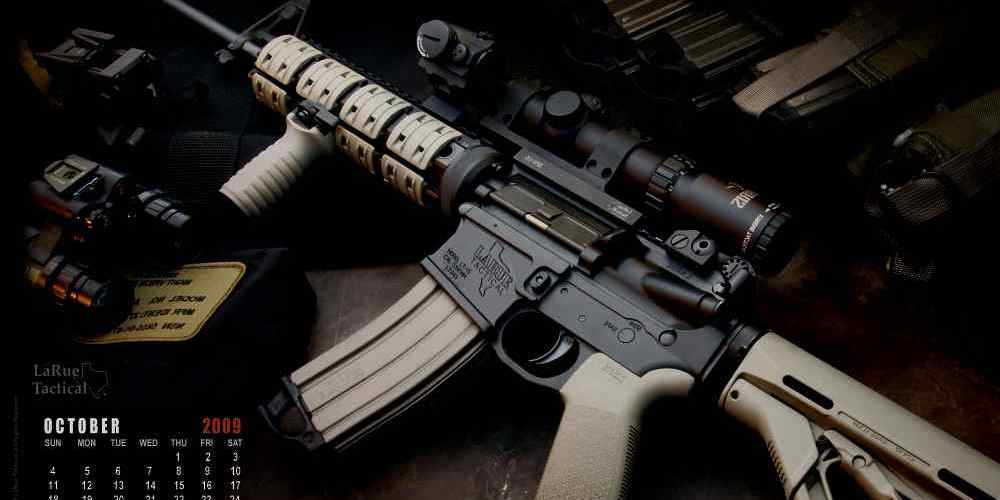
AR-15 owners know that a little movement between the upper and lower receiver can be more than a minor annoyance. That side-to-side wobble often does not make the rifle unsafe, but it can affect how the gun feels, how consistent your setup is, and how much confidence you have in the platform. For hunters, home defenders, and recreational shooters alike, a solid-feeling rifle simply inspires more trust at the range and in the field.
The good news is that buffer tube wobble is usually manageable, and there are purpose-built upgrades designed to tighten the fit without compromising function. When chosen wisely and installed correctly, the right enhancement can take a loose-feeling AR-15 and make it feel noticeably more refined. As with any firearm modification, the priority should always be reliability, safety, and compliance with applicable laws and regulations.

Why AR-15 Buffer Tube Wobble Matters
AR-15 wobble usually shows up as play between the upper and lower receiver, or as movement associated with the receiver extension and stock assembly. In many rifles, a small amount of movement is normal and comes from the tolerances required in mass-produced parts. The AR platform was built to be modular, and that modularity can sometimes produce a slight looseness that shooters notice immediately, even if the rifle still functions perfectly.
That said, wobble matters because feel affects use. A rifle that shifts in the hands can seem less stable when mounting optics, transitioning between targets, or settling in for a precise shot. For someone using a red dot for defensive readiness or a magnified optic for hunting, even modest play can be distracting. Accuracy is still primarily determined by barrel quality, ammunition, and shooter skill, but a more secure-feeling platform often improves consistency and confidence.
There is also a practical maintenance angle. Excess movement can make it harder to keep accessories aligned and can contribute to the perception that a rifle is “loose,” especially after extended use. While it is important not to overstate the issue—many perfectly serviceable rifles have a bit of wiggle—responsible owners should pay attention to how their firearm feels over time. If the wobble is excessive, persistent, or accompanied by other mechanical issues, it is worth inspecting the rifle carefully or consulting a qualified gunsmith.
The Upgrade That Locks the Fit Tight
One of the most effective ways to reduce AR-15 wobble is a receiver tensioning or buffer-tube-related fit enhancement designed to remove slack between the upper and lower assembly. In practical terms, these upgrades typically use an adjustable tension point, a tightened interface, or a precision-fit component that reduces unwanted movement without interfering with normal operation. The result is a rifle that feels more cohesive, with less rattle and a more solid lockup.
Among the most popular solutions are tension devices that apply light pressure at the rear of the lower receiver, keeping the upper and lower snug during use. Some designs use set screws, while others rely on specialized end plates, receiver sets, or enhanced buffer tube components. The best options are built with durability in mind and installed in a way that preserves reliability. A properly executed upgrade should not bind the action, impede takedown, or create unnecessary wear on the rifle.
Before installing any part, verify that it is compatible with your exact AR-15 configuration, including mil-spec or commercial dimensions where relevant. Follow the manufacturer’s instructions closely, and always confirm the firearm is unloaded before beginning any work. If you are unsure about torque values, spacing, or how a part interfaces with the receiver extension, have a professional handle the installation. A well-chosen upgrade can make a noticeable difference, but safe installation and functional testing are what make that improvement worthwhile in real-world use.
For AR-15 owners who want a tighter, more confident shooting experience, reducing buffer tube-related wobble is a practical upgrade worth considering. It may not transform the mechanical accuracy of the rifle on its own, but it can improve the feel, consistency, and overall quality of the platform in a meaningful way. That matters whether you are training, hunting, or keeping a rifle ready for defensive purposes.
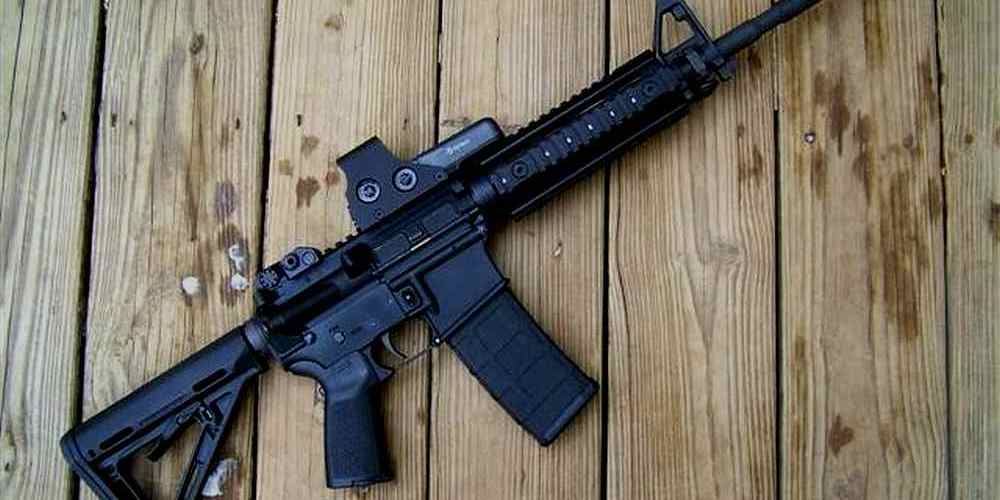
As always, the best modifications are the ones that support dependable performance and responsible ownership. Choose quality parts, install them correctly, and test the rifle thoroughly before relying on it. A solid-feeling AR-15 is not just more enjoyable to shoot—it also reflects a careful, informed approach to firearm maintenance and safety.