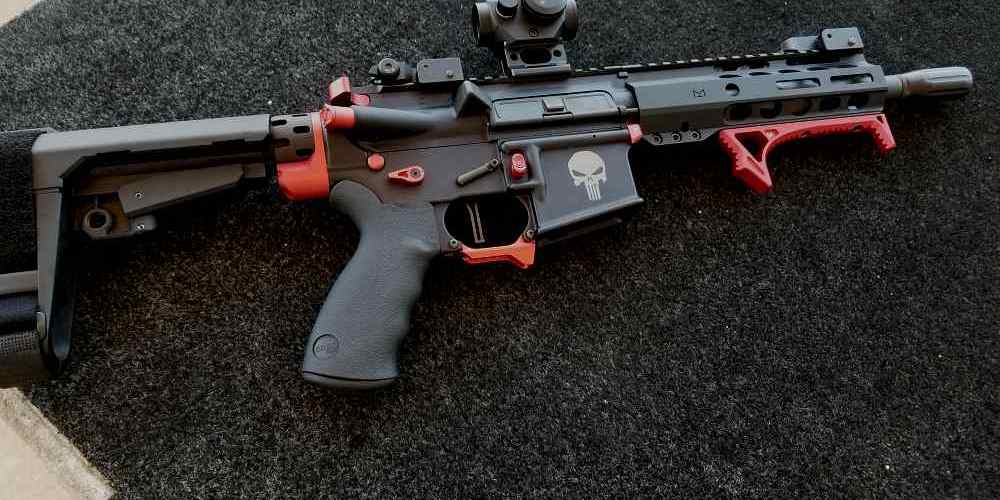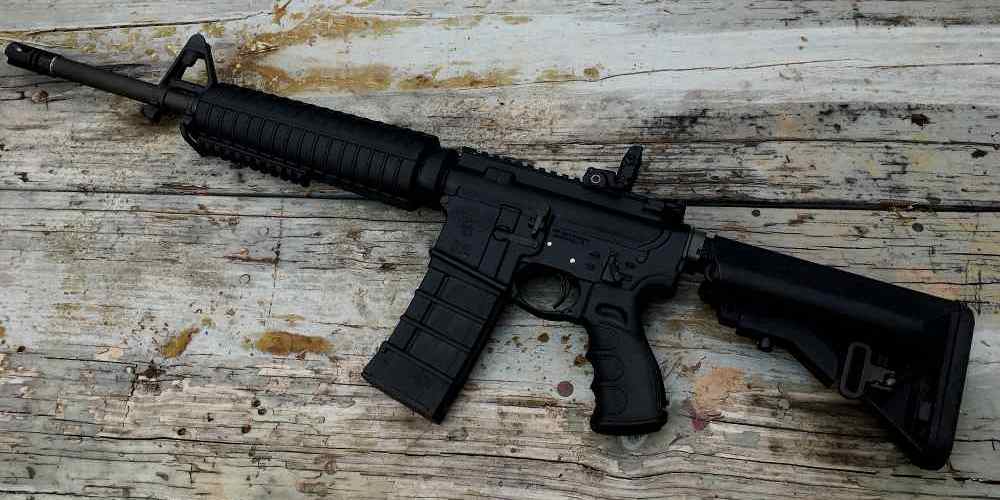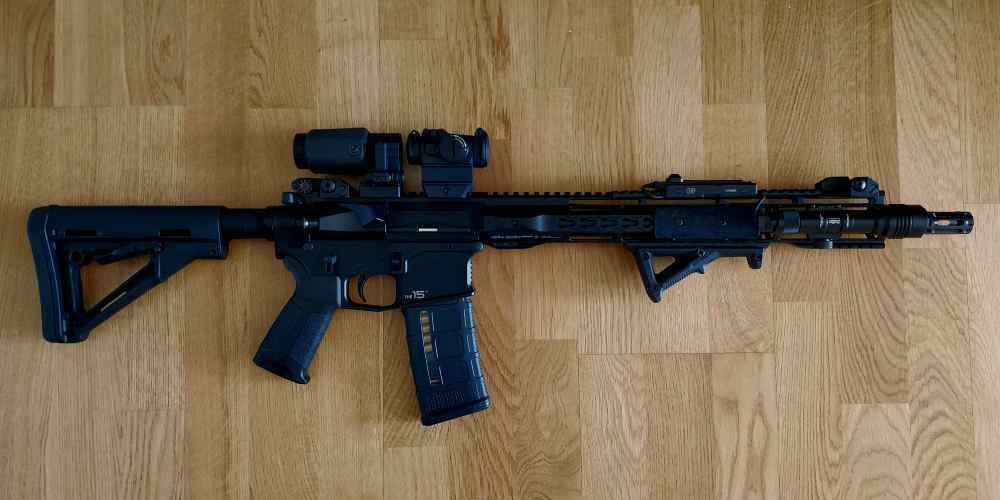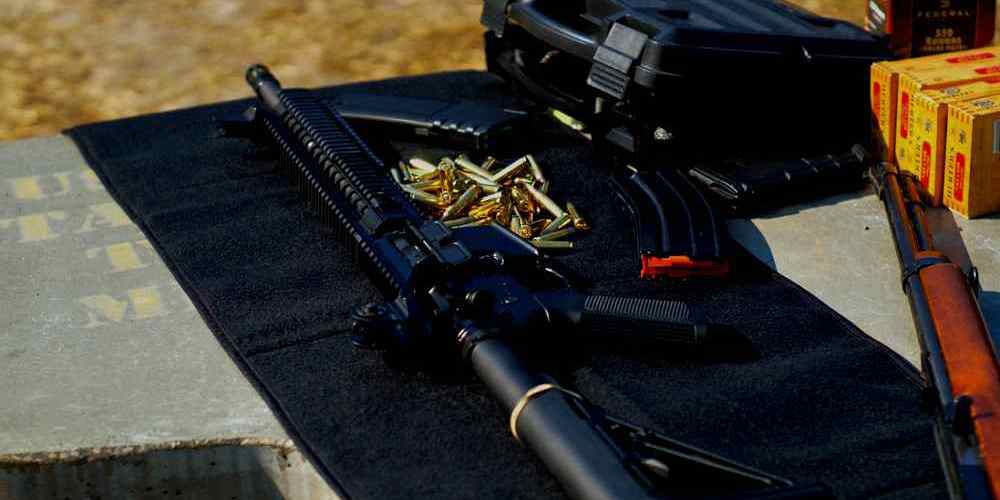
If you’ve ever mounted a light, optic, sling point, or foregrip on an AR-15, you already know that “good enough” isn’t good enough. Accessories only help when they stay exactly where you put them, and that stability comes down to the rail system doing its job correctly. The secret behind rock-solid AR-15 accessories isn’t magic or brute force—it’s the way modern rails lock into place, resist shifting, and maintain repeatable alignment under real-world use. For responsible owners, hunters, and defensive shooters, understanding that system helps you choose better gear, install it properly, and keep your rifle dependable. ===
The Rail Locking Secret Behind Solid Mounts
The foundation of a secure AR-15 accessory setup is simple: a rail must index consistently and clamp firmly enough to prevent movement without damaging the firearm or the accessory. On the AR platform, that usually means a combination of standardized interfaces, tight machining tolerances, and a locking method that keeps the mount engaged even when the rifle is bumped, carried, or fired repeatedly. Whether you’re using Picatinny, M-LOK, or another mounting pattern, the core idea is the same—mechanical engagement beats friction alone.

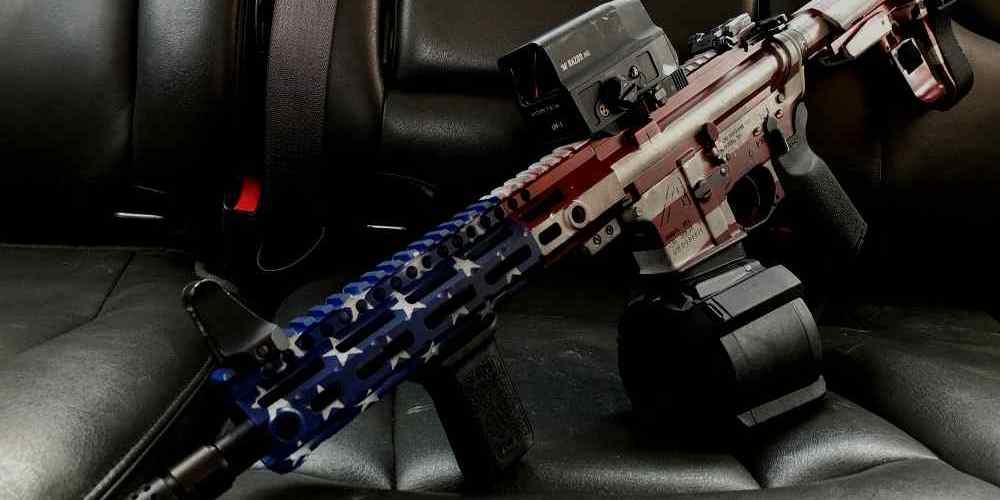
Historically, Picatinny rails became popular because they offered a repeatable, military-developed standard for mounting optics and accessories. Their cross-slot design gives accessories a defined position, so the mount doesn’t rely only on surface grip. Modern systems like M-LOK refined that concept by letting accessories attach directly to the handguard through slots and T-nuts or similar hardware, reducing weight while preserving rigidity. That’s the real “secret”: a well-designed rail doesn’t just hold gear—it creates a positive lock that resists side-to-side and forward-and-back movement.
For practical use, the best results come from proper installation. Make sure the rail or handguard is correctly mounted to the upper receiver, follow the manufacturer’s torque specifications, and use threadlocker only where recommended. Check that accessories are fully seated before tightening, and confirm that any locking levers, screws, or nuts are engaged evenly. A secure mount should feel solid, not forced. If an accessory wiggles after installation, don’t ignore it—fix the fit before the rifle sees range time or field use.
Why AR-15 Accessories Stay Secure Under Recoil
AR-15 recoil is relatively mild compared with many rifles, but repeated impulse still tests every mount on the gun. Each shot sends a small amount of force through the receiver, handguard, and attached accessories, and over time that force can reveal weak clamps, loose screws, or poor installation. A properly engineered rail system spreads those forces across a larger contact area and locks the accessory in a way that prevents gradual walking or rotation.
This is especially important for optics, weapon lights, and aiming devices, where even slight movement can affect performance. A red dot that shifts a fraction of an inch, or a light that loosens during recoil, can create frustration and reduce confidence in the rifle. Quality mounts solve that by combining anti-slip features, cross-bolts, recoil lugs, or cam-locks that mechanically resist movement. In other words, the accessory stays secure not because it’s squeezed hard, but because the mounting system is designed to interlock with the rail.
From a real-world standpoint, shooters should inspect accessories regularly, especially after extended range sessions, transport, or rough handling in the field. It’s smart to perform a quick function check before every outing: confirm optic zero, verify that lights and lasers are secure, and look for any visible gaps or shifting. Hunters and defensive users alike benefit from this habit because a stable setup supports safe, reliable operation. A rock-solid rail system is not just about convenience—it’s part of building a rifle you can trust.
The reason AR-15 accessories can stay so secure is that the rail system is designed to do more than just provide mounting space—it creates a reliable mechanical lock. When the rail, mount, and accessory are properly matched and installed, your gear remains stable through recoil, transport, and hard use. For responsible firearm owners, that means better accuracy, better consistency, and fewer problems in the field. Take the time to choose quality components, install them correctly, and inspect them regularly. That attention to detail is what turns a standard setup into a dependable one. ===