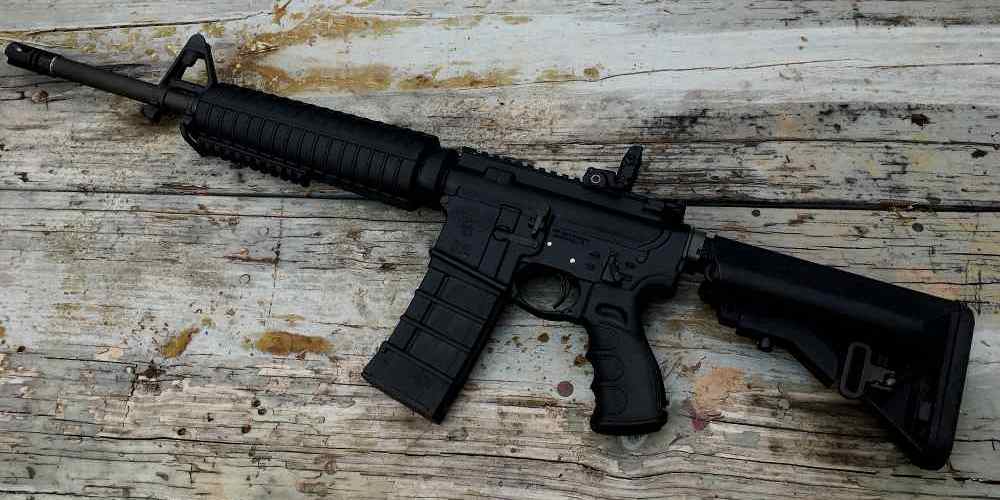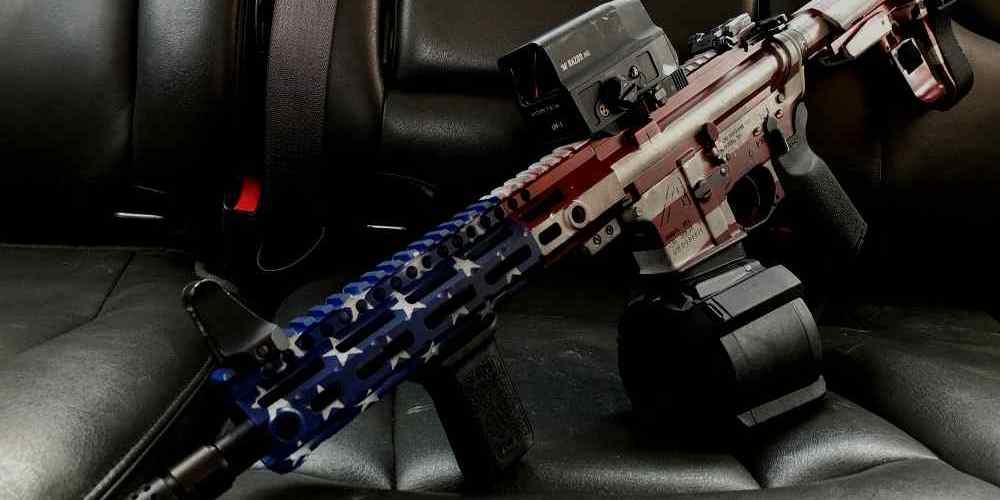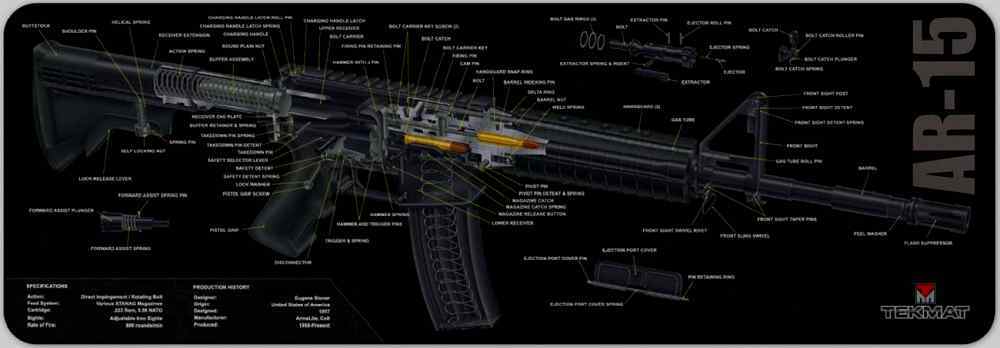
A small change in the way an AR-15 feels in the hand can make a surprising difference in how naturally it points, how steadily it tracks, and how quickly a shooter can get comfortable behind it. Grip angle is one of those details that often gets overlooked until you try a different setup and immediately notice the improvement. For many gun owners, hunters, and defensive shooters, it is one of the simplest ways to fine-tune control without changing the core rifle itself.
Why Grip Angle Changes AR-15 Handling Fast
The AR-15’s original pistol grip angle was designed around a fairly straight, in-line shooting posture that works well for the platform’s ergonomics, but not every shooter’s hands, wrist angle, or use case are identical. A more vertical grip angle can reduce wrist strain, especially when shooting from modern, squared-up stances or when using optics that encourage a heads-up position. That comfort matters because a hand that rests more naturally on the rifle tends to guide it more smoothly.

In practical terms, grip angle affects how much effort it takes to maintain a firm, repeatable hold. If the wrist is bent awkwardly, small amounts of tension can build up fast, and that tension often shows up as wobble, fatigue, or inconsistent trigger control. A better-matched grip angle helps the shooting hand stay relaxed while still secure, which can make the rifle feel more manageable almost immediately. That is especially noticeable during longer range sessions, training classes, or any situation where repeated shoulder mounts are part of the day.
There is also a historical angle to this design choice. Early AR-style grips were shaped around older shooting positions and military doctrine, while modern civilian use has evolved toward faster target transitions, optics-driven sighting, and more varied body mechanics. As a result, many aftermarket grips now offer steeper, more ergonomic angles that better suit contemporary shooting styles. For responsible owners, the key is not chasing trends, but choosing a grip that supports safe, consistent handling and matches the rifle’s intended purpose.
What a Better Grip Angle Does for Control
A grip angle that fits the shooter well can improve control in several important ways. First, it helps align the trigger finger more naturally, which can support cleaner presses and reduce the tendency to pull shots off target. Second, it can make the rifle feel less “front heavy” in the hands because the support grip becomes more efficient and less strained. The result is often better steadiness during aimed fire and faster recovery between shots.
Control also matters when the rifle is being manipulated, not just fired. A comfortable grip can make it easier to maintain positive handling during reloads, safety engagement, and transitions between shooting positions. For hunters and field users, that can mean better control when moving through brush, climbing into position, or shouldering the rifle from an awkward angle. For home-defense-minded owners, it can mean more confident handling under stress, provided the rifle is trained with responsibly and kept within the bounds of local law.
When considering grip upgrades, it helps to look at more than appearance. Check how the grip angle pairs with your stock length, optic height, hand size, and shooting stance. Some shooters prefer a more vertical grip for a modern, upright posture, while others like a traditional angle for bench shooting or familiarity. The best choice is the one that improves comfort without sacrificing safe manipulation, and any change should be followed by practice at the range so the new feel becomes familiar in a controlled, lawful setting.
A grip angle change may seem minor, but on the AR-15 it can have an immediate impact on comfort, confidence, and practical control. When the hand sits more naturally, the rifle often tracks better, handles cleaner, and feels easier to manage across a range of shooting applications. For responsible firearm owners, that kind of improvement is worth paying attention to.
As with any accessory decision, the goal should be fit, function, and safety first. Choose gear that supports your intended use, test it carefully, and confirm that you remain compliant with all applicable laws and regulations. The right grip angle won’t replace training, but it can make good training more effective and the rifle more intuitive to run.