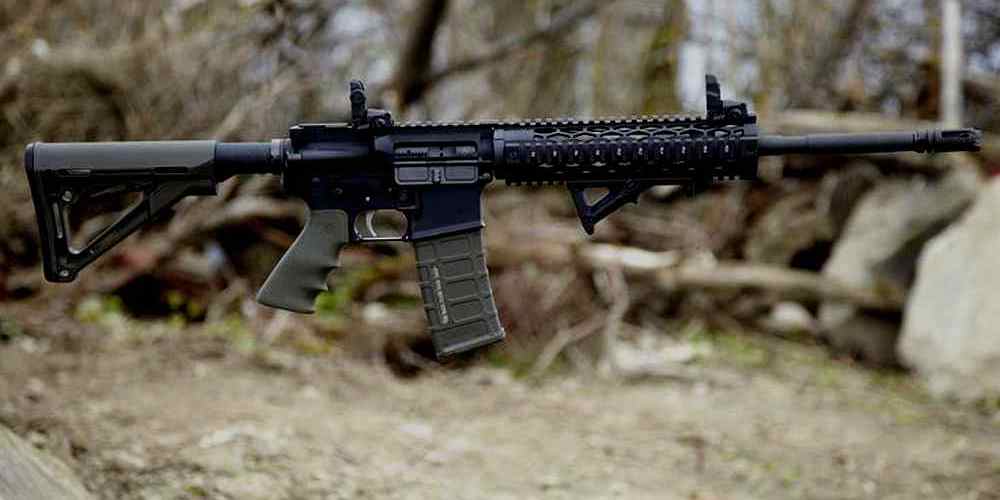
When an AR-15 starts feeling harsher than it should—snappier recoil, more brass flying, or a bolt that seems to cycle with extra violence—many shooters assume something is “wrong” with the rifle. Often, what they are noticing is overgassing. In practical terms, the rifle is receiving more gas than it needs to cycle reliably, which can increase wear, reduce comfort, and make the gun harder to control. For responsible owners, learning to spot the signs early is a smart part of preventative maintenance, whether the rifle is used for training, hunting, home defense, or general range time.
Signs Your AR-15 Is Running Too Hot
One of the most common signs of overgassing is a sharp, abrupt recoil impulse. A properly tuned AR-15 should cycle smoothly, but an overgassed rifle can feel like the bolt carrier is slamming rearward with more force than necessary. Shooters may also notice excessive muzzle rise, faster-than-expected cycling, and a “lively” feel that makes follow-up shots less controlled. These sensations are not just about comfort; they can also indicate that internal parts are taking more abuse than intended.

Brass behavior is another useful clue. If your empties are being launched a long distance—especially forward of the shooter or with a lot of force—it may point to excess gas. You might also see brass with noticeable ejector swipes, bent case rims, or heavy marks from the extractor. While no single piece of brass tells the whole story, a consistent pattern of violent ejection and stressed cases is worth paying attention to. In a healthy setup, ejection is usually more moderate and consistent from shot to shot.
Wear patterns can also reveal an overgassed rifle. Look for unusually fast wear on the bolt carrier, cam pin, buffer, or receiver extension area. Some shooters notice more gas blowing back toward the face, especially with suppressors or certain ammunition. If the rifle runs reliably but feels harsh, that is still a valid diagnostic clue. Reliability matters, but so does balance; a rifle that is excessively overgassed may function today while slowly accelerating parts wear over time.
Quick Checks to Diagnose Overgassing
Start with the simplest variables: ammunition and gas system setup. Different loads generate different pressures, and hot 5.56 NATO ammo can feel more aggressive than softer .223 loads. If the rifle is running a carbine-length gas system, or if it has a lightweight buffer paired with a standard gas port, it may cycle faster than necessary. Comparing how the rifle behaves with different factory loads is a safe first step before changing any parts. Always verify the firearm is unloaded and follow standard safety procedures during inspection.
Next, check the ejection pattern and buffer setup. A useful field check is to watch where the brass lands in relation to the shooter. While ejection angle is not a perfect diagnostic tool, very forward ejection combined with harsh recoil often suggests excess gas or an undersized buffer. Inspect the buffer weight, action spring, and carrier for obvious mismatches or wear. Many AR-15 owners find that a properly matched buffer system can noticeably smooth out the rifle without compromising reliability.
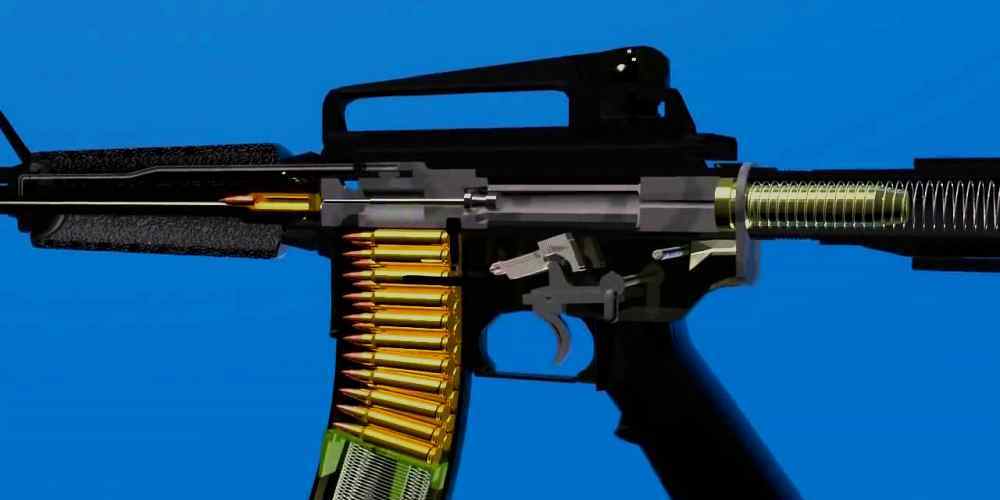
Finally, consider the gas block, gas tube, and suppressor use if applicable. An adjustable gas block can help tune the system, especially on rifles built for mixed use or suppressed shooting, but it should be installed and set up carefully. If you suspect a misaligned gas block or a gas leak, inspection by a qualified gunsmith is the safest route. For suppressed rifles, overgassing is common and often more pronounced, so a purpose-built buffer, adjustable gas system, or properly selected gas-tuning component may be appropriate. The key is to diagnose methodically, make one change at a time, and keep the rifle within safe, reliable operating limits.
An AR-15 that feels overgassed is usually telling you something important, and the good news is that the clues are often easy to spot. Harsh recoil, aggressive ejection, and increased wear all point toward a system that may benefit from tuning. By checking ammunition, buffer weight, gas system setup, and overall wear patterns, you can narrow down the cause without guessing.
Responsible ownership means understanding not only how your rifle functions, but how to keep it reliable, safe, and pleasant to shoot. If you are unsure about a diagnosis or modification, consult a qualified gunsmith or experienced armorer. A well-tuned AR-15 is more controllable, often more durable, and better suited to its intended role—whether that is range use, competition, hunting, or defensive readiness.