Customizing Your Firearm’s Barrel Threading: A Comprehensive Guide
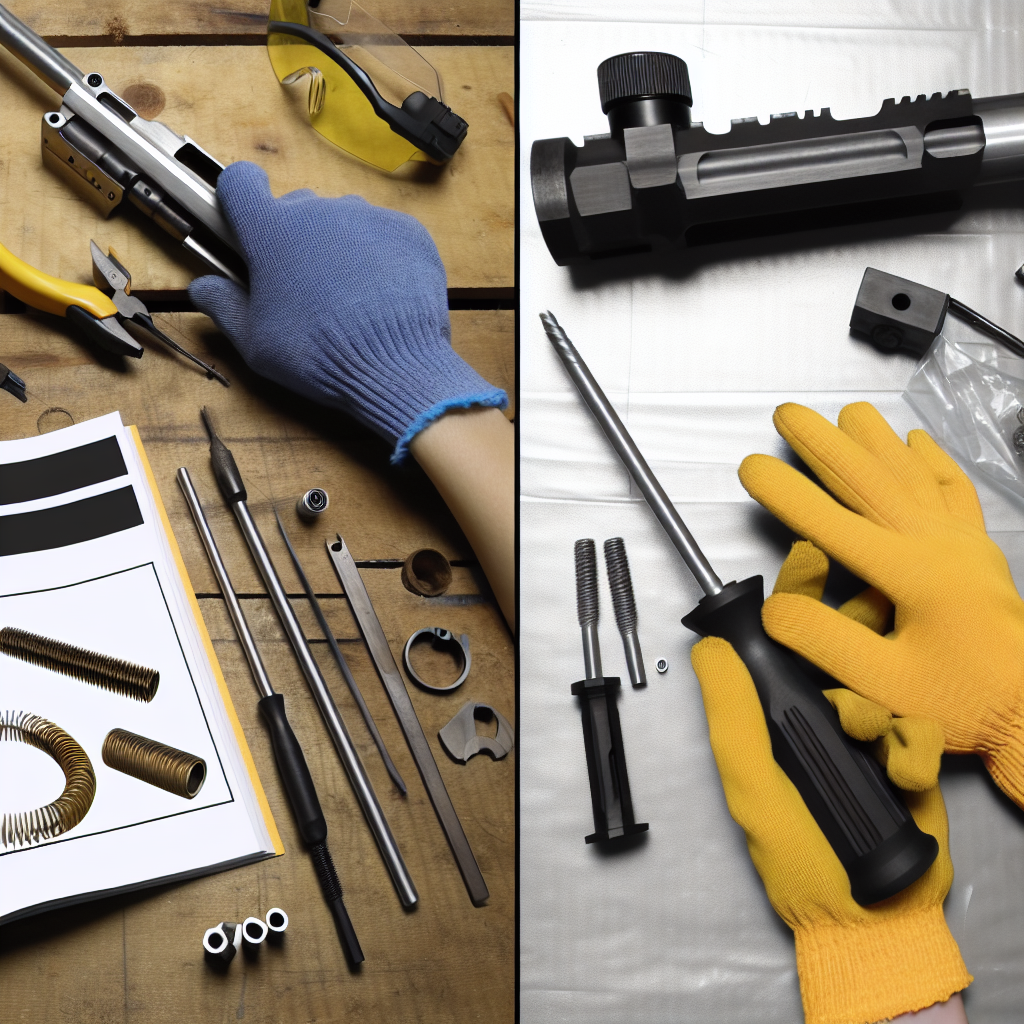
Customizing the barrel threading of your firearm is a popular modification among shooting enthusiasts, hunters, and professionals alike. Whether you aim to attach a suppressor, muzzle brake, or other muzzle devices, understanding the intricacies of barrel threading is essential for ensuring compatibility, safety, and optimal performance.
This article will guide you through the fundamentals of barrel threading customization, explore the benefits and considerations, and provide practical advice backed by expert insights and real-world examples.
Understanding Barrel Threading: What It Is and Why It Matters
Barrel threading refers to the process of cutting helical grooves onto the end of a firearm’s barrel. These grooves allow for the attachment of various muzzle devices by screwing them onto the threaded portion.
Why thread a barrel?
- Attachment versatility: Threaded barrels enable the use of suppressors (silencers), compensators, flash hiders, and other accessories.
- Customization: Shooters can tailor their firearms for specific applications such as tactical shooting, hunting, or competition.
- Improved performance: Certain muzzle devices can reduce recoil, muzzle rise, or flash signature.
The threading process must be precise because improper threading can lead to accuracy issues or unsafe conditions. For example, an incorrectly threaded barrel might cause a muzzle device to misalign with the bore axis, resulting in baffle strikes or damage to the suppressor.
The Technical Aspects of Barrel Threading: Sizes, Pitch, and Materials
Customizing your firearm’s barrel threading involves understanding several technical parameters. These include thread diameter, pitch (threads per inch or metric spacing), thread direction, and material compatibility.
Common Thread Sizes and Standards
The choice of thread size depends on your firearm type and intended accessory. Some common thread sizes include:
- .223/5.56 caliber rifles: Typically use 1/2×28 threads (half-inch diameter with 28 threads per inch).
- .308 caliber rifles: Often use 5/8×24 threads.
- 9mm pistols: Commonly use M13.5x1LH (metric left-hand) threads.
- .45 ACP pistols: May use M16x1LH threads.
The “LH” denotes left-hand threads which prevent accessories from loosening due to barrel rifling direction or recoil forces.
Thread Pitch Explained
The pitch is the distance between each thread crest. It determines how finely or coarsely the threads are cut. Finer pitches allow for tighter fitting but may be more delicate; coarser pitches provide more durability but less precision in fitment.
Material Considerations
The barrel material influences how threading should be approached. Most barrels are made from steel alloys that are hard enough to hold threads securely but soft enough for machining without damaging tooling equipment. Stainless steel barrels require different cutting tools compared to carbon steel due to hardness differences.
The Benefits of Custom Barrel Threading: Enhancing Functionality and Versatility
Custom barrel threading offers several practical advantages that can elevate your shooting experience significantly.
Muzzle Device Compatibility
The primary benefit is enabling attachment of devices that enhance firearm function:
- Suppressors: Reduce noise signature and muzzle flash. Studies show that suppressed firearms can reduce sound levels by over 30 decibels on average, greatly improving hearing protection and stealth in tactical scenarios.
- Muzzle Brakes: Redirect gases to reduce felt recoil by up to 50%, improving follow-up shot speed and accuracy—particularly useful in high-caliber rifles like .300 Win Mag or .338 Lapua Magnum.
- Flash Hiders: Minimize visible muzzle flash to preserve night vision and reduce target detection during low-light operations.
Tactical Flexibility
A threaded barrel allows rapid swapping of attachments depending on mission requirements or shooting disciplines without permanent modifications to the firearm itself. For example, law enforcement officers may switch between a flash hider during daylight patrols and a suppressor during covert operations seamlessly.
Aesthetic Customization
Beyond functionality, custom threaded barrels can add a personalized touch to your firearm’s appearance by pairing it with unique muzzle devices made from different materials like titanium or coated in Cerakote finishes for corrosion resistance and style.
Considerations Before Customizing Your Barrel Threading
Certain factors must be carefully evaluated before proceeding with barrel threading customization to avoid compromising your firearm’s integrity or violating legal regulations.
Legal Restrictions and Compliance
Laws surrounding threaded barrels vary widely depending on jurisdiction:
- NFA Regulations (USA): Adding a threaded barrel intended for suppressor attachment may classify your firearm as a “silencer” under National Firearms Act rules unless properly registered with ATF paperwork and tax stamps are obtained.
- Civilian vs Military Use: Some countries prohibit civilian ownership of threaded barrels designed for sound suppression
Civilian vs Military Use: Some countries prohibit civilian ownership of threaded barrels designed for sound suppression, so it’s crucial to check local laws before making modifications.
By understanding these factors, you can ensure a safe and compliant customization process for your firearm.