Customizing Your Firearm’s Controls for Comfort
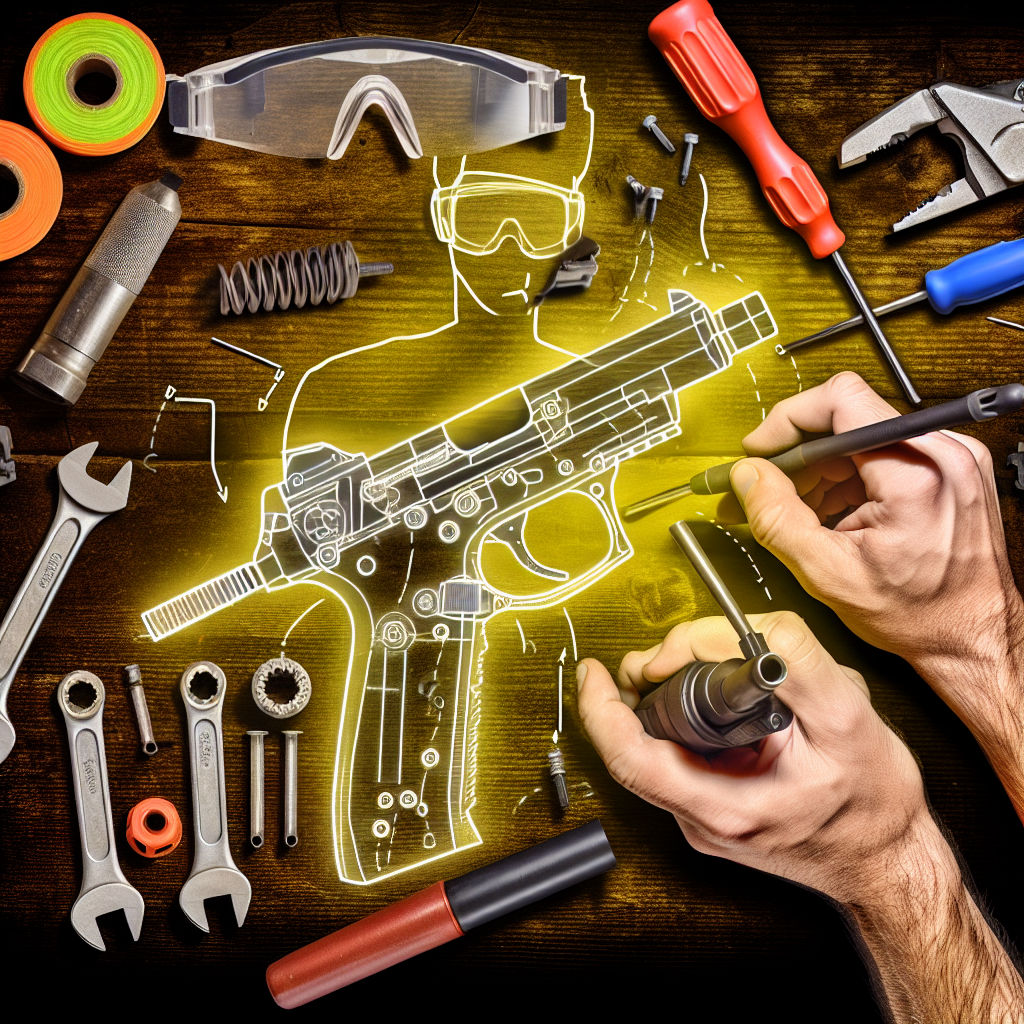
In the world of firearms, comfort and ergonomics are paramount for both safety and performance. Whether you are a seasoned shooter, a competitive marksman, or a casual firearm enthusiast, customizing your firearm’s controls can significantly enhance your shooting experience. From adjusting the grip to modifying the trigger, fine-tuning these elements ensures that your firearm feels natural in your hands and responds precisely to your input.
This article explores the importance of customizing firearm controls for comfort, examines various modifications available, and highlights practical tips supported by research and case studies. By understanding how to tailor your firearm’s controls, you can improve accuracy, reduce fatigue, and increase overall satisfaction with your shooting activities.
The Importance of Ergonomics in Firearm Handling
Ergonomics—the science of designing equipment to fit the human body—plays a crucial role in firearm handling. A well-fitted firearm control system helps shooters maintain proper form, minimizes strain, and enhances reaction times.
Research conducted by the National Institute of Justice (NIJ) shows that ergonomic improvements in weapon design can lead to a 20-30% increase in shooting accuracy under stress conditions. This improvement is largely attributed to better control placement and ease of operation.
For instance, police forces and military units globally are increasingly investing in ergonomic weapon systems that allow personnel to operate firearms efficiently during high-stress situations. The benefits extend beyond professionals; recreational shooters also enjoy increased comfort and precision when their firearms are customized to their unique hand sizes and shooting styles.
Key Firearm Controls You Can Customize
Customizing a firearm involves altering various controls to better suit individual preferences. Below is an overview of common controls that can be tailored:
- Grip: The shape, size, and texture of the grip affect how comfortably the firearm sits in your hand.
- Trigger: Trigger pull weight, travel distance, and reset can be adjusted for smoother operation.
- Sights: Adjusting or upgrading sights improves target acquisition speed and accuracy.
- Safety Selector: Modifying the safety selector’s position or lever size enhances accessibility.
- Magazine Release: Custom magazine releases enable quicker reloads with less effort.
- Charging Handle or Bolt Release: These can be tailored for easier manipulation during tactical reloads or clearing malfunctions.
The extent of customization depends on your firearm model—modern firearms often feature modular designs that facilitate easy swapping or upgrading of parts without permanent modifications.
Customizing Grips for Optimal Comfort
The grip is arguably the most important component affecting comfort since it directly interfaces with your hand. An ill-fitting grip can cause hand fatigue, reduced control, and even injury over prolonged use.
Grip Size and Shape:
A common problem among shooters is using grips that are either too large or too small. According to data from the Firearms Industry Trade Association (NSSF), about 60% of female shooters find factory grips too large for their hands, which leads to discomfort and poorer shooting performance.
Solutions include:
- Grip sleeves or wraps: These add circumference without permanent modification and improve tactile feel.
- Aftermarket grips: Available in various sizes and materials such as rubberized compounds for enhanced grip stability.
- Milled frames: Some manufacturers offer frames with interchangeable backstraps or side panels allowing custom fit adjustments on-the-fly.
Texturing:
The texture on a grip influences how securely you hold your weapon. Smooth grips may look sleek but can become slippery when hands sweat or get wet. Textured grips provide better traction but must balance aggressiveness with comfort—too rough textures may cause blisters during extended shooting sessions.
A study published in the Journal of Applied Biomechanics found that shooters using medium-textured grips showed a 15% reduction in recoil-induced hand movement compared to those with smooth grips. This improved stability translates into more accurate follow-up shots.
Tuning Your Trigger for Precision and Comfort
The trigger is one of the most critical controls impacting shooting performance. A comfortable trigger reduces finger fatigue while enabling precise shot execution. Trigger customization typically involves adjusting pull weight (the force required to fire), travel distance (how far the trigger moves before firing), and reset (how far it moves before it resets).
- Lighter Trigger Pulls: Competitive shooters often prefer lighter triggers—typically between 2-4 pounds—to minimize disturbance during firing. However, excessively light triggers can pose safety risks if not handled properly.
- Smoother Trigger Travel: Reducing pre-travel (initial movement before resistance) allows faster shot initiation without surprise jerks that could throw off aim.
- Crisp Reset: A short reset lets shooters fire follow-up shots more quickly by minimizing finger movement between shots.
A practical example comes from competitive shooting disciplines like IPSC (International Practical Shooting Confederation), where competitors often install aftermarket triggers tailored for ultra-light pull weights with short resets—sometimes under a millimeter—to shave off fractions of seconds during timed stages.
If you are considering customizing your firearm’s controls, always prioritize safety and ensure proper training to handle modifications effectively.
Ultimately, the right adjustments can enhance your shooting experience and performance.