Tips for Upgrading Your AR-15 Bolt Carrier Group
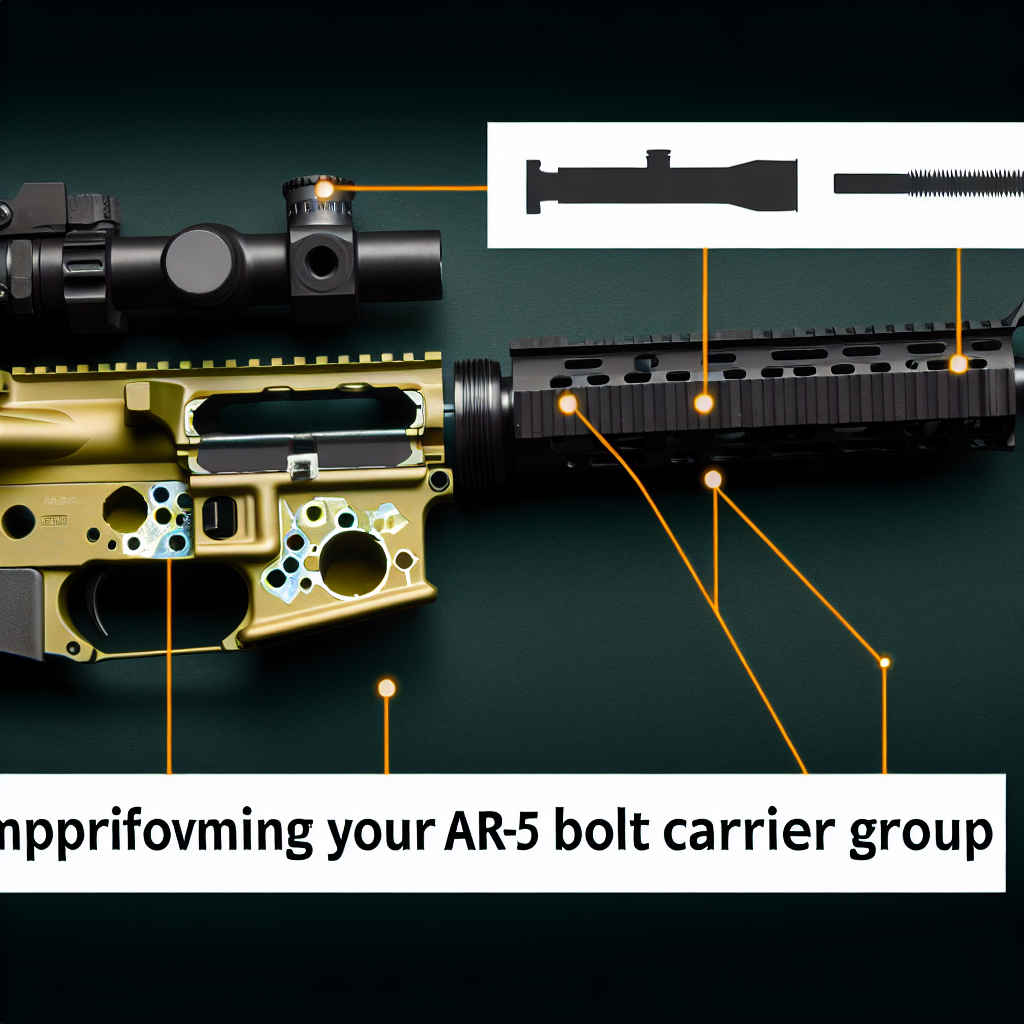
The AR-15 platform is one of the most popular and versatile rifles in the world, favored by military, law enforcement, and civilian shooters alike. One of the key components that greatly affects the reliability, performance, and longevity of your AR-15 is the Bolt Carrier Group (BCG). Upgrading your BCG can enhance your rifle’s function, reduce malfunctions, and tailor it to specific shooting needs.
This article delves deep into tips for upgrading your AR-15 Bolt Carrier Group, covering everything from material selection to specialized coatings. Whether you’re a seasoned gunsmith or a first-time upgrader, these insights will help you make informed decisions that elevate your shooting experience.
Understanding the Role of the AR-15 Bolt Carrier Group
Before diving into upgrade tips, it’s essential to understand what the Bolt Carrier Group does and why it’s so critical.
The BCG is essentially the heart of your AR-15. It performs several crucial functions:
- Chambering a round: The bolt strips a cartridge from the magazine and pushes it into the chamber.
- Locking: The bolt locks into place in the barrel extension, ensuring a secure seal for firing.
- Firing: The firing pin strikes the primer to ignite the round.
- Extraction and ejection: After firing, the spent case is extracted from the chamber and ejected out of the rifle.
- Resetting: The BCG cycles back to its starting position to load another round.
A malfunction in any part of this cycle can lead to failures such as stovepipes, failures to feed or eject, or even dangerous out-of-battery discharges. Because of this, upgrading your BCG can significantly improve your rifle’s overall reliability and performance.
Selecting the Right Material for Your Upgraded BCG
The first major decision when upgrading your AR-15 BCG is choosing the right material. Material choice influences durability, weight, corrosion resistance, and cost. Here are some common materials used:
- Mild Steel (Standard): Most standard BCGs are made from Carpenter 158 steel or similar mild steels. They offer good strength but require proper heat treatment and coatings for longevity.
- 9310 Steel: This alloy steel is often regarded as superior for bolts due to its high strength and toughness. It’s commonly used in premium BCGs because it offers better wear resistance and durability under high-stress conditions.
- Tool Steel (e.g., S7): Some aftermarket bolts use tool steels like S7 for enhanced impact resistance. While less common for entire BCGs due to weight concerns, tool steel bolts provide exceptional strength.
- Titanium: Titanium BCGs are lighter than steel counterparts but significantly more expensive. They reduce overall rifle weight but may have trade-offs in wear resistance unless properly coated.
A study by Shooting Sports USA showed that rifles with 9310 steel bolts experienced fewer failures under sustained fire compared to Carpenter 158 bolts in similar conditions. This makes 9310 steel a preferred choice for serious shooters seeking reliability during extended use.
The Importance of Coatings: Enhancing Performance and Longevity
The coating on your BCG plays a vital role in reducing friction, preventing corrosion, and easing maintenance. There are several popular coatings used on upgraded AR-15 BCGs:
- Nitride (Melonite/Cerakote variant): Nitride coating involves a salt bath nitriding process that hardens the metal surface while making it more corrosion-resistant and lubricious. Many users report easier cleaning and improved reliability with nitride-coated parts.
- Cerakote: A ceramic-based coating providing excellent corrosion protection and aesthetic customization options. While Cerakote is more about protecting than reducing friction, it’s widely chosen for its durability against harsh environmental conditions.
- Parkerizing (Phosphate Finish): A traditional finish known for corrosion resistance but requires regular oiling. Parkerized BCGs are often favored by military surplus enthusiasts due to their proven track record in harsh environments.
- Teflon/PTFE Coatings: These provide exceptional lubrication but can wear off faster under heavy use compared to nitride or Cerakote finishes.
Anecdotal evidence from competitive shooters indicates that nitride-coated BCGs often cycle smoother under rapid fire scenarios due to reduced friction between moving parts. Additionally, according to data from Armory Life tests, nitride coatings can extend component life by up to three times compared to uncoated steel when maintained properly.
Tuning Your Bolt Carrier Group: Weight Considerations & Gas System Compatibility
The weight of your BCG directly impacts recoil impulse, cyclic rate (in automatic/semi-automatic modes), and overall rifle balance. Here are some important points when considering weight upgrades:
- Lighter BCGs: Titanium or lightweight aluminum carriers reduce reciprocating mass which can result in faster cycling speeds and reduced felt recoil.
However, if paired with an overly aggressive gas system, lighter BCGs may lead to increased wear and reliability issues.
Ultimately, selecting the right BCG involves balancing weight, material, and compatibility with your rifle’s gas system for optimal performance.