Customizing Your Firearm’s Magazine Release: Enhancing Performance and Personalization
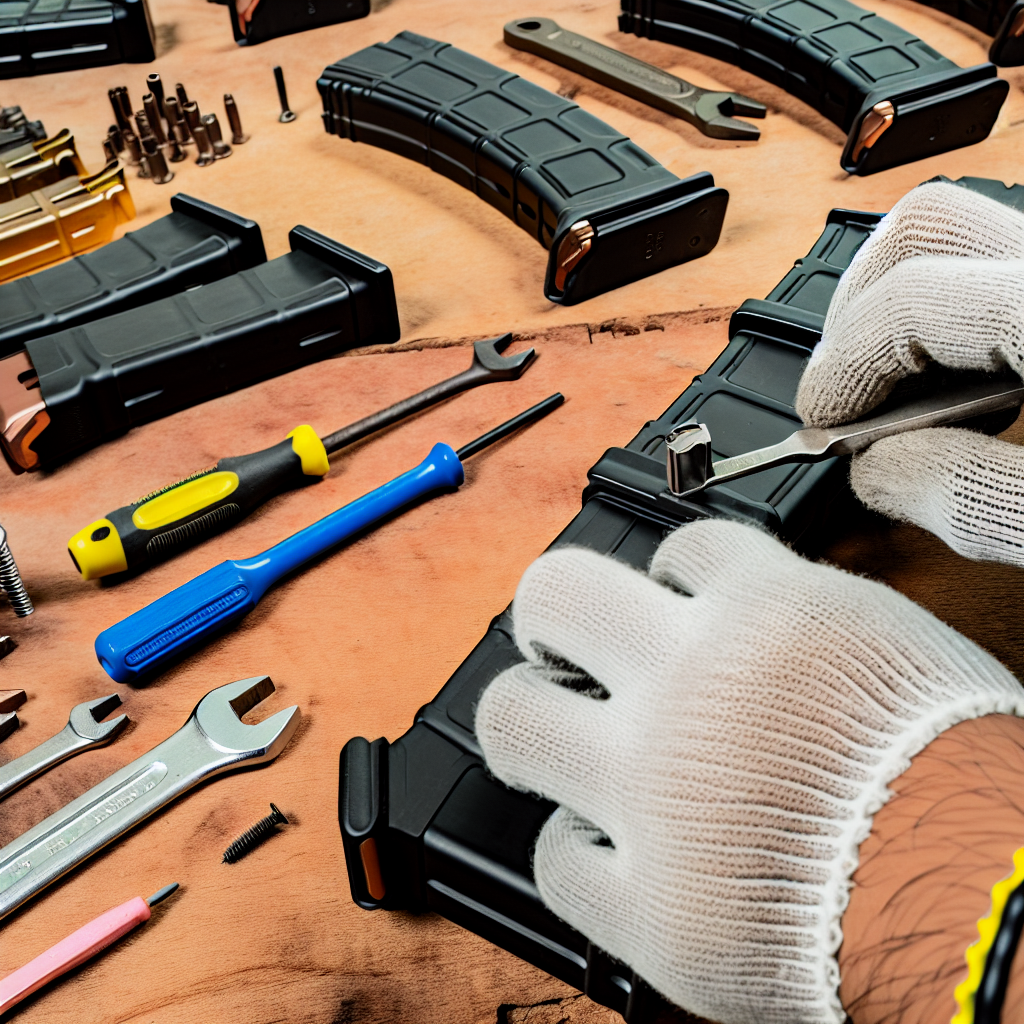
When it comes to firearm customization, enthusiasts often focus on barrels, triggers, optics, or grips. However, one critical yet sometimes overlooked component is the magazine release. Customizing your firearm’s magazine release can significantly improve reload speed, ergonomics, and overall handling—key factors for competitive shooters, law enforcement professionals, and recreational gun owners alike.
This article delves into the nuances of magazine release customization, exploring the benefits, types of modifications available, practical considerations, and real-world examples. Whether you’re a novice shooter or a seasoned competitor, understanding how to tailor your magazine release can elevate your shooting experience.
Understanding the Magazine Release: Function and Importance
The magazine release is a mechanical component that allows the shooter to quickly detach the magazine from the firearm for reloading. Despite its small size, this part plays an outsized role in firearm operation and efficiency.
Typically located near the trigger guard or grip area (depending on the firearm model), the magazine release must balance accessibility with safety to prevent accidental drops. A well-functioning and comfortable magazine release facilitates faster reloads without compromising control.
- Speed: In dynamic shooting sports like IPSC or 3-Gun competitions, rapid reloads can shave seconds off run times.
- Ergonomics: A release that fits your hand size and shooting style reduces fatigue and improves control.
- Reliability: A consistent magazine drop ensures smooth operation under stress or adverse conditions.
According to a study conducted by the National Shooting Sports Foundation (NSSF), shooters who customize their controls—including magazine releases—show a 20% improvement in reload times during timed drills compared to those using factory-standard parts.
Types of Magazine Release Customizations
The spectrum of magazine release customization ranges from simple modifications to advanced aftermarket upgrades. Understanding these options helps you choose what best suits your needs and firearm model.
Extended Magazine Releases
Extended magazine releases protrude beyond the standard button size to make activation easier and faster. These are particularly popular among competitive shooters who need quick thumb access without adjusting their grip.
- Benefits: Improved reach and tactile feedback; quicker mag changes under time pressure.
- Considerations: Potential for accidental activation if not carefully positioned; may interfere with holsters or other gear.
An example is the Apex Tactical Extended Magazine Release, widely regarded for its ambidextrous design and smooth actuation on Glock pistols. Many users report shaving half a second off reload times after installation.
Ambidextrous Magazine Releases
Shooting with either hand or training for weak-hand use makes ambidextrous controls essential. Ambidextrous magazine releases have buttons on both sides of the firearm, allowing easy access regardless of dominant hand.
- Benefits: Versatility in various shooting scenarios; enhanced training opportunities; improved comfort for left-handed shooters.
- Considerations: Slightly increased complexity; may add weight or bulk depending on design.
The Taran Tactical Innovations Ambidextrous Magazine Release, for example, is popular among USPSA competitors for its low-profile design that doesn’t snag during movement but provides quick access when needed.
Magazine Release Levers vs. Buttons
Some firearms utilize levers instead of buttons as their mag release mechanism. Customizing these can involve changing lever length or shape to enhance ergonomics.
- Lever Advantages: Larger surface area; easier to operate with gloves; tactile engagement is clearer.
- Button Advantages: Compact design; less prone to accidental activation in some setups.
A practical example is seen in AR-15 style rifles where ambidextrous lever-style magazine releases like the B5 Systems Enhanced Magazine Release Lever provide smooth operation while maintaining weapon balance and aesthetics.
Selecting the Right Magazine Release for Your Firearm
The choice of which magazine release customization suits you depends on multiple factors including your firearm type, intended use, hand dominance, and personal preferences. Below are key considerations when selecting an upgrade:
- Firearm Compatibility: Not all aftermarket parts fit every model. Verify compatibility with your specific make and model before purchase.
- Shooting Discipline: Competitive shooters prioritize speed and consistency; tactical operators may value reliability under harsh conditions more highly.
- User Ergonomics: Hand size and dexterity influence which style feels most natural—try handling demo models if possible before committing.
- Aesthetic Preferences: Some shooters desire parts that match their firearm’s finish or color scheme for a cohesive look.
- Tactical Considerations: Consider how gear such as holsters might interact with extended releases to avoid unintentional activation or snagging issues.
A survey conducted by Pew Pew Tactical revealed that over 35% of respondents had modified at least one control element on their handgun—including magazine releases—to better fit their shooting style or hand ergonomics.
Ultimately, customizing your magazine release can enhance your shooting experience, making it more enjoyable and efficient.