How to Fit a Custom Muzzle Brake: A Comprehensive Guide
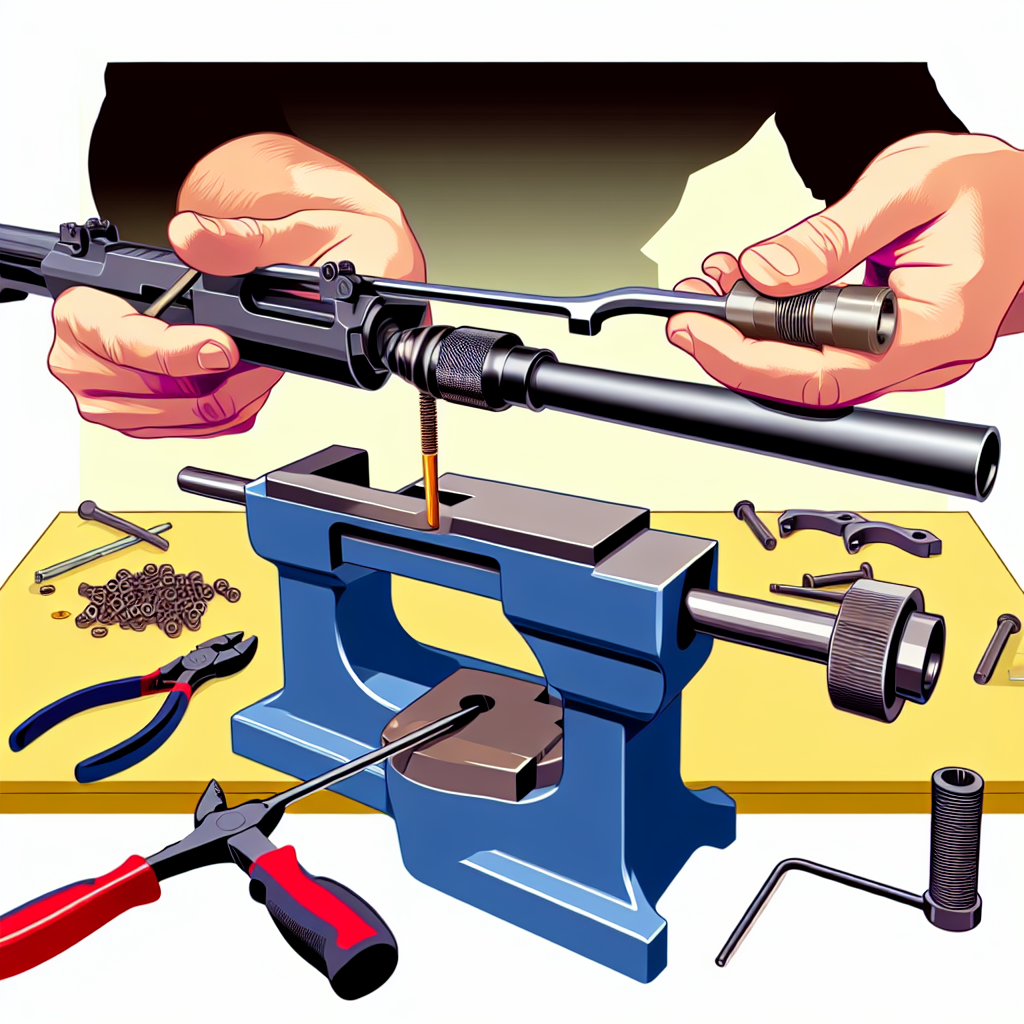
The pursuit of enhanced shooting accuracy and recoil management often leads firearm enthusiasts to explore aftermarket accessories such as muzzle brakes. Custom muzzle brakes are designed to reduce felt recoil and muzzle rise, allowing for quicker follow-up shots and improved control. However, fitting a custom muzzle brake requires precision, the right tools, and an understanding of firearm mechanics to ensure safety and optimal performance.
In this article, we will walk you through the step-by-step process of fitting a custom muzzle brake, discuss the benefits and considerations, and provide practical insights backed by real-world examples and expert advice.
Understanding Muzzle Brakes: Purpose and Benefits
Before diving into the installation process, it’s crucial to understand what a muzzle brake is and why it matters.
- What is a Muzzle Brake?
A muzzle brake is a device attached to the muzzle (the front end) of a firearm’s barrel that redirects propellant gases sideways or backwards. This redirection helps counteract recoil forces and muzzle rise when firing.
- Benefits of Fitting a Custom Muzzle Brake
-
Reduced Recoil: By venting gases strategically, muzzle brakes can reduce felt recoil by up to 50%, according to various ballistic studies.
-
Improved Accuracy: Less muzzle rise allows shooters to keep sights on target for faster follow-up shots.
-
Customization: Custom muzzle brakes can be tailored in design, size, port configuration, and finish to suit specific firearms and shooter preferences.
-
- Considerations Before Installation
-
Increased Noise: Muzzle brakes typically increase perceived noise levels by redirecting gases sideways; hearing protection is essential.
-
Muzzle Flash: Some designs may increase visible flash at night shooting conditions.
-
Compatibility: Ensuring that the custom brake matches barrel threading and caliber specifications is critical.
-
Selecting the Right Custom Muzzle Brake for Your Firearm
Selecting an appropriate muzzle brake involves more than just aesthetics. It demands consideration of firearm type, caliber, intended use, and personal shooting habits.
- Match Thread Size and Pitch
The most fundamental requirement is that the muzzle brake’s threading matches your barrel’s threading. For example, many AR-15 rifles use 1/2×28 threads, whereas larger calibers like .308 Winchester commonly use 5/8×24 threads. Using mismatched threads can lead to improper fit or dangerous malfunctions.
- Consider Caliber-Specific Designs
Muzzle brakes are often optimized for specific calibers due to differences in gas volume and pressure. For instance, a brake designed for .223 Remington may not perform well on a .30-06 Springfield rifle.
- Evaluate Port Configuration
-
Baffle-Style Brakes: Offer significant recoil reduction but may increase noise dramatically.
-
Tapered or Slotted Designs: Balance between recoil reduction and noise control.
-
Crowned vs. Extended Brakes: Some designs extend beyond the barrel crown for added protection or aesthetic appeal but may affect handling.
-
- User Reviews & Expert Opinions
Shooting forums such as AR15.com or The High Road offer valuable user feedback on different models. Additionally, professional reviews by outlets like Precision Rifle Blog provide performance benchmarks under controlled conditions.
- Pilot Testing & Case Studies
A notable case study from the U.S. Army’s research on rifle accessories found that certain custom muzzle brakes reduced felt recoil by up to 40% while improving shot-to-shot recovery times by approximately 30%. This illustrates the tangible benefits of carefully chosen custom brakes in tactical settings.
The Tools and Materials Required for Installation
A successful installation hinges on having the right tools at hand.
If you intend to re-crown your barrel after removal of an old device or want a perfect fit, ensure you have the necessary tools and materials ready.
With the right approach and equipment, fitting a custom muzzle brake can significantly enhance your shooting experience.