Collecting Firearms from the Korean War: A Comprehensive Guide
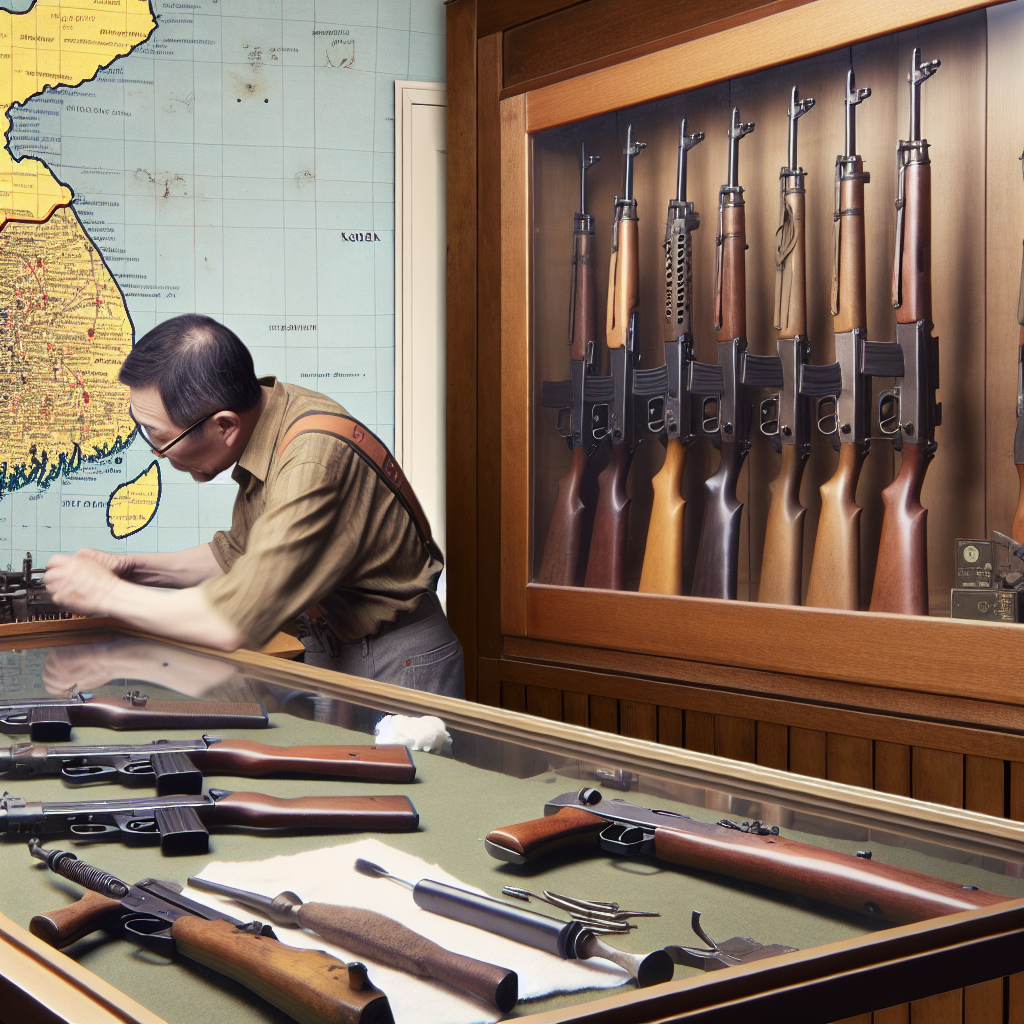
The Korean War (1950-1953) remains one of the most pivotal conflicts of the 20th century, often dubbed “The Forgotten War” despite its profound impact on global geopolitics. For firearms collectors and military historians alike, weapons from this era offer a tangible link to a critical moment in history. Collecting firearms from the Korean War is not just about possession; it’s about preserving history, understanding technological advancements, and appreciating the stories behind each piece.
This article delves into the world of Korean War firearms collecting, exploring the types of weapons used, their historical significance, tips for collectors, and notable examples that highlight this unique period in military arms development.
The Historical Context of Korean War Firearms
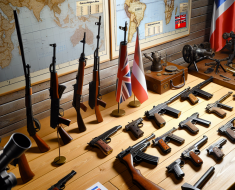
Understanding the firearms used during the Korean War requires familiarity with the conflict’s geopolitical and military backdrop. The war was fought between North Korea (supported by China and the Soviet Union) and South Korea (supported primarily by United Nations forces led by the United States). This alliance structure heavily influenced the types of firearms deployed on both sides.
Unlike World War II, which saw relatively standardized weaponry among Western Allies, the Korean War featured a mix of WWII-era firearms alongside emerging Cold War technology. Both conventional weapons and experimental designs were fielded as nations adapted to new combat environments like mountainous terrain and cold weather conditions.
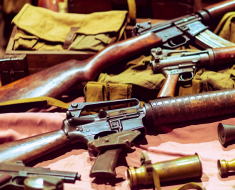
- United Nations Forces: Primarily equipped with American firearms such as the M1 Garand, M1 Carbine, Browning Automatic Rifle (BAR), and early versions of the M2 Carbine.
- North Korean & Chinese Forces: Utilized a combination of Soviet-supplied weapons such as the PPSh-41 submachine gun, Mosin-Nagant rifles, SKS carbines, and later variants of AK-pattern rifles introduced during or after the war.
This mixture presents a rich diversity for collectors interested in tracing how different nations influenced firearm technology during this transitional period.
Key Firearms from the Korean War Era
The Korean War saw numerous iconic firearms either continue their legacy from World War II or debut on battlefields that would influence their future development. Below are some essential firearms sought after by collectors today:
M1 Garand
The M1 Garand was standard issue for American infantry during WWII and remained prevalent throughout Korea. Known for its semi-automatic operation and robust design, it was revolutionary for its time.
- Collector’s Insight: Original M1 Garands with matching serial numbers and wartime stamps are highly prized. Variants like those marked “SA” for Springfield Armory or “IHC” for International Harvester add provenance value.
- Example: A well-preserved M1 Garand with an intact “Korean War” cartouche on its stock can fetch upwards of $2,000-$3,500 depending on condition.
Browning Automatic Rifle (BAR) M1918A2
The BAR was a staple squad automatic weapon during both WWII and Korea. It provided suppressive fire but was gradually phased out in favor of lighter machine guns post-Korea.
- Collector’s Insight: BARs with documented service in Korea are rare finds due to heavy use and attrition. Collectors seek models with matching parts and original finishes.
- Statistics: Approximately 70% of BARs issued during Korea were refurbished WWII models rather than newly manufactured units.
M1 Carbine & M2 Carbine
The lightweight M1 Carbine was favored by officers and support troops for its compact size and ease of handling. The select-fire M2 variant introduced during Korea added versatility in close quarters combat.
- Collector’s Insight: Early M2 Carbines marked with “Korean Conflict” proof marks are particularly desirable due to their limited production span during this era.
- Example: A Winchester-produced M2 Carbine from 1951 with original sling can be valued at $1,200-$2,000 depending on condition.
Soviet & Chinese Weapons: PPSh-41 & Mosin-Nagant
The North Koreans and Chinese forces brought Soviet weapons to bear in large numbers. The PPSh-41 submachine gun was notorious for its high rate of fire and drum magazine capacity. Meanwhile, Mosin-Nagant bolt-action rifles provided reliable long-range firepower despite being older designs.
- Collector’s Insight: Authentic PPSh-41s stamped with Chinese arsenals or captured North Korean markings are highly collectible due to their historical significance.
- Statistics: Over 600,000 PPSh-41s were reportedly supplied to communist forces during the conflict, making them somewhat common but still valuable when verified as Korean War-era pieces.
Navigating Legalities and Authenticity in Firearms Collecting
The process of collecting firearms from any conflict zone involves navigating complex legal frameworks to ensure compliance with national laws. This is especially true for Korean War firearms given their age, origin, and potential import restrictions.
Legal considerations are crucial when acquiring these historical firearms, as regulations can vary significantly by country and state.
Understanding these laws ensures that collectors can enjoy their passion while remaining compliant and preserving history responsibly.