How to Avoid Common Mistakes in Firearm Collecting
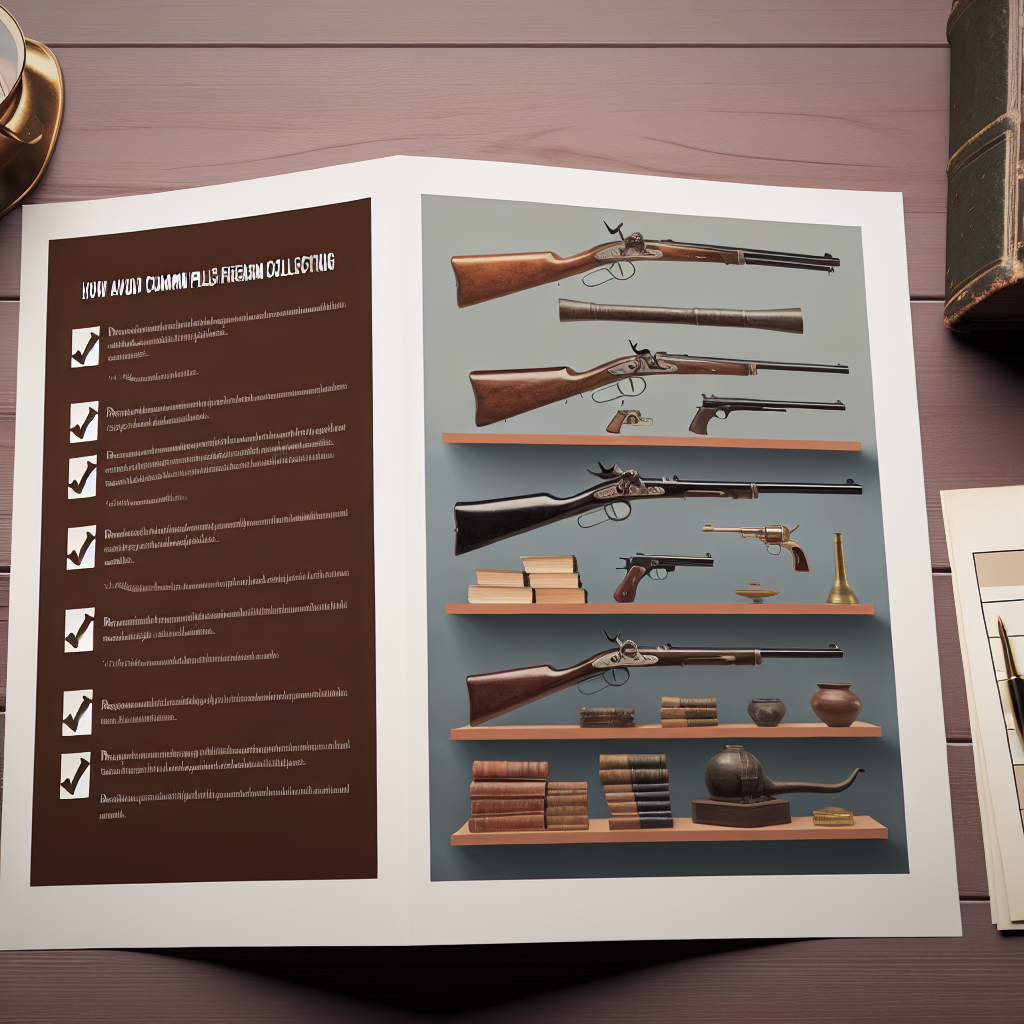
Collecting firearms is a fascinating hobby that combines history, craftsmanship, and sometimes even investment potential. However, like any specialized pursuit, firearm collecting comes with its own set of challenges and pitfalls. Whether you’re a novice or an experienced collector, avoiding common mistakes can save you money, preserve the integrity of your collection, and enhance your overall experience.
In this article, we’ll explore key strategies to help you avoid these pitfalls. We’ll cover topics such as understanding legal requirements, verifying authenticity, maintaining proper storage, and more. By the end, you’ll have actionable insights to build a responsible and rewarding firearm collection.
Understanding Legal Requirements and Compliance
One of the most critical aspects of firearm collecting is ensuring you are fully compliant with all applicable laws. Firearm regulations vary widely between countries, states, and even local jurisdictions. Failure to understand or adhere to these laws can result in severe legal consequences.
Many collectors underestimate the complexity of firearm laws or assume that their hobby is exempt from regulation. This misconception can lead to inadvertent violations such as owning prohibited firearms, failing to register certain guns, or not following transport rules.
- Research Your Local Laws: Always start by thoroughly researching federal, state, and local firearm regulations. For example, in the United States, the National Firearms Act (NFA) regulates certain types of weapons like short-barreled rifles and silencers.
- Understand Licensing Requirements: Some jurisdictions require collectors to obtain specific licenses or permits before purchasing or possessing certain firearms.
- Stay Updated: Laws can change frequently. Subscribing to newsletters from firearm advocacy groups such as the National Rifle Association (NRA) or consulting with legal experts ensures you stay informed about any changes.
A case study highlighting this importance involves a collector in California who unknowingly purchased an assault weapon banned under state law. The gun was later confiscated during a home inspection, resulting in hefty fines and the loss of the firearm. This example underscores why knowledge and compliance are indispensable.
Authenticity Verification: Avoiding Counterfeits and Misrepresentations
The value and appeal of firearm collecting often hinge on authenticity—whether it’s a rare WWII rifle or a limited-edition revolver. Unfortunately, counterfeit firearms and fraudulent provenance claims are not uncommon in the market.
Collectors must exercise vigilance when purchasing firearms from private sellers, gun shows, or online marketplaces where verification processes might be less stringent than licensed dealers offer.
- Buy From Reputable Dealers: Established dealers often provide guarantees of authenticity and have vetted sources for their inventory.
- Use Expert Appraisals: Consulting with a certified firearms appraiser or historian can help verify markings, serial numbers, and manufacturing details.
- Request Provenance Documentation: Historical documents such as previous ownership records or military service papers add credibility to collectible firearms.
- Learn Key Identification Features: Understanding manufacturer stamps, production years, and model variations aids collectors in spotting fakes.
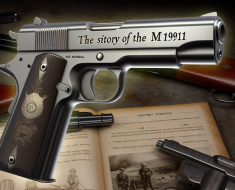
An illustrative example comes from a collector who purchased what was advertised as an original 1911 pistol used during World War I. After expert evaluation revealed mismatched parts replaced during post-war refurbishments without disclosure, the value dropped significantly. This scenario highlights why thorough authentication is crucial before committing significant funds.
Proper Storage and Maintenance: Preserving Your Collection’s Value
The physical condition of firearms directly impacts their value and longevity. Improper storage can lead to rusting, mechanical failures, or damage to finishes—common problems that diminish both aesthetic appeal and functionality.
- Control Environmental Conditions: Firearms should be stored in climate-controlled environments with low humidity to prevent corrosion. Using dehumidifiers inside gun safes is a common practice among serious collectors.
- Avoid Direct Contact With Harmful Materials: Acidic materials like cardboard or some wood finishes may damage metal surfaces over time. Use protective sleeves or cloth linings designed for firearm storage.
- Regular Cleaning Routine: Even if firearms are not used frequently, periodic cleaning helps prevent buildup of dust and oils that promote rust.
- Safe Handling Practices: Wearing gloves when handling valuable pieces prevents skin oils from degrading finishes.
A survey conducted by GunBroker.com found that nearly 40% of collectors reported some form of damage due to improper storage practices at least once during their collecting careers. This statistic illustrates how widespread neglecting maintenance can be—and how detrimental it is for preserving value.
Avoid Overpaying: Research Market Values Thoroughly
The allure of rare firearms can sometimes cloud judgment when it comes to pricing. Overpaying for guns that appear valuable but lack true rarity or historical significance is a common mistake among inexperienced collectors.
- Consult Price Guides: Resources like the Blue Book of Gun Values provide up-to-date market prices based on condition and rarity.
- Compare Multiple Listings: Look at auction results from reputable houses such as Rock Island Auction Company or James D. Julia to gauge realistic prices paid for similar items recently.
- Avoid Impulse Purchases: Take time to evaluate offers carefully
Avoid Impulse Purchases: Take time to evaluate offers carefully and ensure they align with your research and budget.
By following these guidelines, you can enhance your collecting experience and preserve the value of your firearms.