The History of the Desert Eagle Pistol
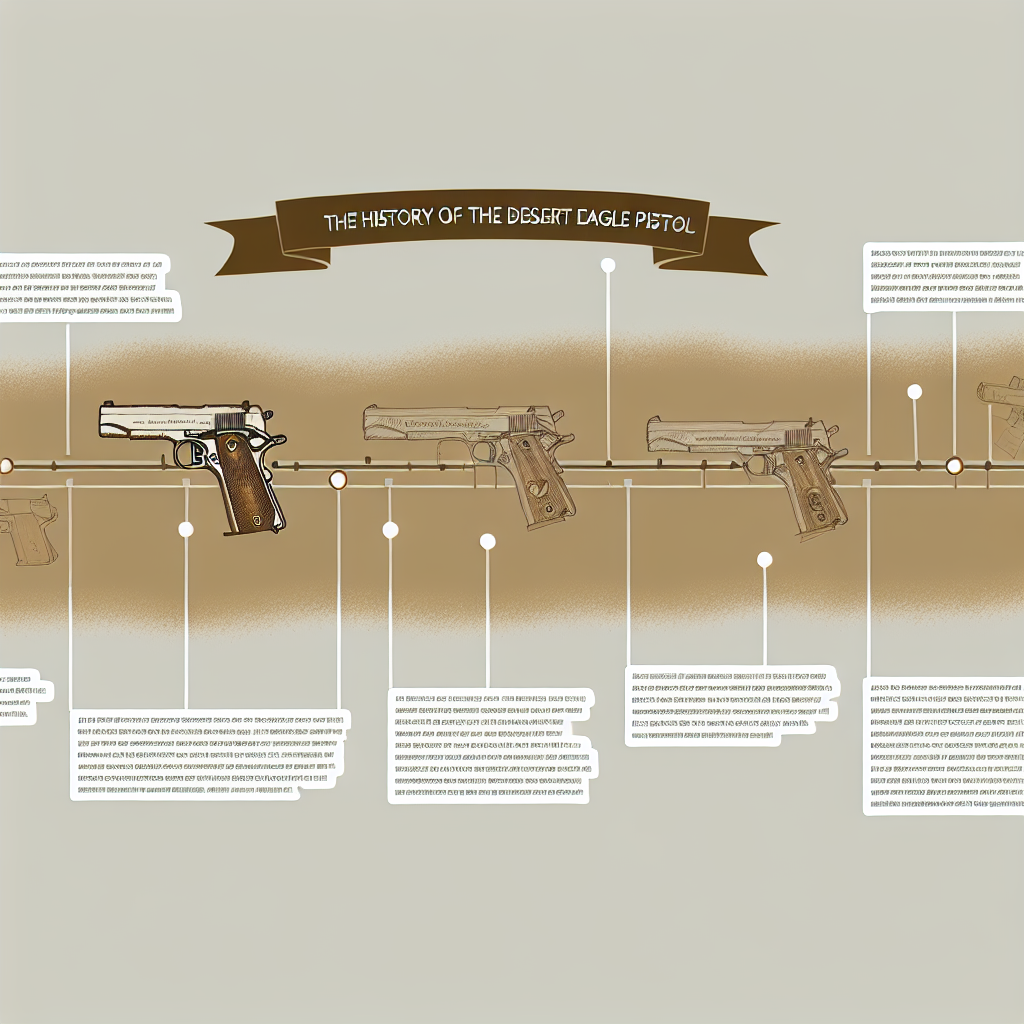
The Desert Eagle pistol is one of the most iconic firearms in the world, renowned for its distinctive design, powerful caliber options, and commanding presence in both popular culture and practical shooting circles. Often recognized by its massive frame and unique gas-operated mechanism, the Desert Eagle stands apart from typical semi-automatic pistols. This article delves into the rich history of the Desert Eagle, exploring its development, technological innovations, cultural impact, and enduring legacy.
Origins and Development: From Concept to Reality
The story of the Desert Eagle begins in the late 1970s when Magnum Research Inc., an American firearms company founded by Jim Skildum, sought to create a semi-automatic pistol chambered for powerful magnum cartridges. The goal was to fill a niche market for handguns that could deliver rifle-like power in a handgun platform.
Magnum Research initially envisioned a handgun capable of firing the .357 Magnum cartridge but quickly realized that a more powerful round was necessary to appeal to enthusiasts interested in high stopping power. This led to the pursuit of designing a pistol that could handle cartridges such as the .44 Magnum and eventually even larger rounds like the .50 Action Express (AE).
To realize this vision, Magnum Research partnered with Israel Military Industries (IMI), now known as Israel Weapon Industries (IWI). IMI had extensive experience with gas-operated firearms and brought invaluable expertise to the project. The collaboration began in earnest in 1982, with IMI responsible for refining and manufacturing the pistol.
- Early Prototypes: Initial designs focused on adapting a gas-operated mechanism similar to rifles rather than traditional recoil-operated handgun designs.
- Gas-Operated Mechanism: This system uses propellant gases from firing to cycle the action, allowing for smoother handling of high-pressure cartridges.
- Unique Design: The large size and distinctive angular barrel housing made it instantly recognizable.
The first commercial model was introduced in 1983, marking a significant milestone as one of the few semi-automatic pistols chambered for magnum rounds at that time.
Technical Innovations: What Makes the Desert Eagle Unique?
The Desert Eagle’s technical features distinguish it from nearly every other semi-automatic pistol on the market. The most notable innovation is its gas-operated rotating bolt system—an unusual choice for handguns but common in rifles like the M16 or AR-15 series.
This mechanism allows the Desert Eagle to handle extremely powerful cartridges without excessive recoil or mechanical stress. Traditional recoil-operated pistols often struggle with magnum calibers due to their violent slide movement and stress on components.
- Gas-Operated Rotating Bolt: Utilizes gas pressure tapped from the barrel to unlock and cycle the action smoothly.
- Interchangeable Barrels and Calibers: Users can switch barrels and magazines to fire different calibers such as .357 Magnum, .44 Magnum, and .50 AE.
- Heavyweight Frame: Constructed primarily from stainless steel or titanium in later models to handle extreme pressures while reducing weight.
- Rotating Bolt Locking System: Ensures secure locking during firing for safety and reliability under high pressure.
This combination of features provides unmatched power in a semi-automatic handgun platform while maintaining reliability—a key reason why it gained popularity among hunters, sport shooters, and collectors alike.
Cultural Impact: From Hollywood Blockbusters to Video Games
The Desert Eagle transcended its role as a mere firearm by becoming a cultural icon featured prominently across multiple entertainment media. Its imposing size, futuristic look, and reputation for immense stopping power made it an ideal choice for filmmakers seeking memorable weapons for their characters.
The pistol’s appearances include:
- Hollywood Films: The Desert Eagle has been featured in blockbuster movies such as “The Matrix” trilogy (famously wielded by Trinity), “Snatch,” “Pirates of the Caribbean,” “The Boondock Saints,” and many action films throughout the 1990s and early 2000s.
- Video Games: Popular titles like “Counter-Strike,” “Call of Duty,” “Grand Theft Auto,” and “Resident Evil” include versions of the Desert Eagle as powerful sidearms favored by players seeking high damage output.
- Television Shows & Comics: Its striking design has led to appearances in TV crime dramas and graphic novels where characters wield oversized weaponry.
This widespread exposure cemented its status not only as a firearm but also as a symbol of raw power, precision engineering, and futuristic weaponry aesthetics. Collectors often seek out limited-edition models released alongside these media events due to their heightened desirability.
The Evolution of Models: From Mark I to Mark XIX
The Desert Eagle has undergone several iterations since its initial release. Each generation brought improvements based on user feedback, advances in manufacturing technology, and evolving market demands.
- Mark I (1983): The original model introduced with .357 Magnum chambering. Featured basic stainless steel construction with adjustable sights but limited caliber options initially.
- Mark VII (1988): Introduced enhanced ergonomics
and a wider range of calibers, including .44 Magnum, making it more versatile for various shooting applications.
Overall, the Desert Eagle’s legacy continues to thrive among enthusiasts and collectors alike.