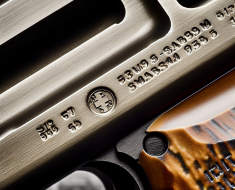
The History of the Winchester Model 1873
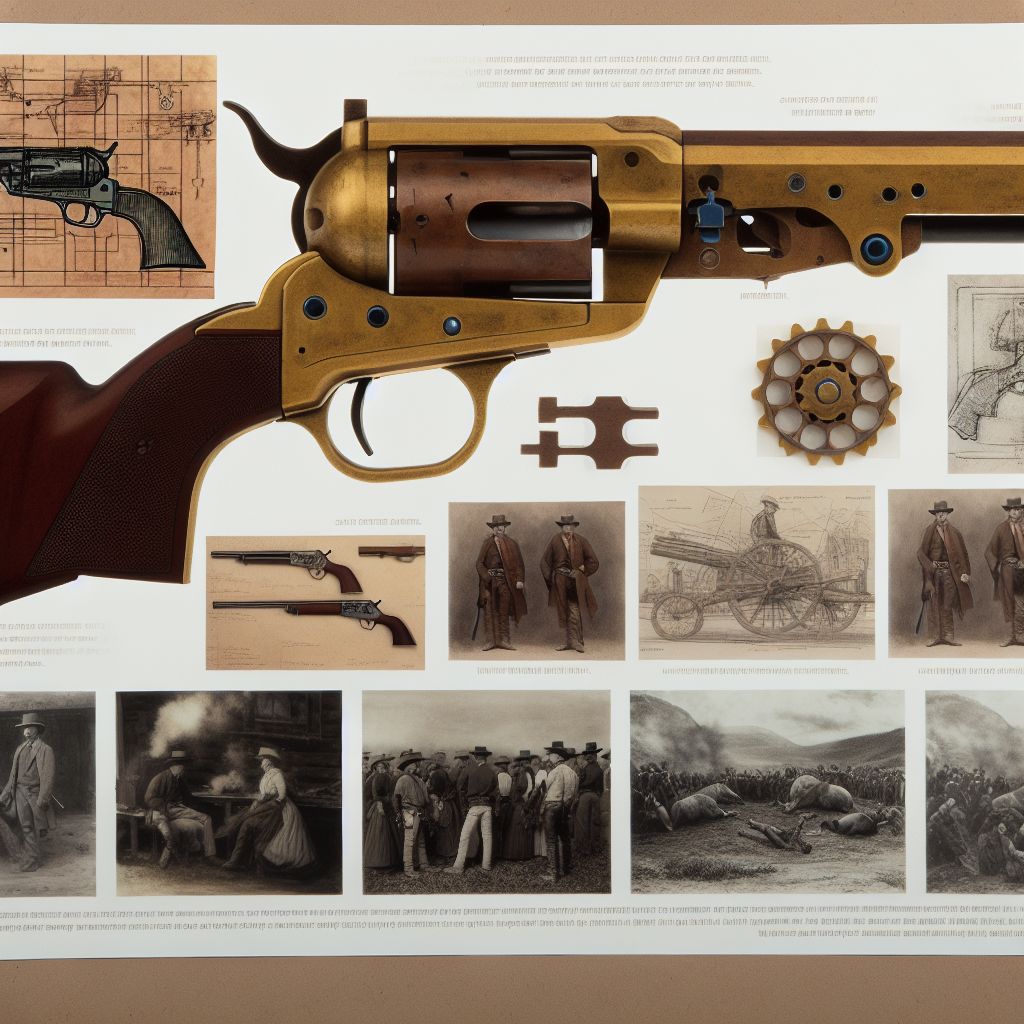
The Winchester Model 1873, often hailed as “The Gun that Won the West,” holds an iconic place in American history. Renowned for its reliability, craftsmanship, and innovative design, this lever-action rifle became a symbol of frontier expansion and the rugged spirit of the American West. This article explores the fascinating history of the Winchester Model 1873, its development, impact, and enduring legacy.
Origins and Development of the Winchester Model 1873
The origins of the Winchester Model 1873 trace back to the post-Civil War era when firearms technology was rapidly evolving. The Winchester Repeating Arms Company, founded by Oliver Winchester in 1866, sought to build upon earlier successes like the Model 1866 lever-action rifle. However, there was a growing demand for a more robust and versatile firearm suitable for civilian use and frontier conditions.
By 1873, the company introduced what would become one of its most famous designs: the Winchester Model 1873. Designed by Benjamin Tyler Henry and later improved by John Moses Browning—one of history’s most influential firearms designers—the Model 1873 featured several important innovations:
- Lever-action mechanism: Allowed rapid firing and reloading without removing hands from the weapon.
- Strong steel frame: Enhanced durability over previous models with brass frames.
- Chambered in .44-40 caliber: One of the first rifles to use a cartridge that was also available in revolvers, allowing users to carry one type of ammunition for both weapons.
This combination made it practical for hunters, lawmen, settlers, and soldiers alike.
The Role of the Winchester Model 1873 in American Expansion
The late 19th century was a period marked by rapid westward expansion in the United States. As settlers moved into new territories, they faced numerous challenges including hostile environments, conflicts with Native American tribes, and lawlessness. The Winchester Model 1873 quickly became a trusted companion during these times.
Its reputation as “The Gun that Won the West” stemmed not just from marketing but from genuine utility on multiple fronts:
- Law enforcement: Frontier sheriffs and marshals favored it for its reliability and quick firing capabilities.
- Hunting: Its accuracy and stopping power made it effective for hunting game animals essential for survival.
- Self-defense: Settlers relied on it to protect homesteads from threats.
The rifle’s popularity also surged because of its compatibility with .44-40 ammunition shared by many revolvers such as Colt Single Action Army pistols. This logistical convenience simplified carrying supplies during long journeys or conflicts.
Technical Features and Innovations
The technical excellence of the Winchester Model 1873 was a significant factor in its widespread adoption. Some features that set it apart include:
- Loading Gate: A side-loading gate allowed cartridges to be loaded individually without opening the action, enabling faster reloads under pressure.
- Tubular Magazine: Positioned beneath the barrel, this magazine held up to 15 rounds depending on caliber — far exceeding many contemporaries’ capacities.
- Sights: Equipped with adjustable rear sights and a front blade sight providing excellent aiming capability at varied distances.
The rifle’s robust steel receiver replaced older brass frames used in earlier models like the Model 1866 which were prone to wear or damage. This change improved longevity significantly under harsh conditions typical on the frontier.
Production Statistics and Variants
The production run for the original Winchester Model 1873 lasted from its introduction in late 1873 until approximately 1919. Over this period, an estimated 720,000 units were manufactured—a remarkable number reflecting its popularity. These rifles were exported globally but remained most associated with American culture.
The Model 1873 underwent several modifications throughout its production life:
- M1892 Variant: Designed for higher-pressure cartridges like .44 Magnum but retained much of the original design philosophy.
- M1894 Variant: Introduced stronger steel frames allowing even more powerful cartridges such as .30-30 Winchester; often seen as a successor rather than a direct variant but built on lessons learned from the ’73 model.
A variety of barrel lengths (ranging from carbines around 20 inches to longer rifle barrels over 24 inches), stock styles (plain walnut to fancy checkered), and finishes allowed customers customization options depending on their needs or preferences.
Cultural Impact: From Western Films to Collectors’ Shelves
No discussion about the Winchester Model 1873 is complete without acknowledging its cultural imprint. This rifle became emblematic not only because it was widely used but because it came to symbolize an era immortalized through media:
- Western Movies & TV Shows: The “Gun that Won the West” appeared prominently in countless western films starting as early as silent films through modern productions like “Unforgiven” (1992) and “Deadwood” (2004-2007).
- Literature & Folklore:
Literature & Folklore: The Winchester Model 1873 has also been featured in numerous books and stories, further cementing its status as a legendary firearm. Its legacy continues to influence both collectors and enthusiasts today.