How to Use Tactical Boots for Rugged Terrain
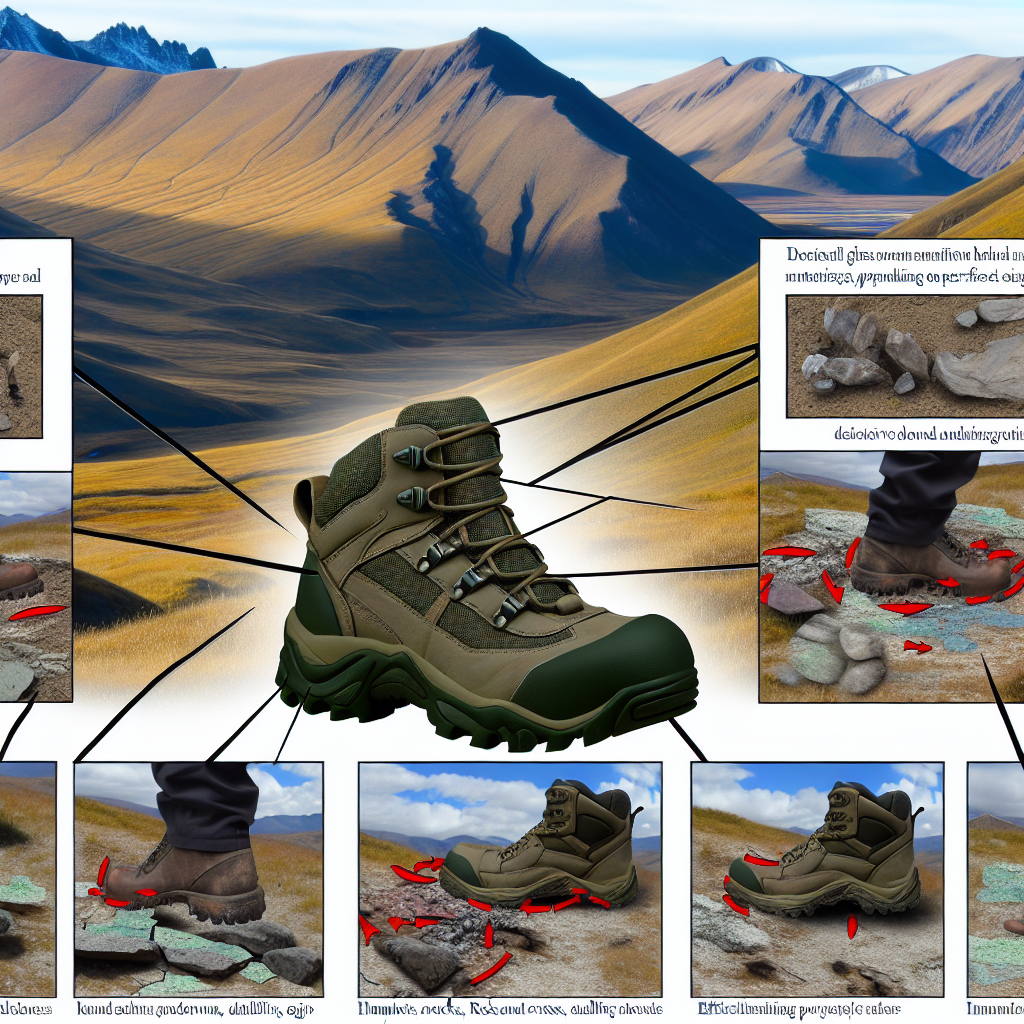
Tactical boots have long been a staple for military personnel, law enforcement officers, and outdoor enthusiasts due to their durability, support, and versatility. When navigating rugged terrain—whether on a hiking trail, during a tactical mission, or working in harsh environments—the right tactical boots can significantly enhance performance and safety. This article explores how to effectively use tactical boots for rugged terrain, highlighting key features, proper maintenance, and practical tips to maximize their potential.
Understanding the Importance of Tactical Boots in Rugged Terrain
Rugged terrain presents numerous challenges including uneven surfaces, sharp rocks, mud, water crossings, and steep inclines. Wearing inappropriate footwear can lead to discomfort, injuries such as sprains or blisters, and reduced mobility. Tactical boots are specifically designed to address these challenges with a combination of features that provide protection, support, and traction.
According to a 2021 study by the Journal of Outdoor Recreation Safety & Health, appropriate footwear reduces lower limb injuries by up to 40% in rugged environments. This statistic underscores the critical role that tactical boots play beyond mere comfort—they are essential gear for injury prevention and endurance.
Key Features of Tactical Boots Suitable for Rugged Terrain
Before delving into usage tips, it is vital to understand what makes tactical boots suitable for rough landscapes. Here are some defining characteristics:
- Durable Construction: Tactical boots typically use full-grain leather combined with nylon or other synthetic materials for strength without sacrificing breathability.
- Water Resistance: Many models incorporate waterproof membranes like Gore-Tex or hydrophobic treatments to keep feet dry during wet conditions.
- Ankle Support: High-cut designs protect ankles from twists and provide stability on uneven ground.
- Aggressive Outsoles: Deep lugs made from rubber compounds offer superior grip on slippery or loose surfaces.
- Cushioning and Shock Absorption: EVA midsoles or gel inserts help reduce fatigue by absorbing impact from hard landings.
- Breathability: Mesh panels or moisture-wicking linings prevent overheating and reduce sweat buildup inside the boot.
An example is the popular Bates GX-8 tactical boot, which combines a durable leather upper with nylon panels and Vibram outsoles for excellent traction. These design elements exemplify what users should look for when selecting boots for rugged terrain use.
Choosing the Right Tactical Boots for Your Terrain
Selecting the right pair depends heavily on the specific environment you expect to encounter. Different terrains demand slightly different features:
- Rocky Terrain: Opt for boots with reinforced toe caps and stiff midsoles that prevent foot fatigue when walking over jagged rocks. Vibram soles are particularly effective here.
- Muddy or Wet Conditions: Waterproof boots with aggressive tread patterns help maintain traction while keeping feet dry. Look for sealed seams and waterproof membranes.
- Sandy or Desert Terrain: Lightweight boots with breathable mesh panels are preferable to avoid overheating while still offering protection from debris.
- Forested Areas: Boots with good ankle support and puncture-resistant soles can protect against roots, thorns, and uneven ground.
A case study involving U.S. Army Rangers deployed in Afghanistan found that boots optimized for desert environments significantly reduced foot injuries compared to standard issue combat boots. This highlights how critical matching boot design to terrain is for operational effectiveness.
Proper Techniques for Using Tactical Boots on Rugged Terrain
Tactical boots alone do not guarantee success; knowing how to utilize them effectively is equally important. Here are several essential techniques:
Lacing Strategies
The way you lace your boots can influence comfort and support. For example:
- The Heel Lock (or Runner’s Tie): Prevents heel slippage inside the boot, reducing blisters during descents.
- Ankle Support Lacing: Wrap laces around hooks at the ankle area tightly to enhance stability on uneven surfaces.
Pacing and Step Placement
Tactical boots provide traction but users should still practice mindful pacing on difficult terrain:
-
<li<Place your feet deliberately on stable surfaces rather than rushing over loose rocks or slippery slopes.
- Smoothly roll your foot from heel to toe with each step to distribute pressure evenly within the boot.
Avoiding Common Mistakes
- Avoid wetting your feet before wearing waterproof tactical boots; this can trap moisture inside causing discomfort.
- Do not overtighten laces as this may restrict circulation leading to numbness in prolonged wear.
Caring for Your Tactical Boots After Use in Rugged Conditions
Tactical boots endure significant stress in rough environments; proper maintenance extends their lifespan and performance quality. Follow these care tips after each use:
- Cleaning: Remove dirt using a soft brush or cloth. For mud caked deeply in treads, rinse with lukewarm water but avoid soaking leather parts excessively.
<